Background of Spring Shows
Learn about the history and production of Southern California Ballet’s three spring shows: Coppélia, Cinderella, and Alice in Wonderland.
SCB’s spring ballet repertoire consists of three full-length story ballets: Coppélia, Cinderella, and Alice in Wonderland.
They are presented annually, in either March or April, at the Poway Center for the Performing Arts.
Coppélia
A comedy ballet in three acts
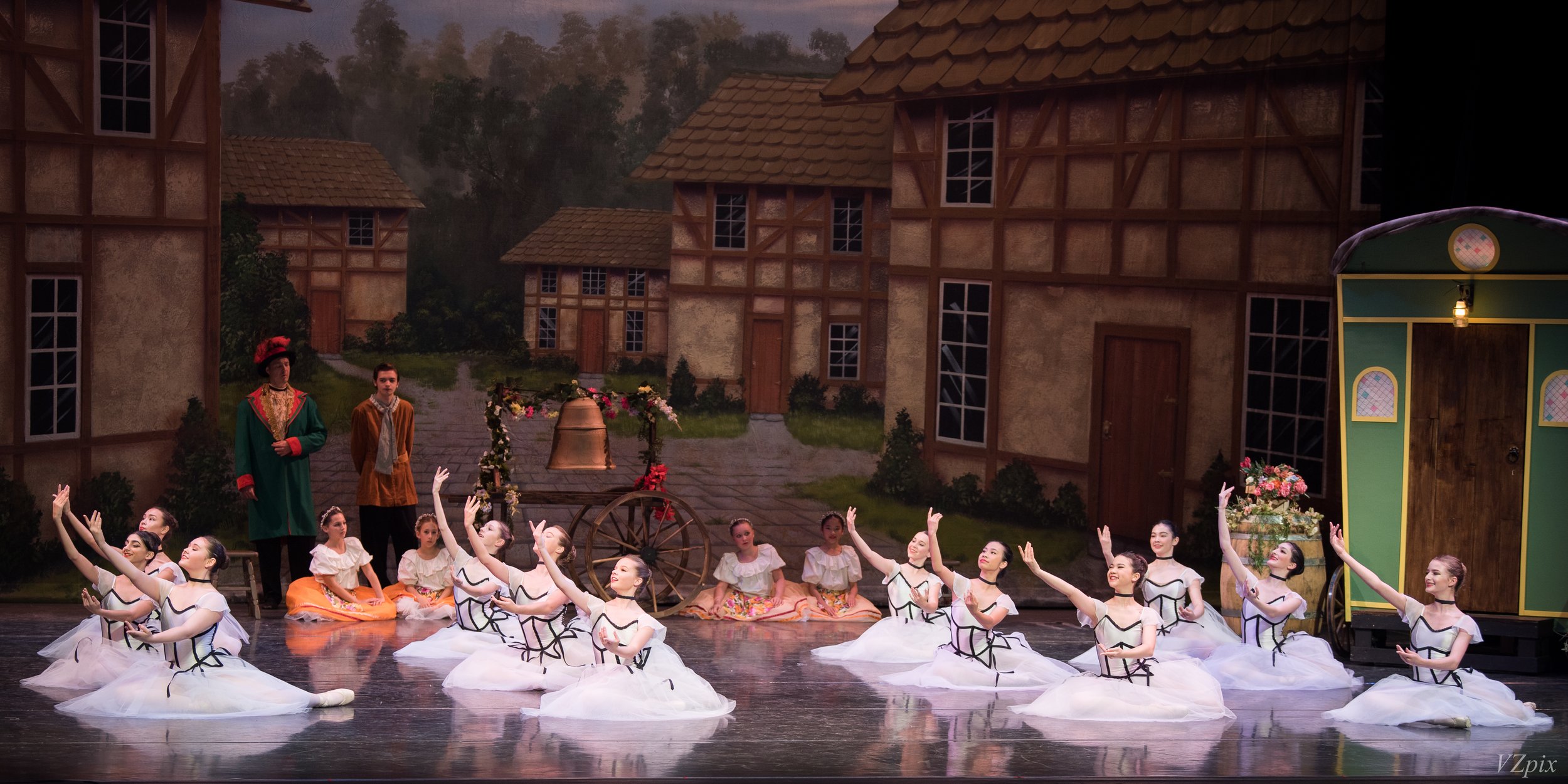
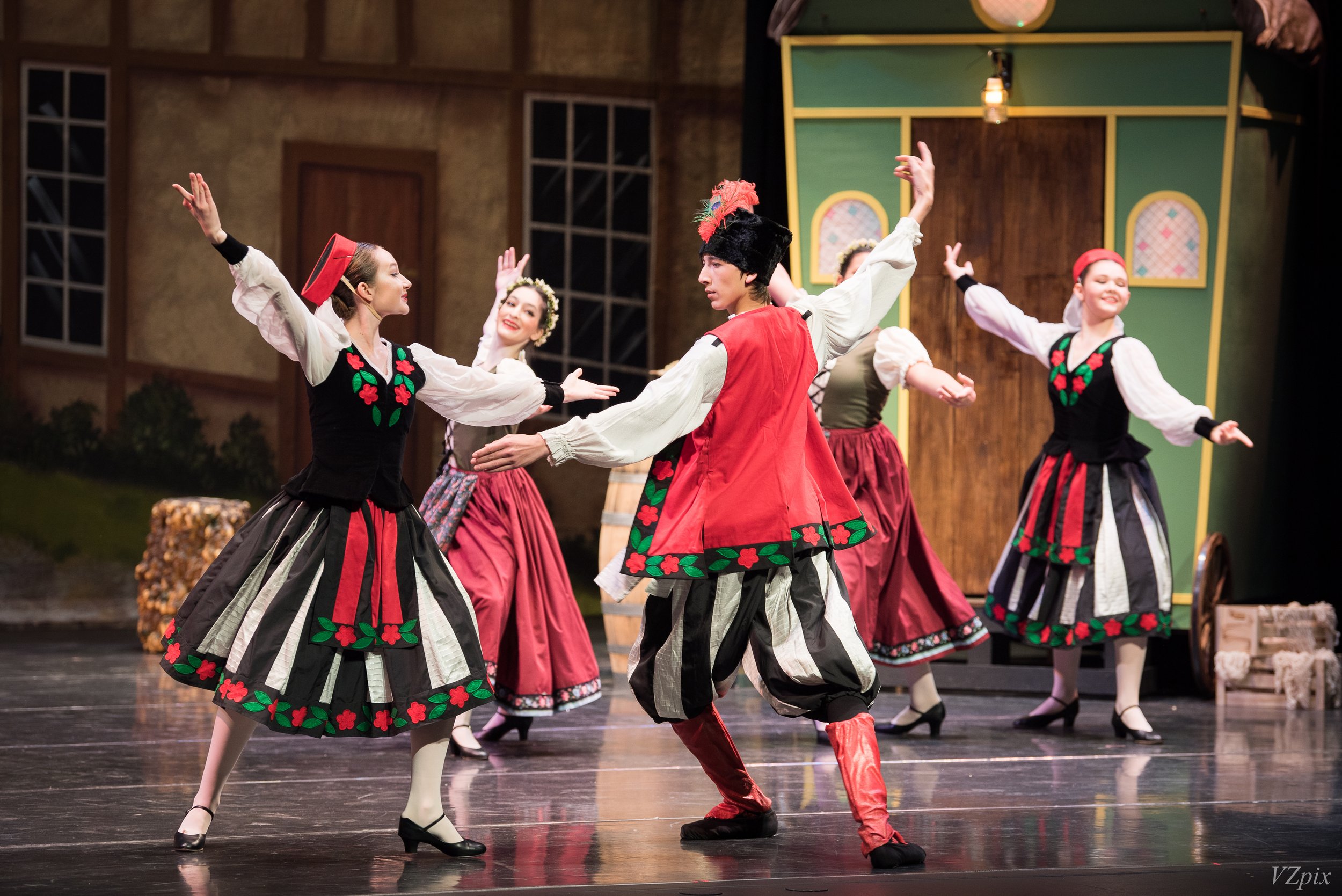
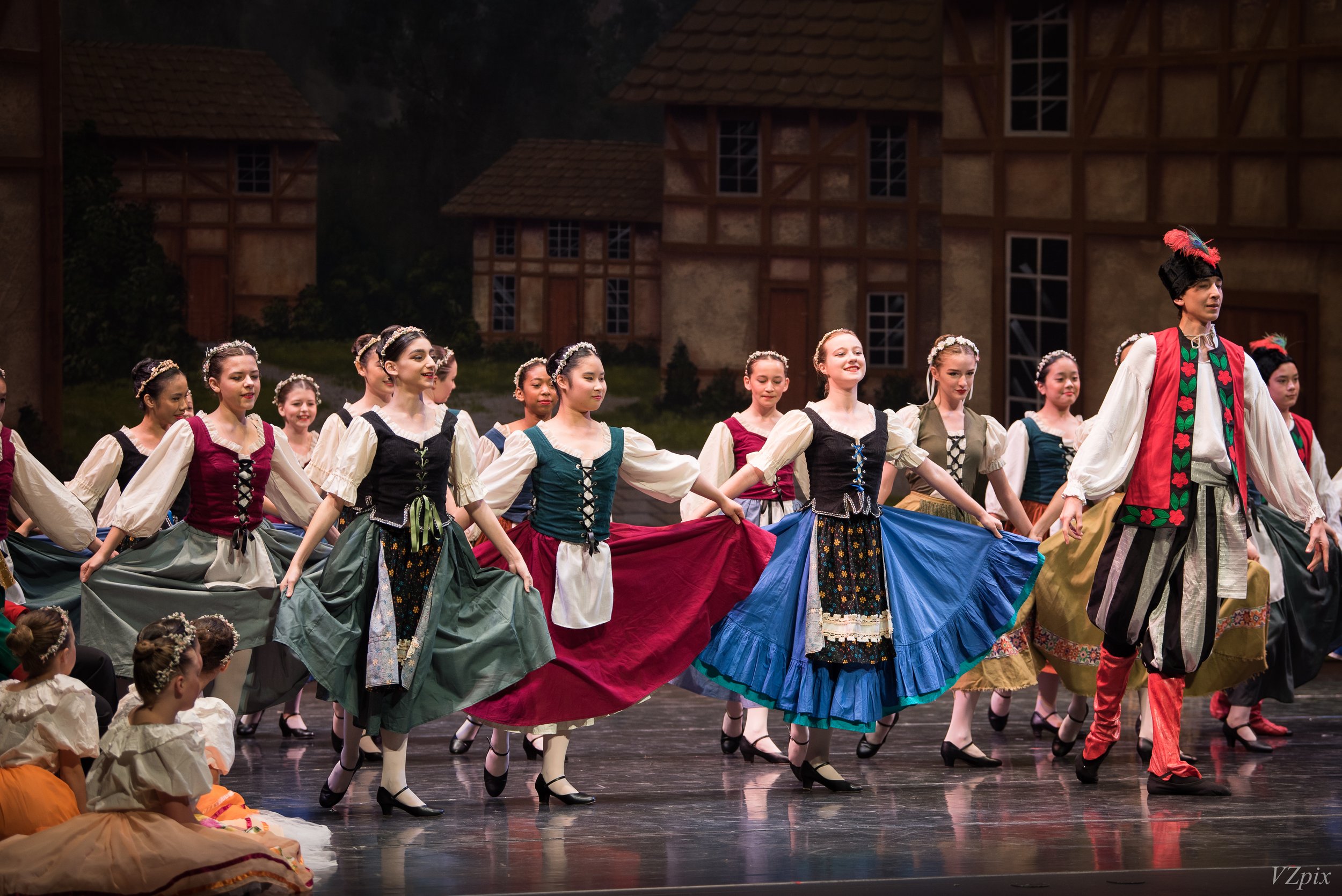
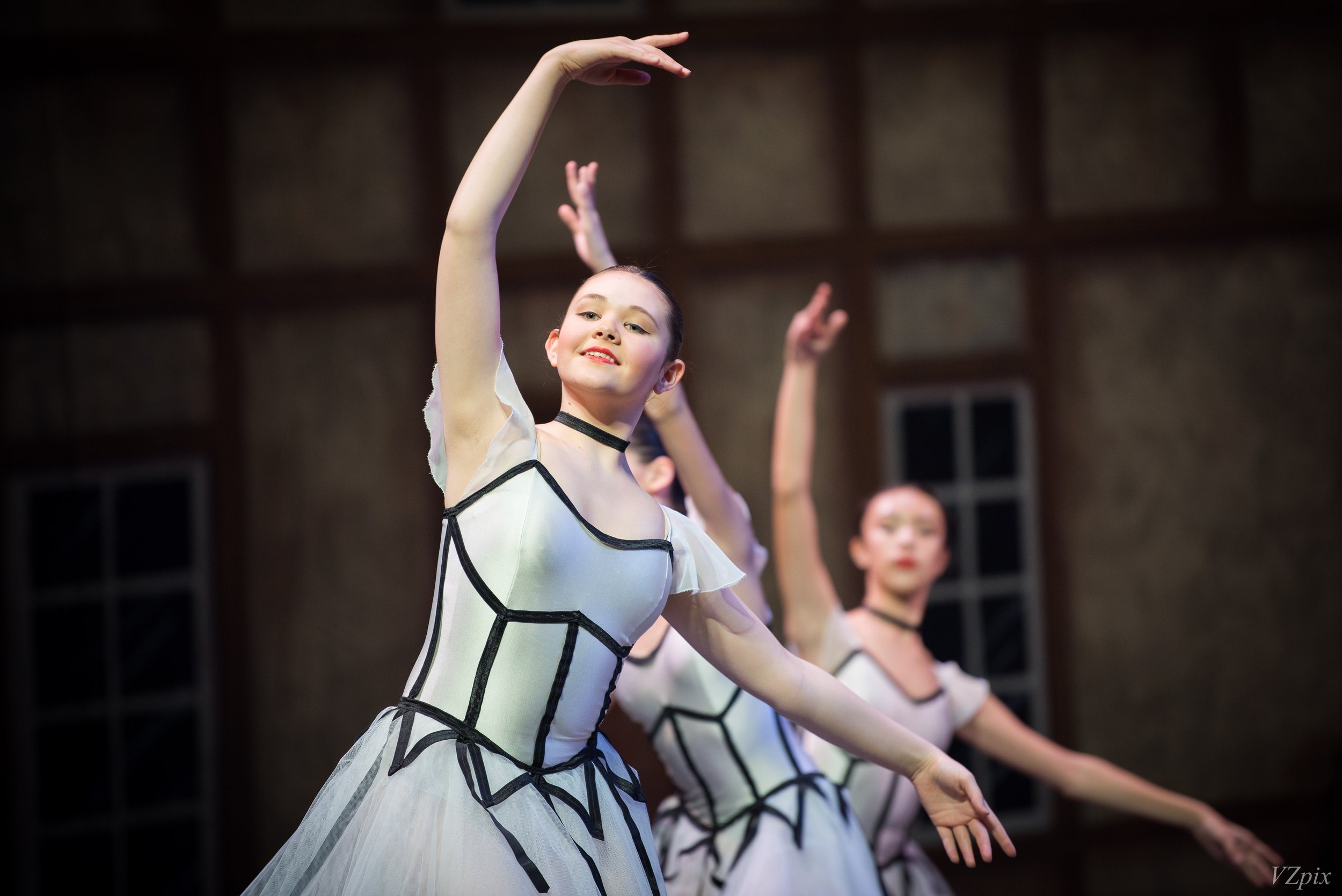
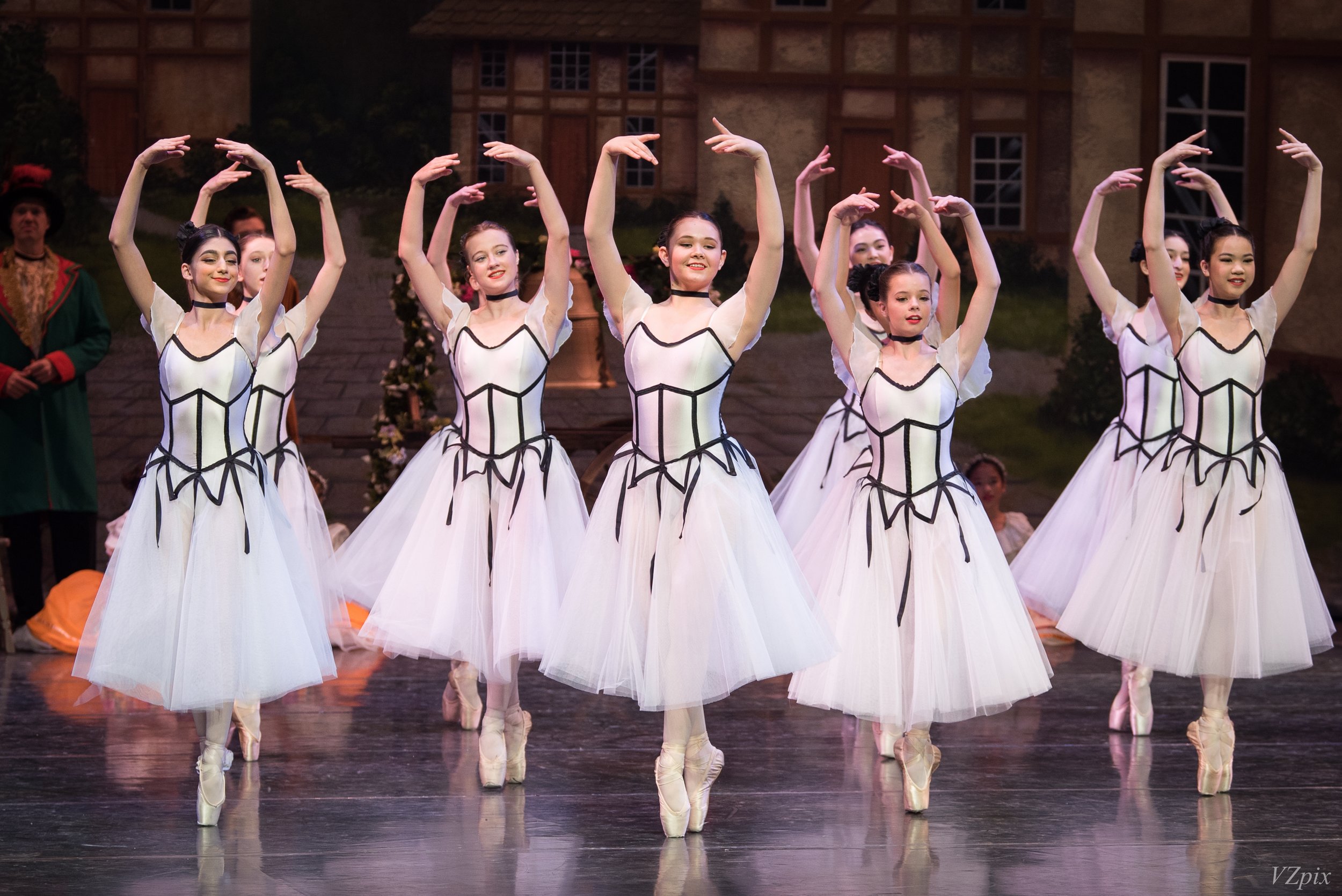
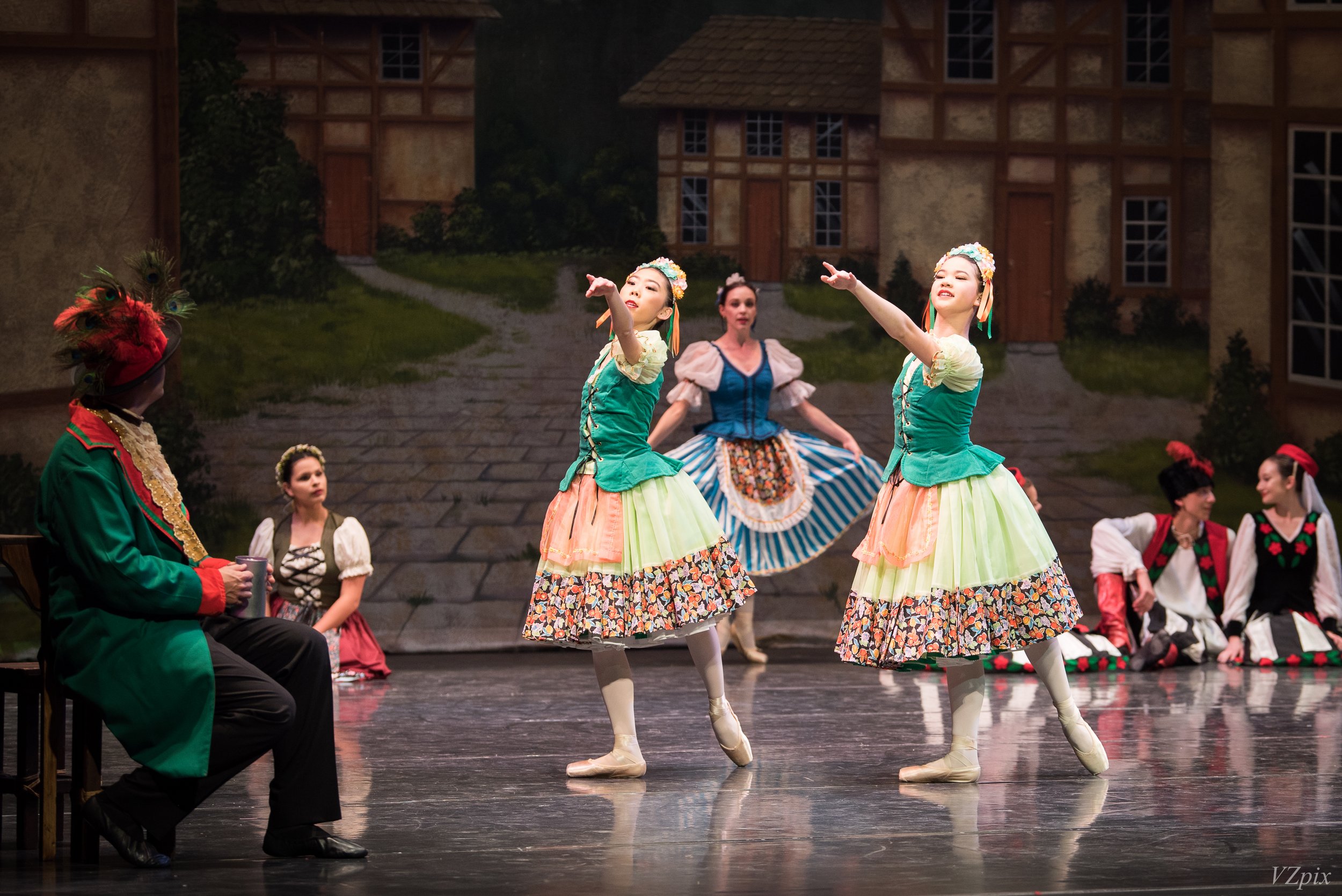
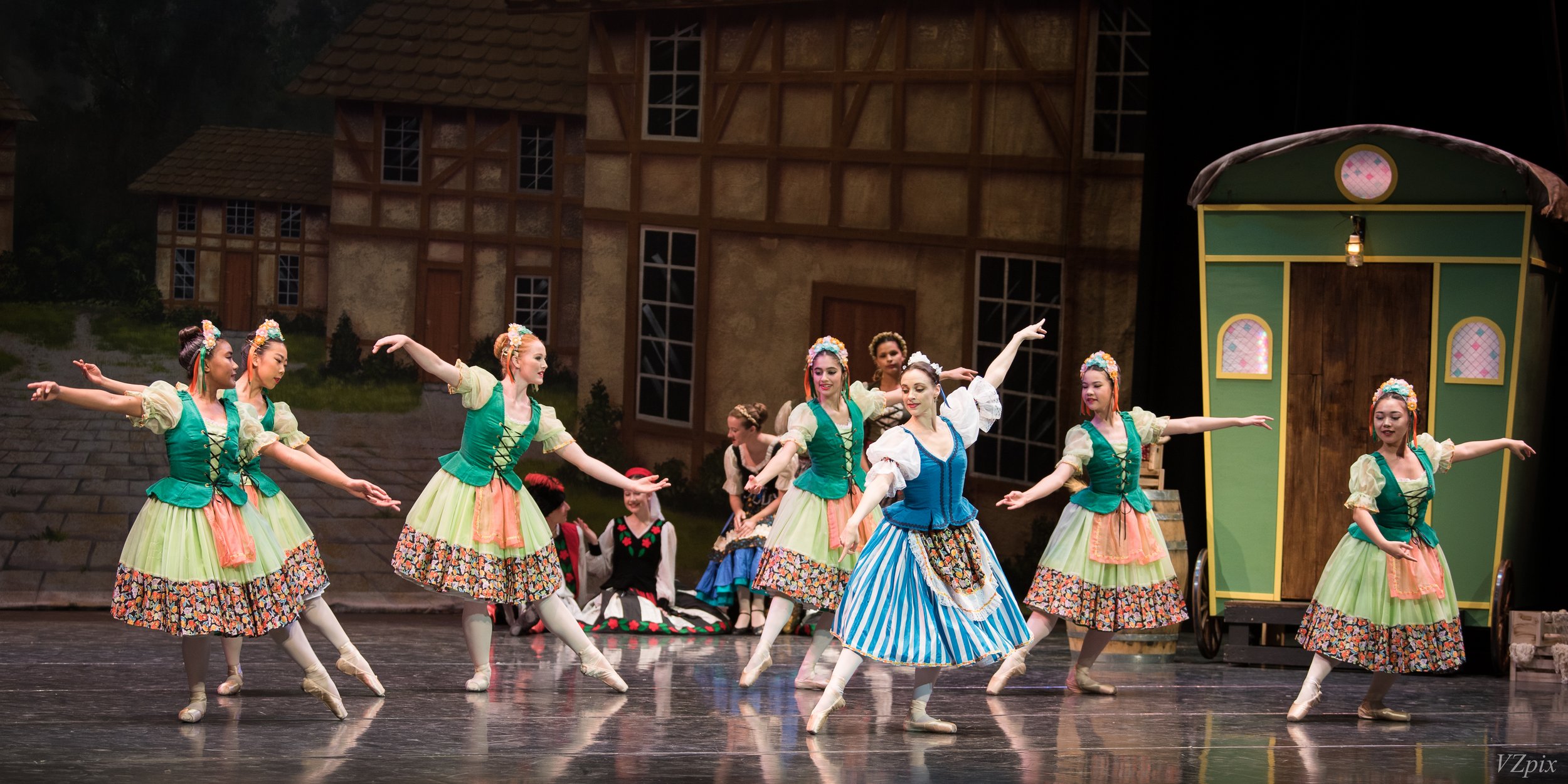
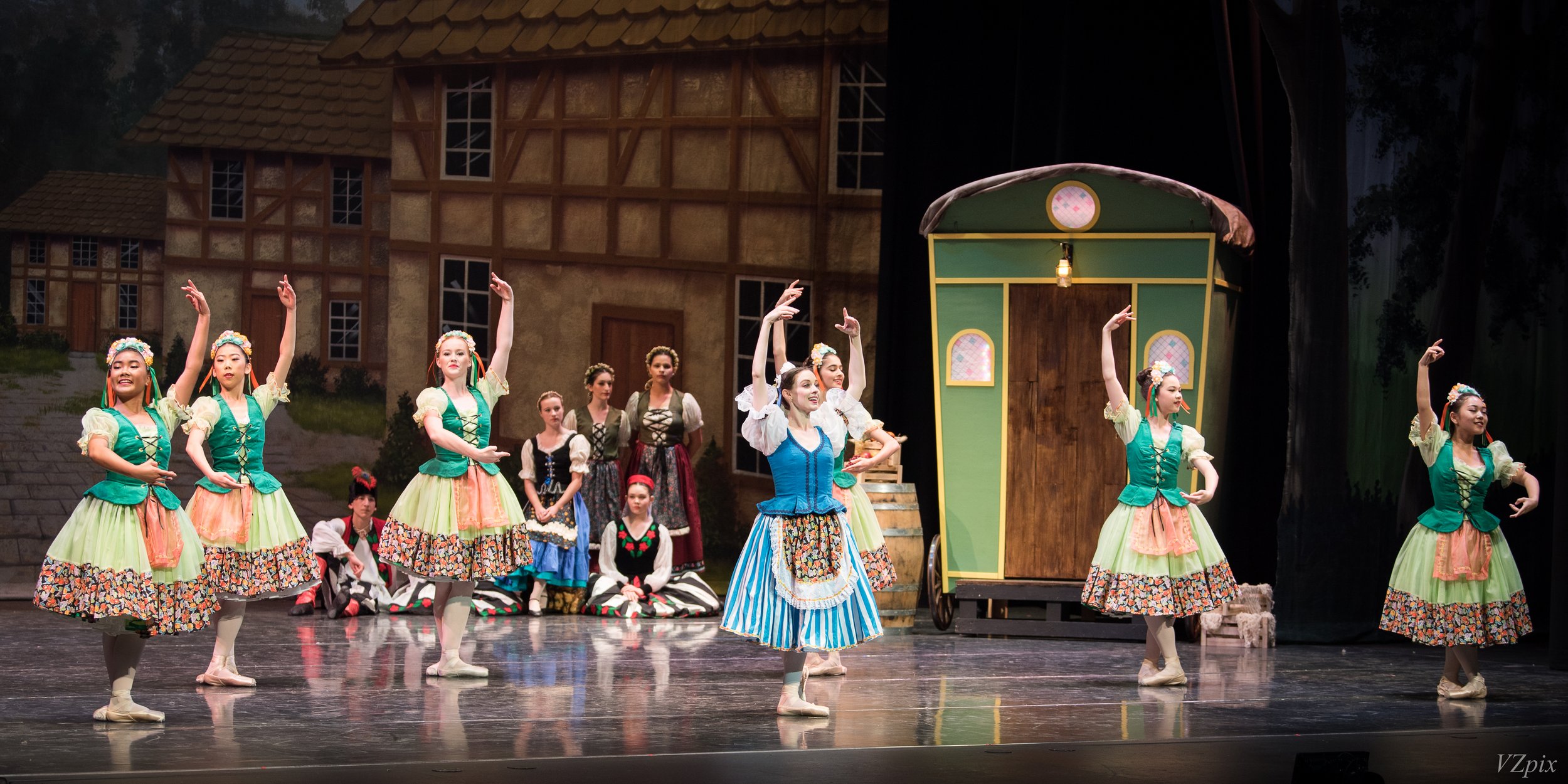
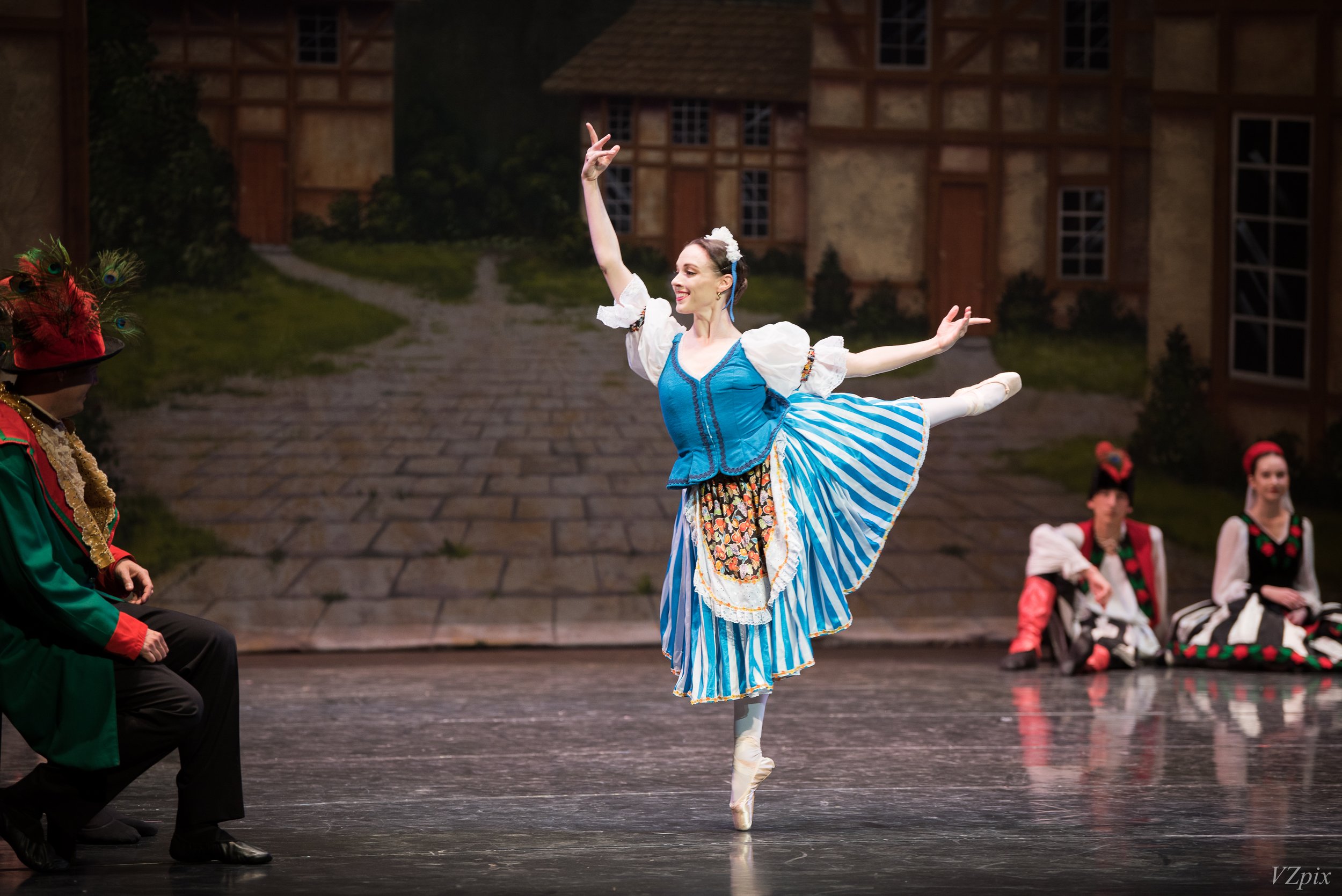
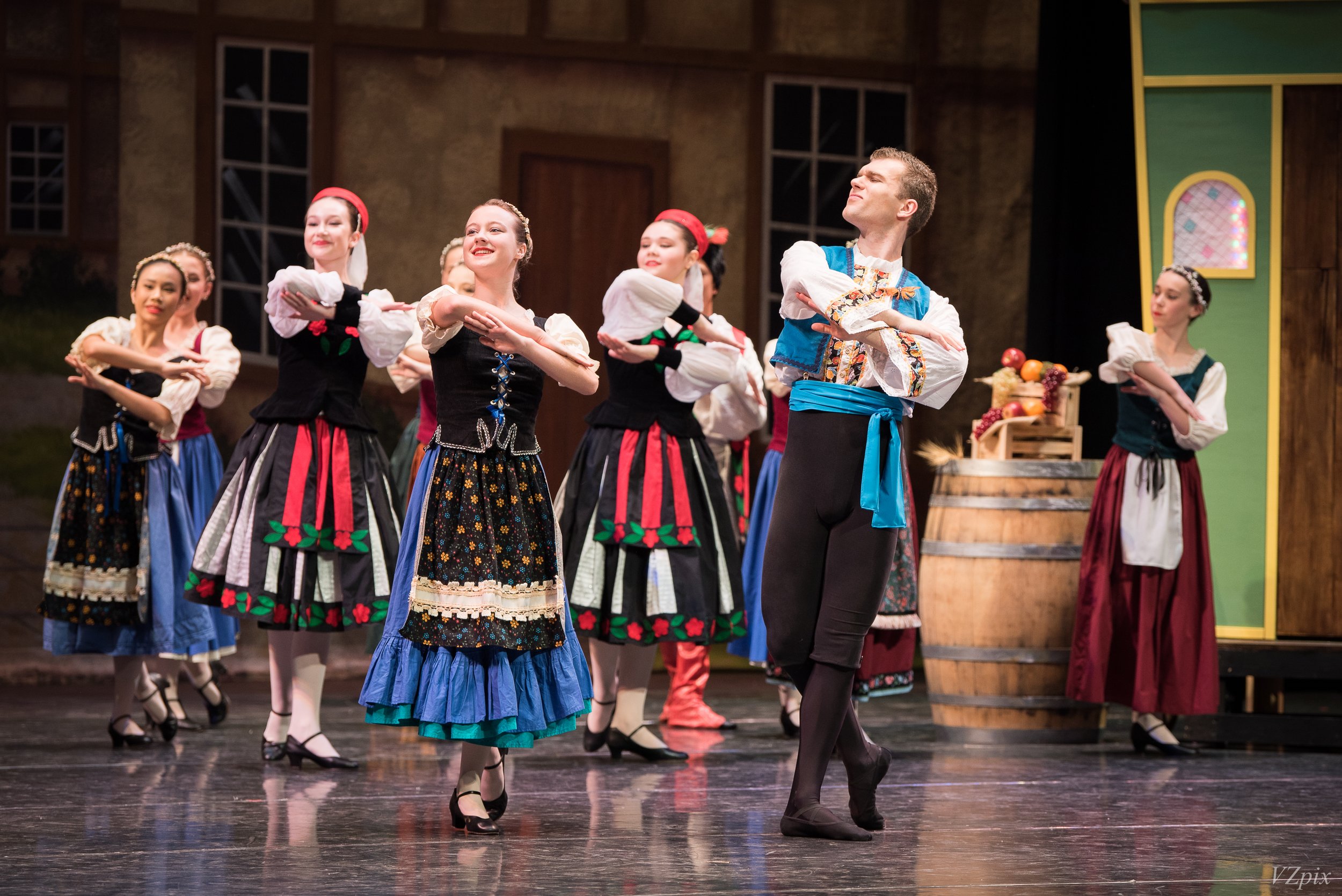
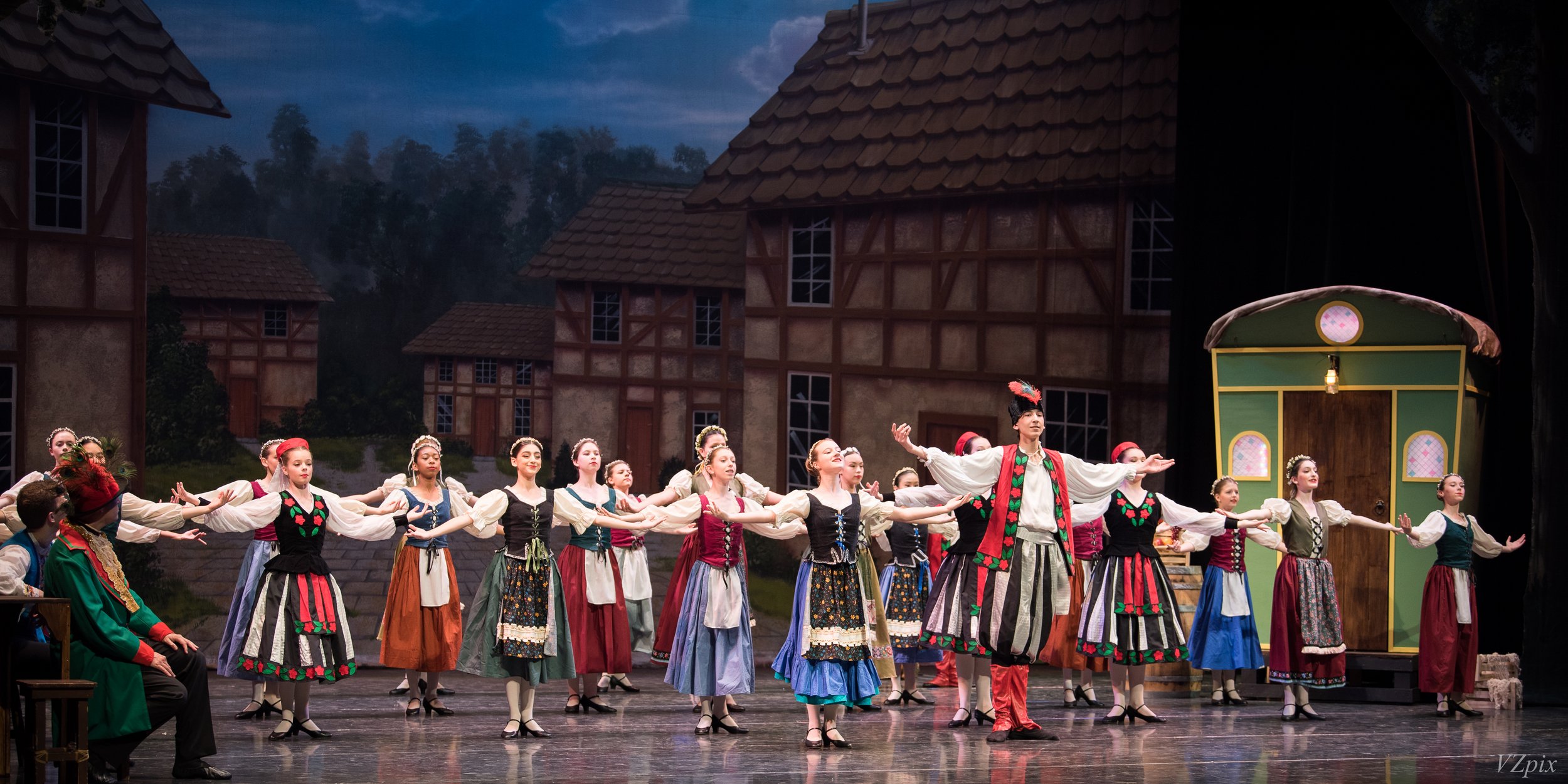
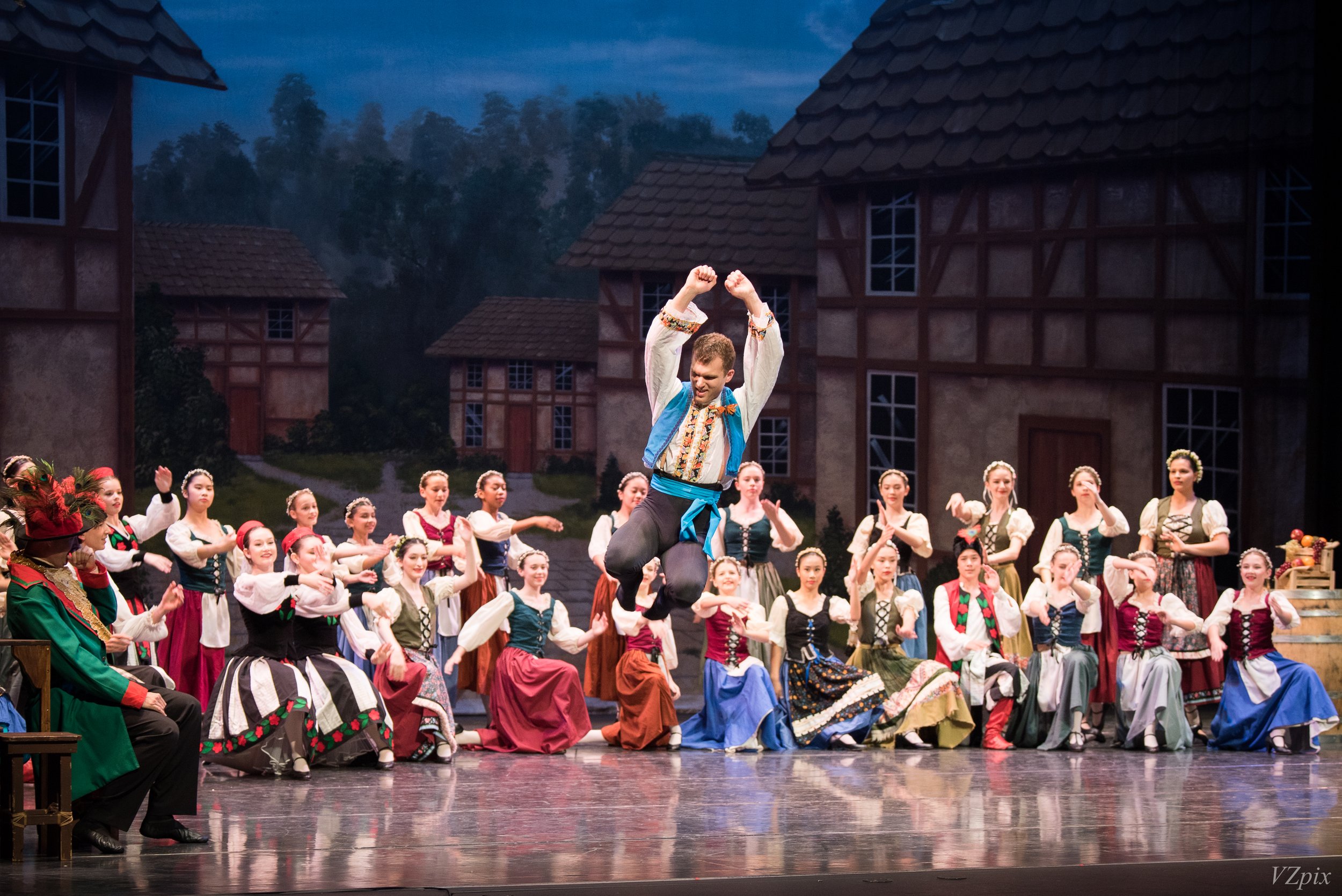
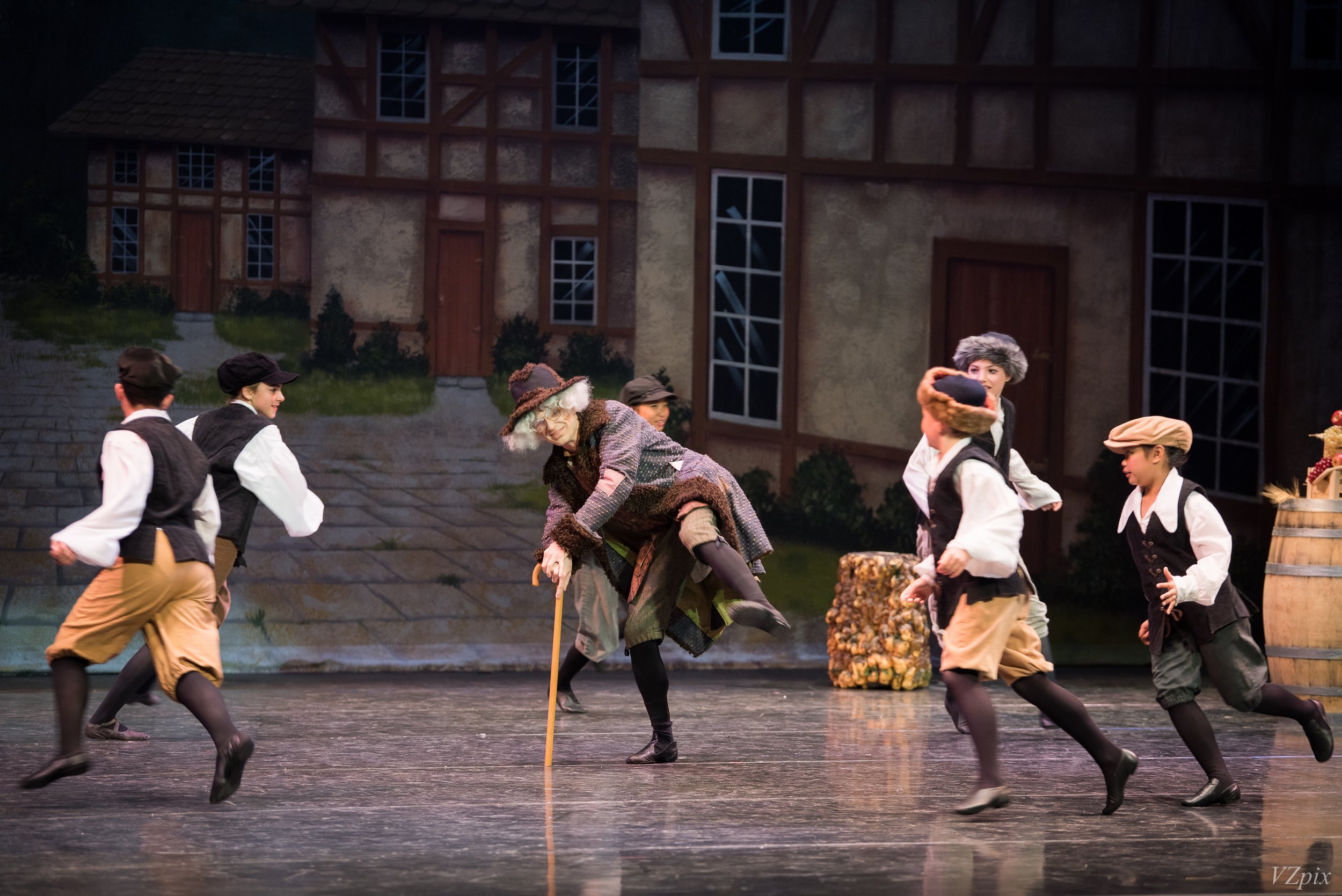
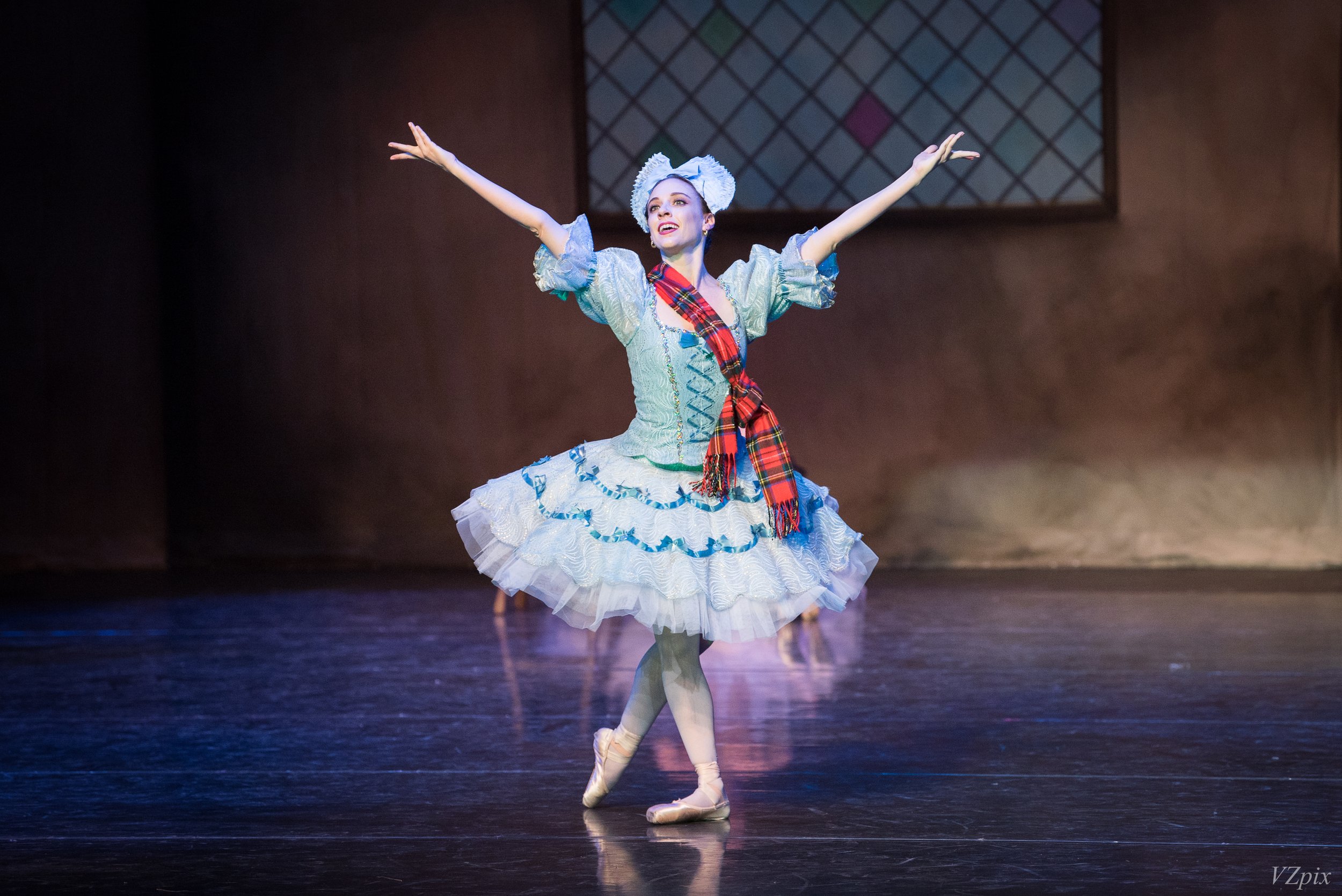
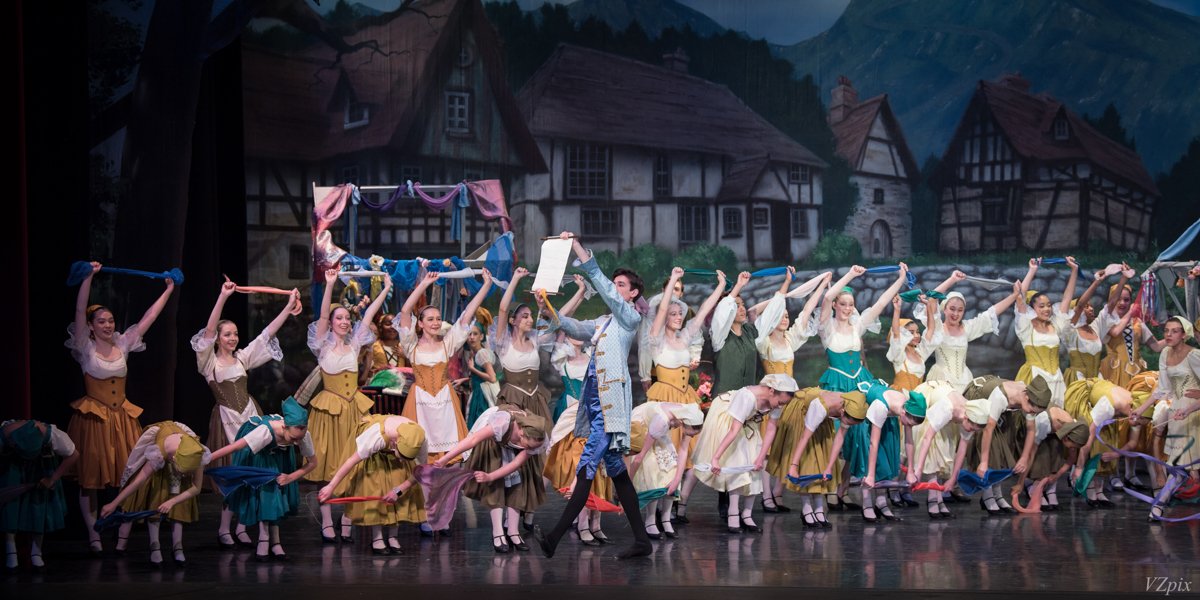
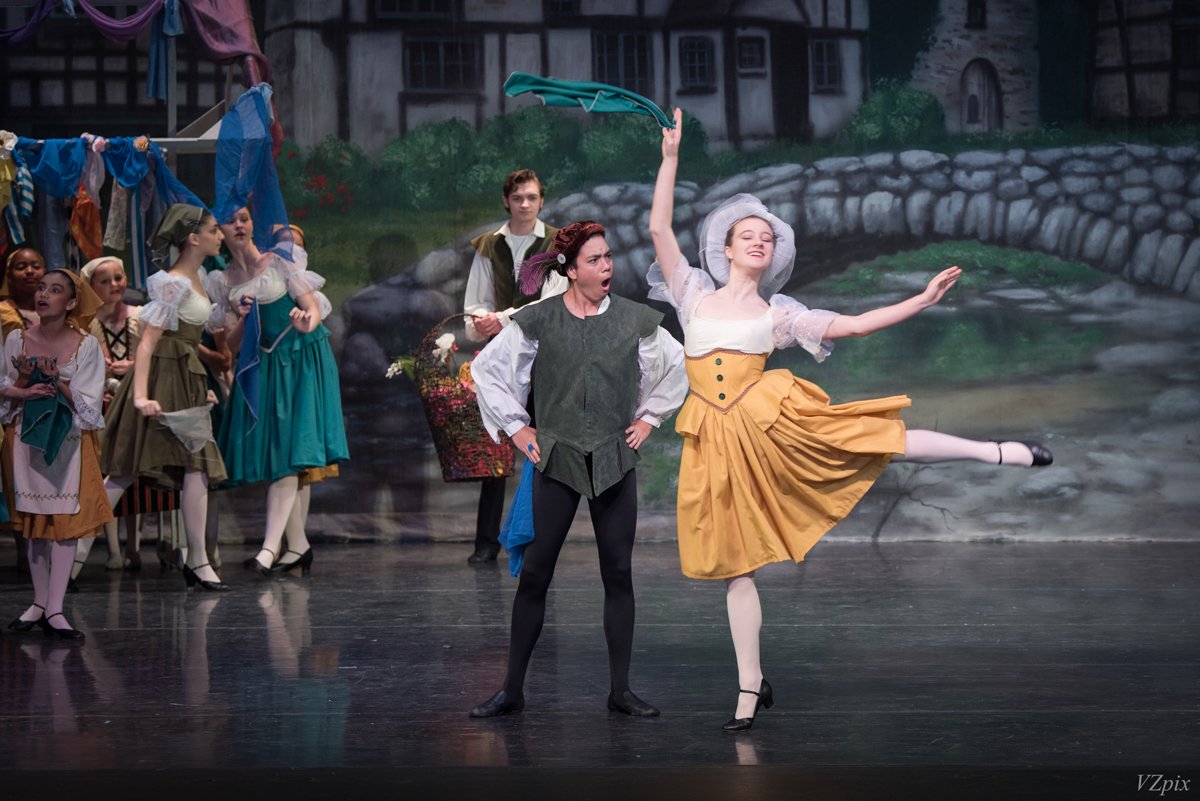
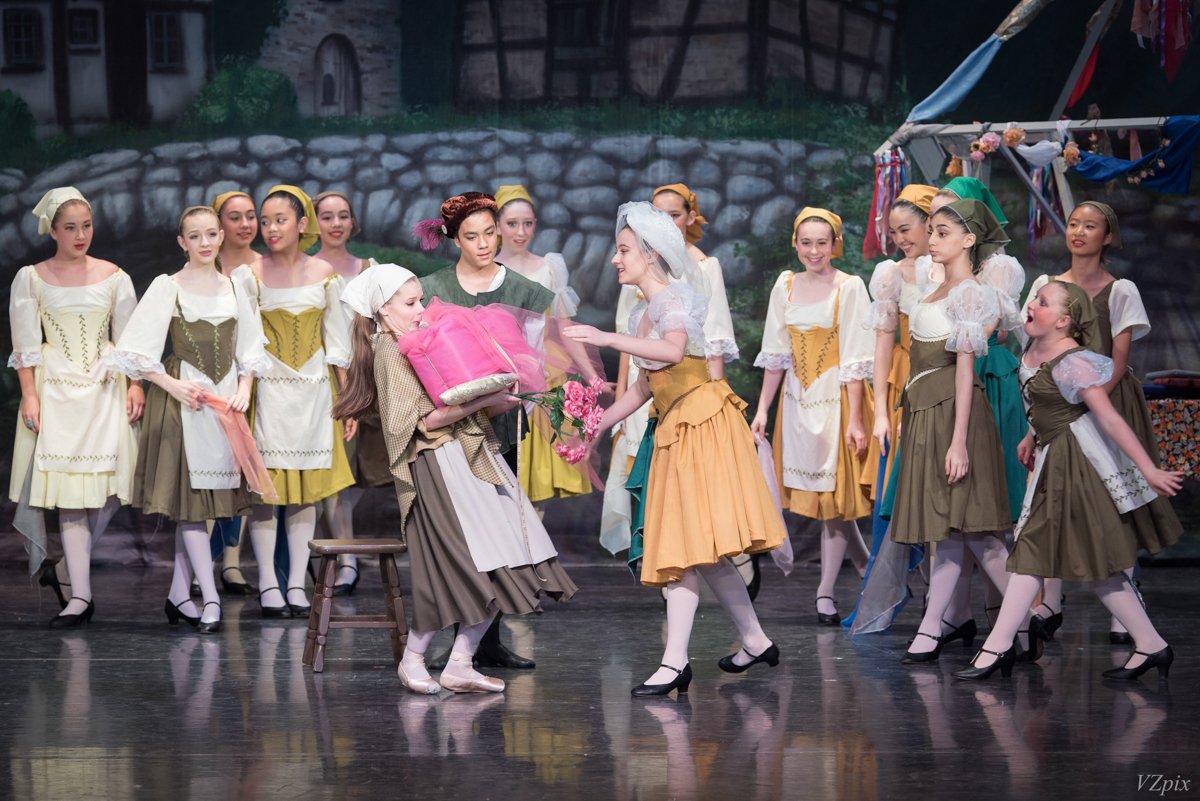
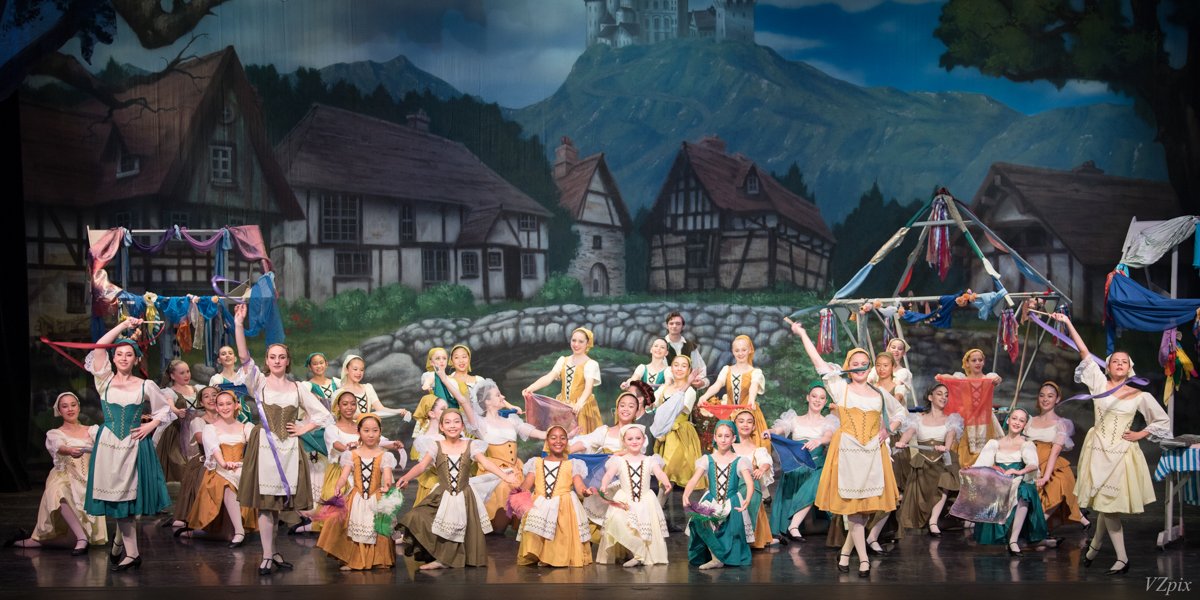
Coppélia is a traditional romantic style ballet choreographed to the music of Léo Delibes and based on the original choreography (1870) by Arthur Saint-Léon.
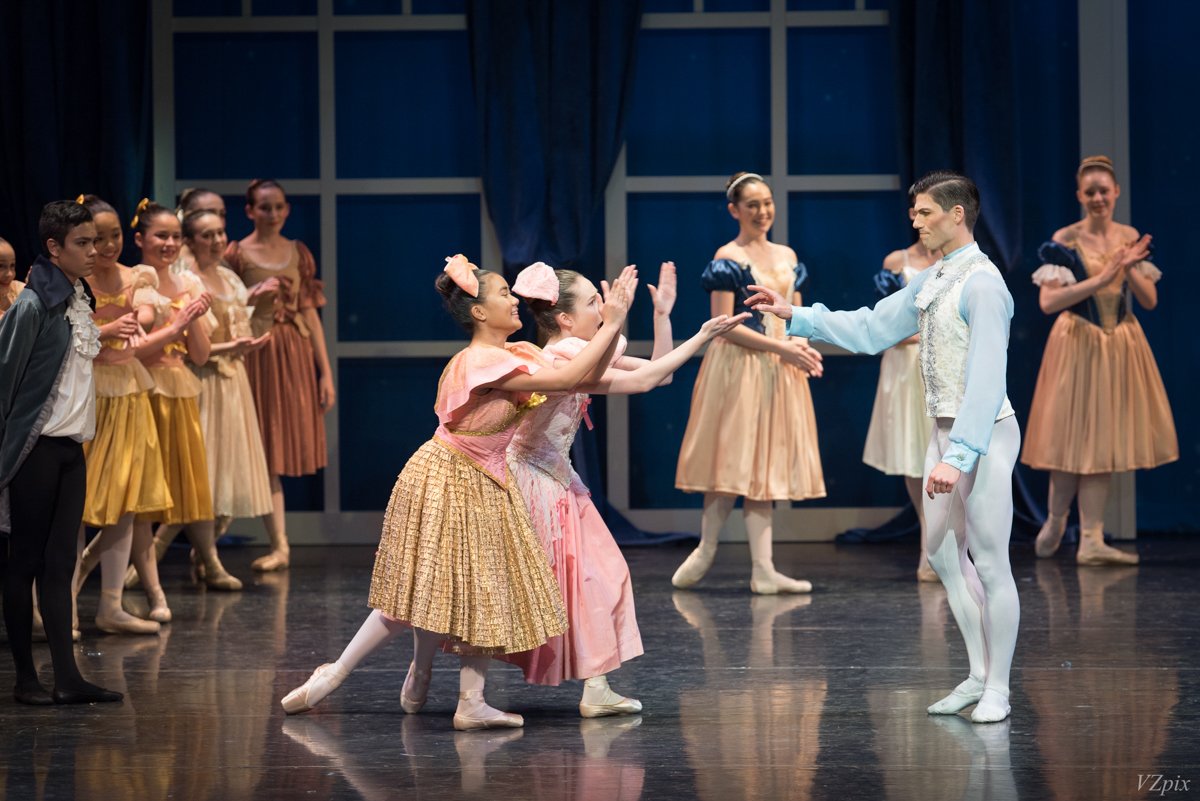
This ballet provides dancers and audiences a true ‘classical ballet’ experience, with a grand pas de deux, classical corp de ballet dances, extensive character dances, and traditional ballet mime.
-
Nineteenth Century Bavarian Square:
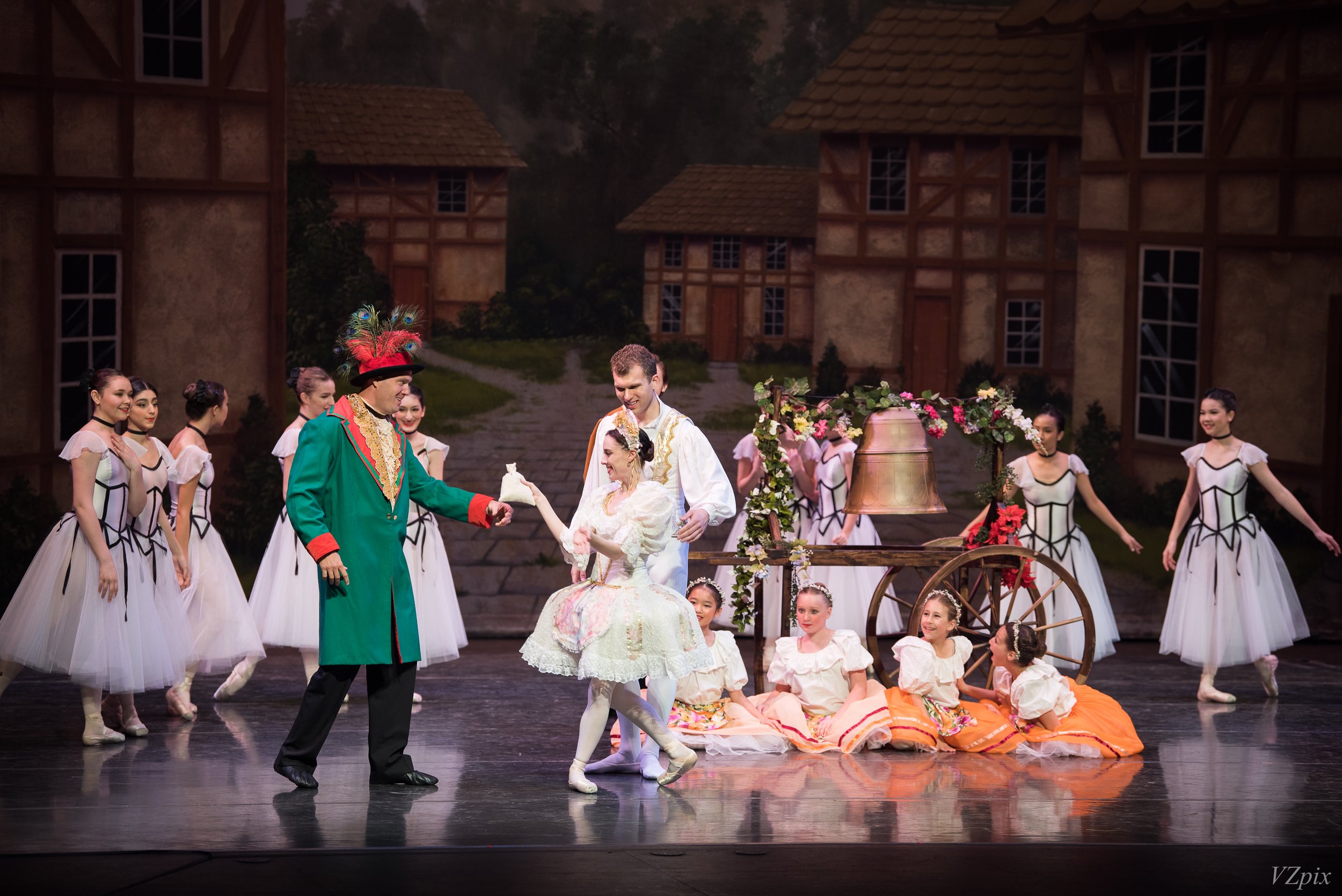
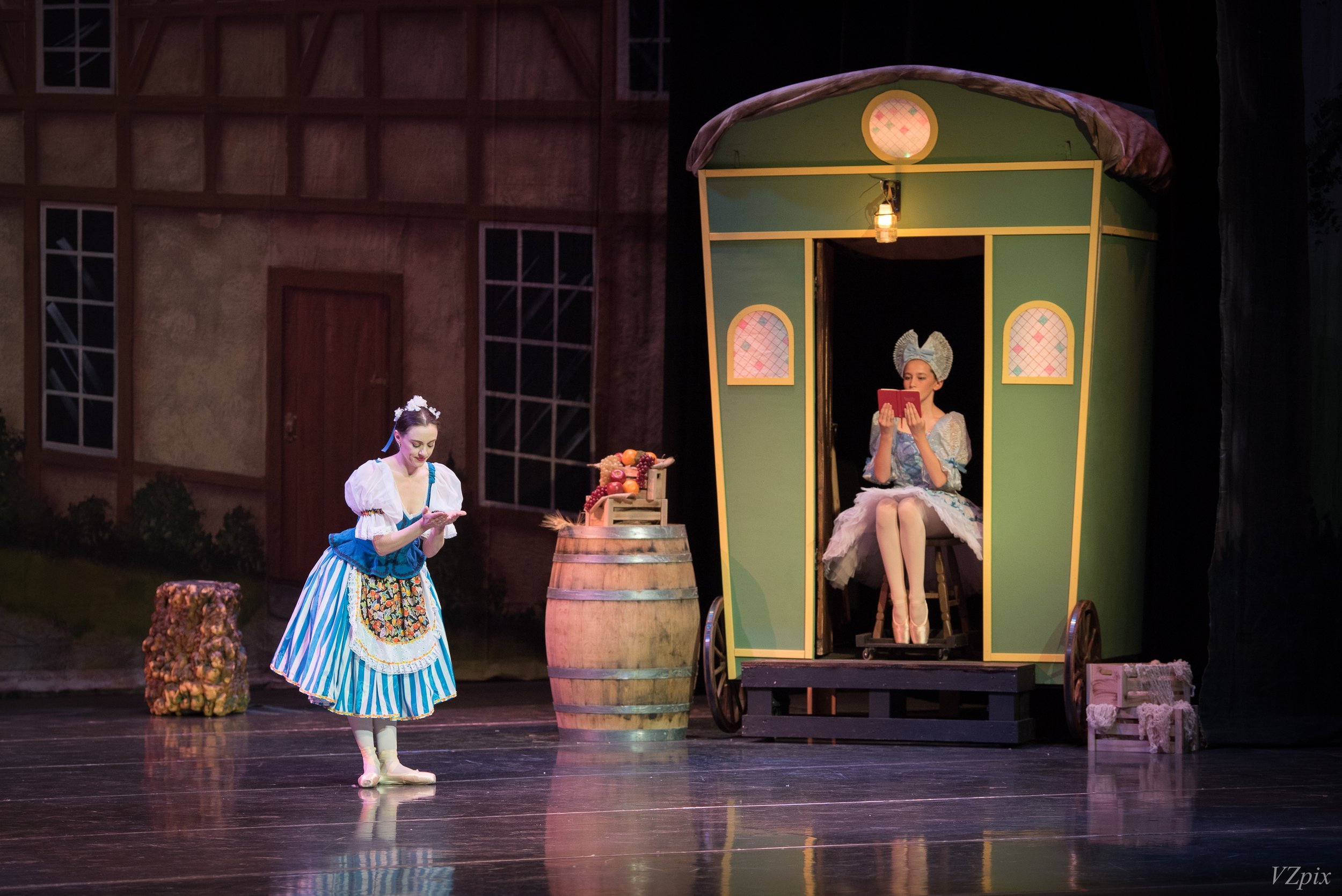
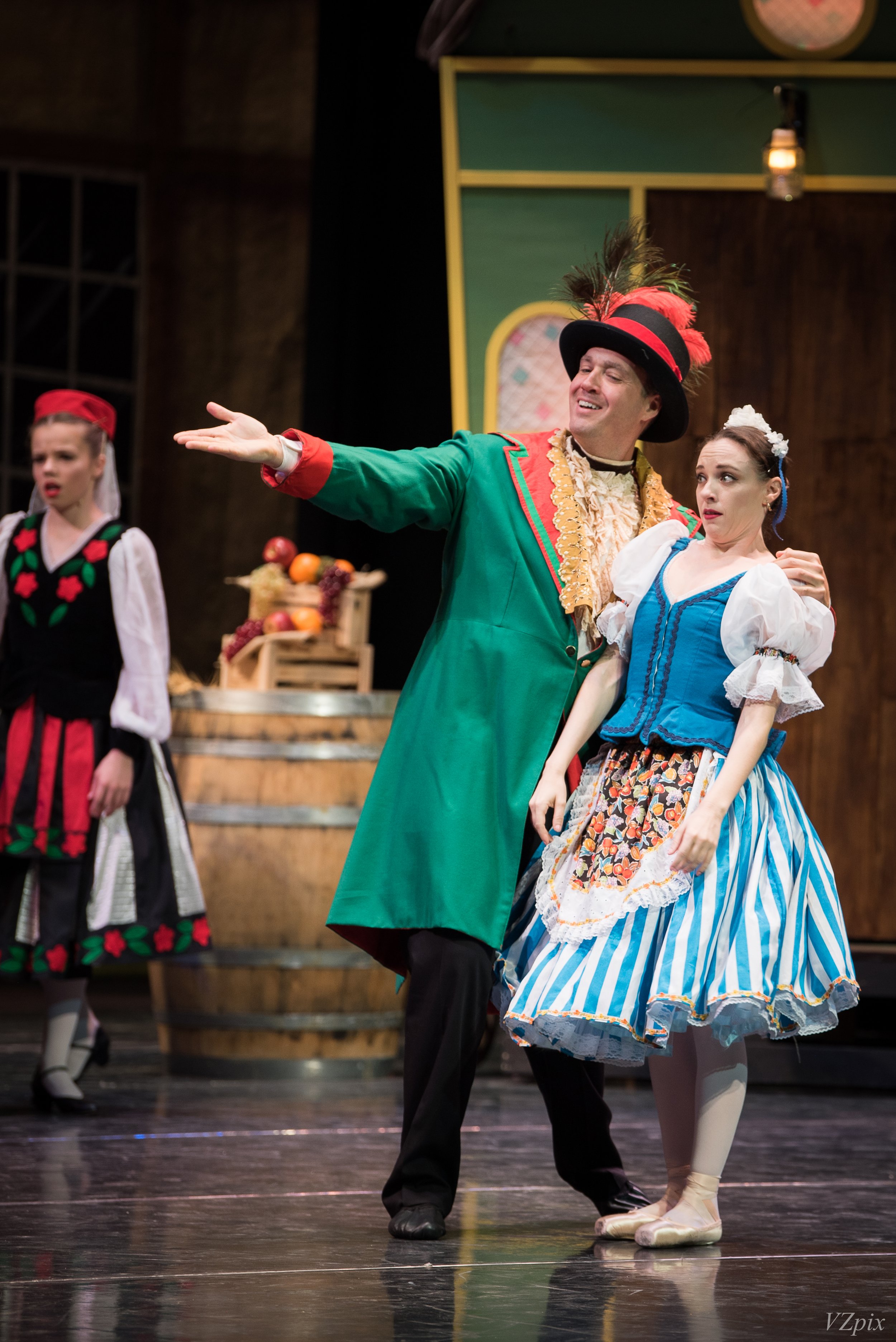
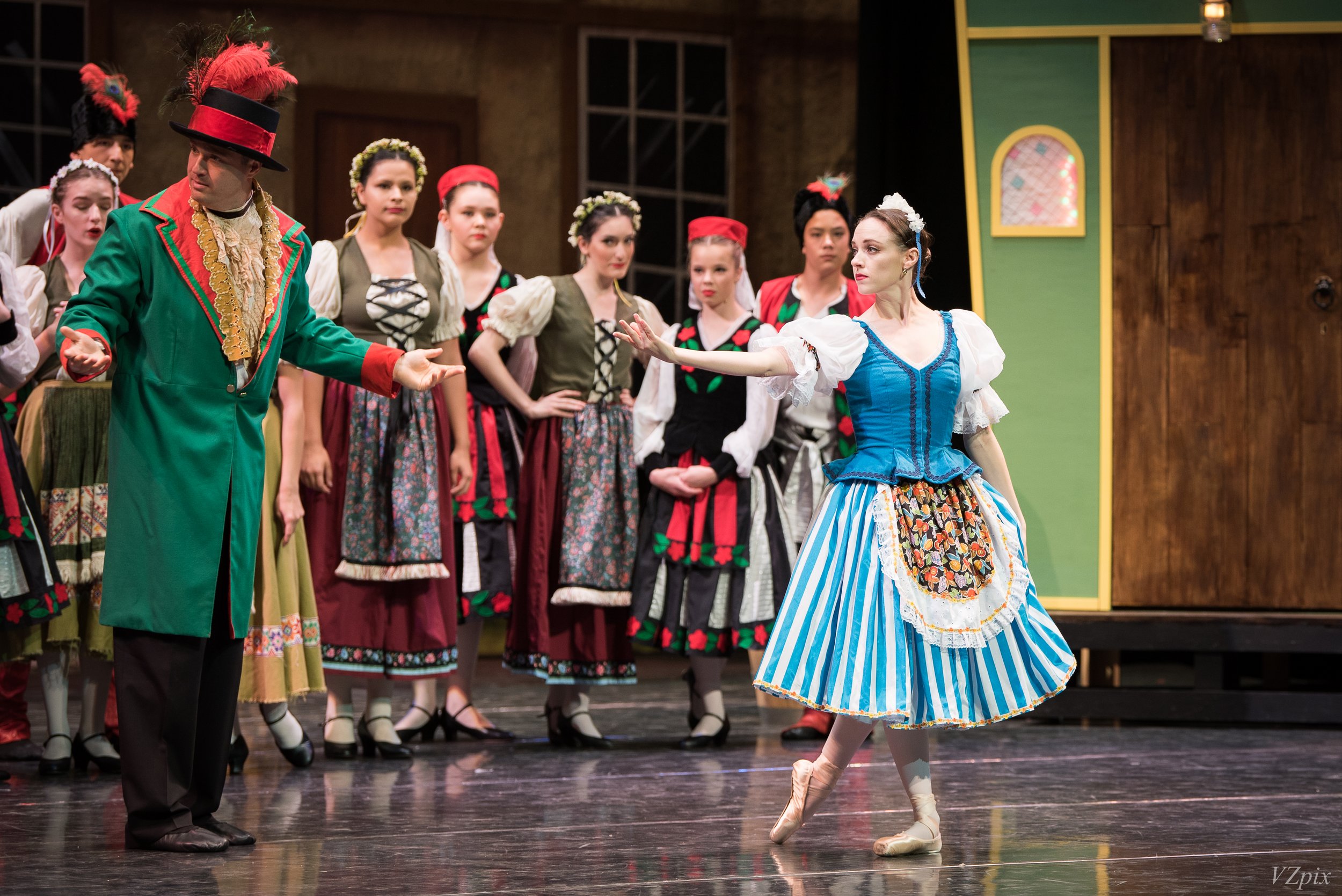
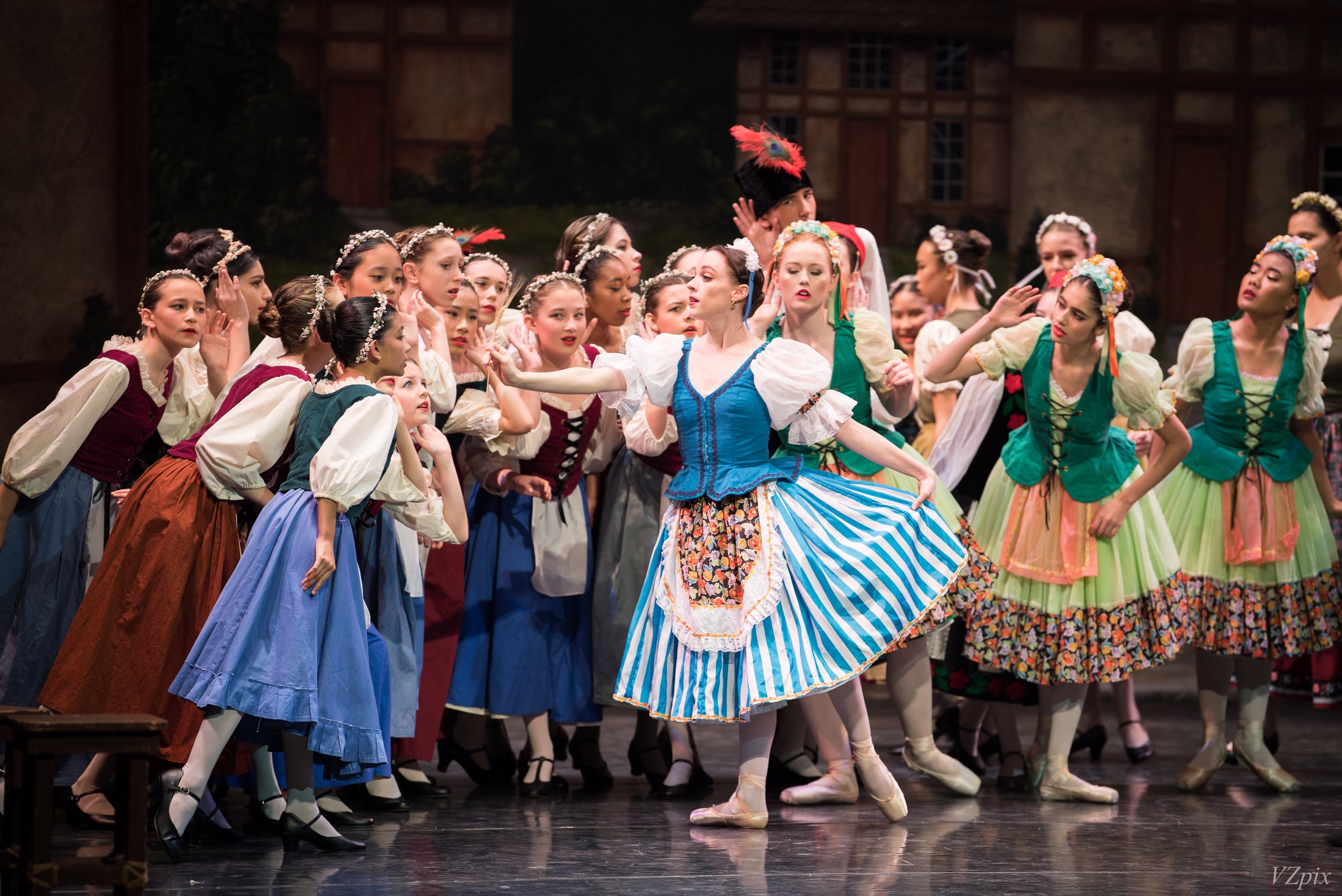
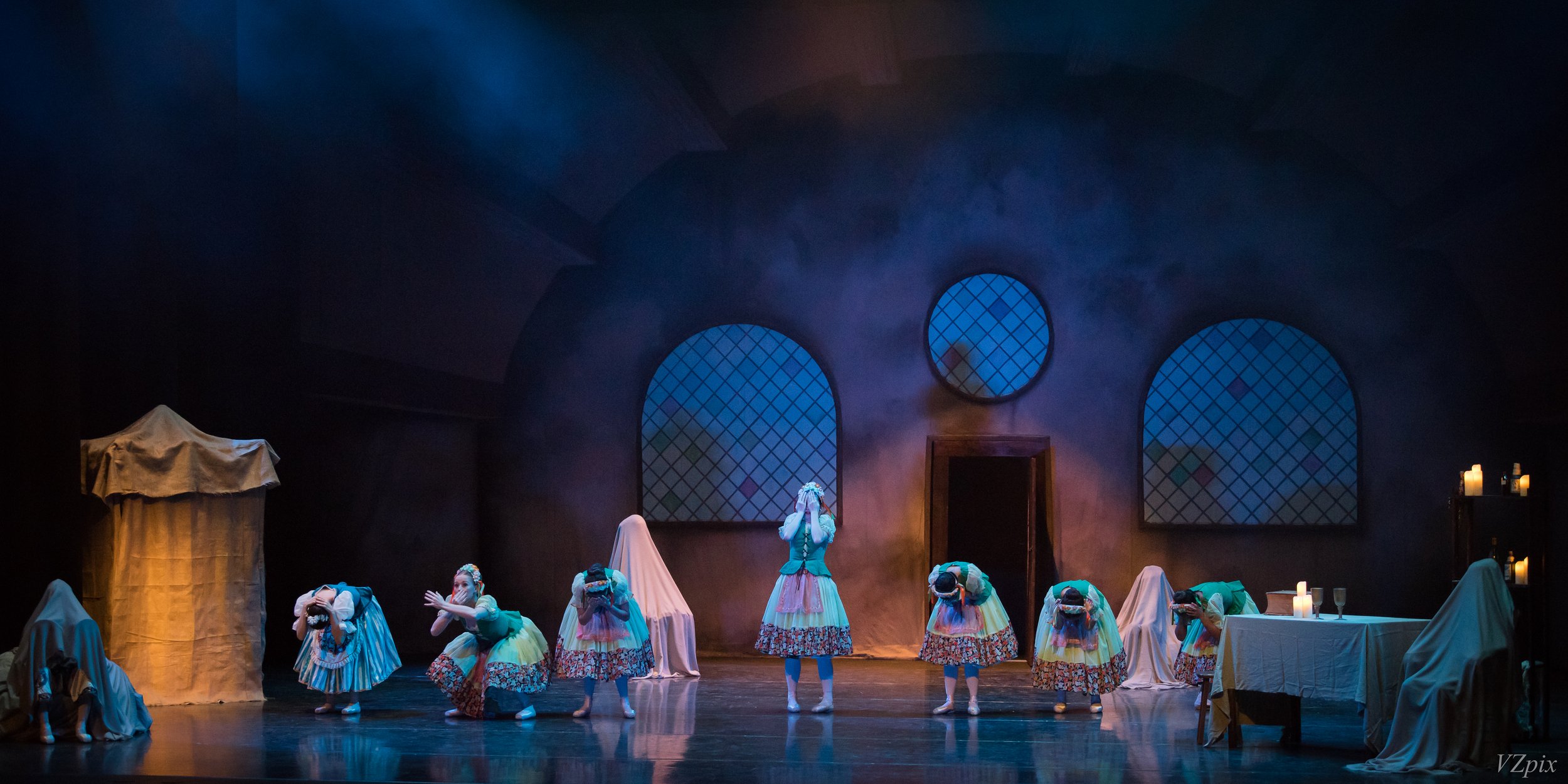
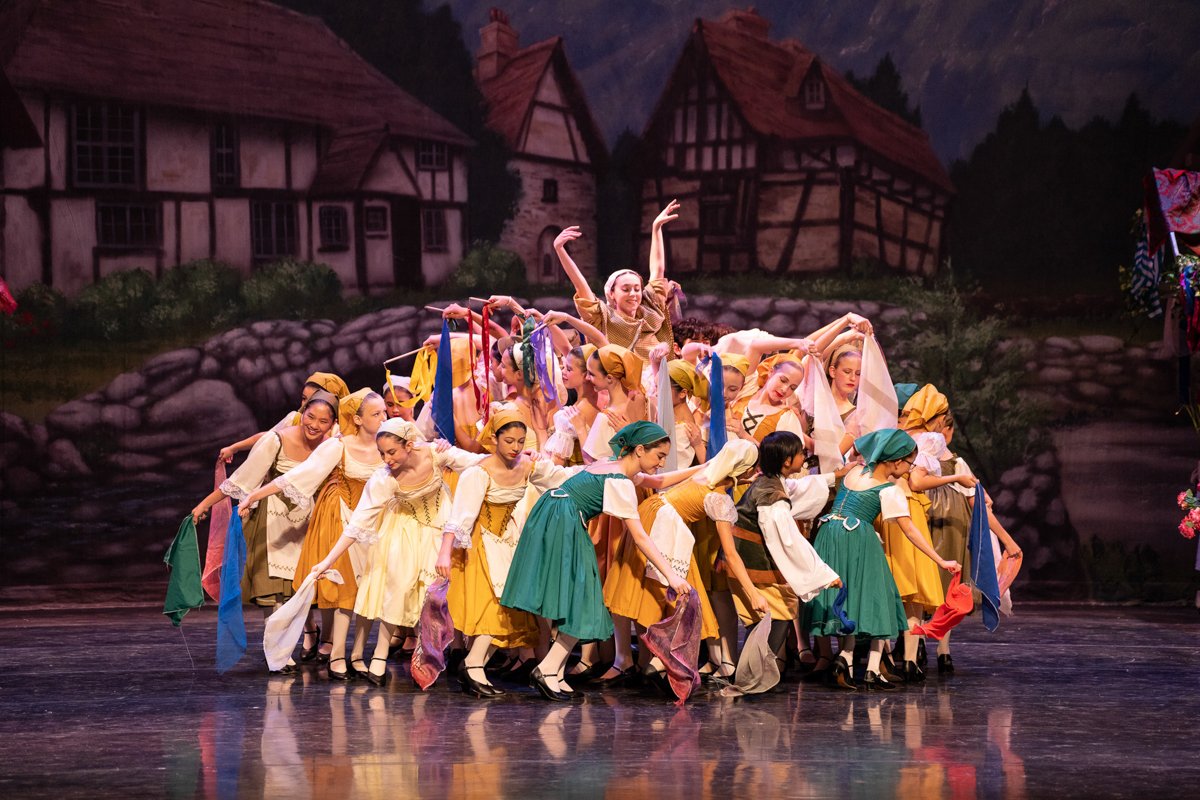
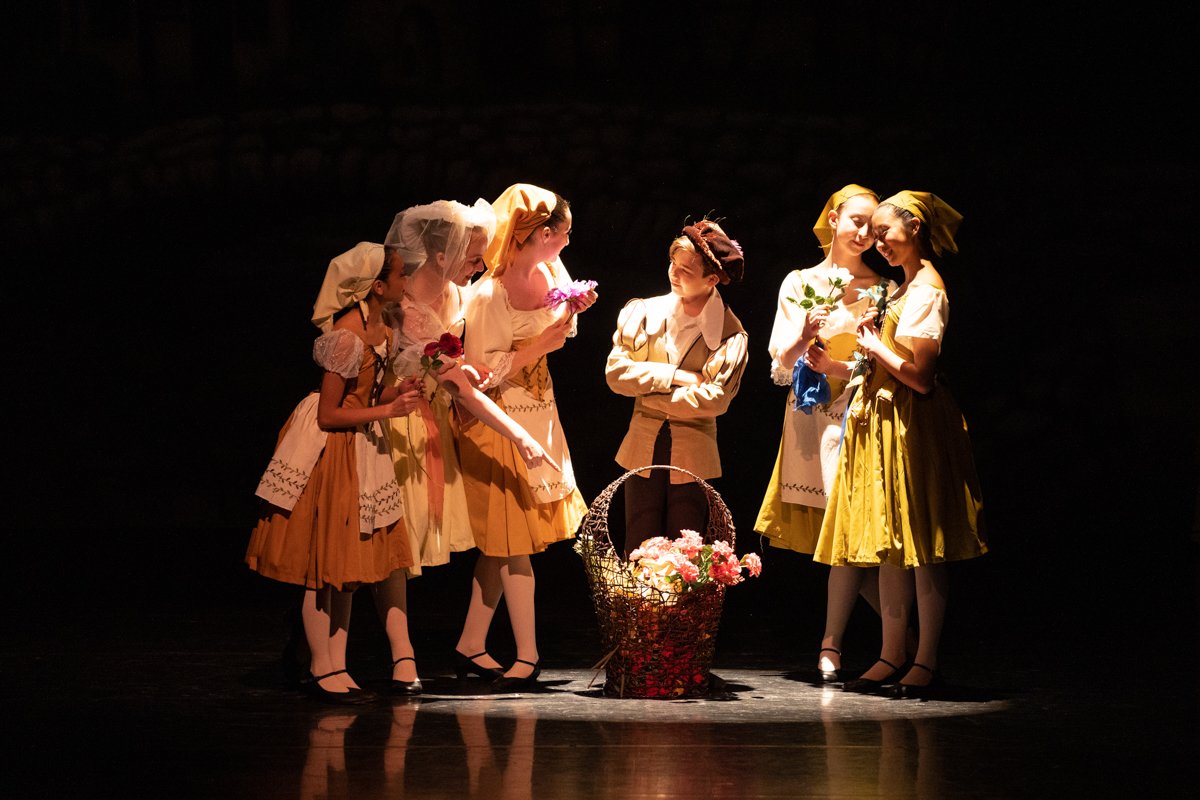
The eccentric inventor Dr. Coppélius has arrived in town and parked his caravan on the town square. Coppélius has spent his life developing his mystical powers, and his great ambition is to bring Coppélia, one of his mechanical dolls, to life! Dr. Coppélius leaves Coppélia in the doorway of his caravan to enjoy some fresh air and is delighted when everyone believes she is a real person. Swanhilda is not so pleased when her fiancé, Franz, is distracted by Coppélia’s beauty. The Lord of the Manor suggests that Swanhilda test Franz’s faithfulness with a stalk of wheat—if it rattles, she will know his love is true. Before leaving the town square, the Lord of the Manor announces plans for the Festival of the Bell to celebrate the gift of a new bell to the village church. Swanhilda and her friends decide to enter Dr. Coppélius’ caravan to look for the “mysterious girl” on the balcony. Franz appears soon after with the same mission in mind!
-
Dr. Coppélius’ Workshop, Later that Night:
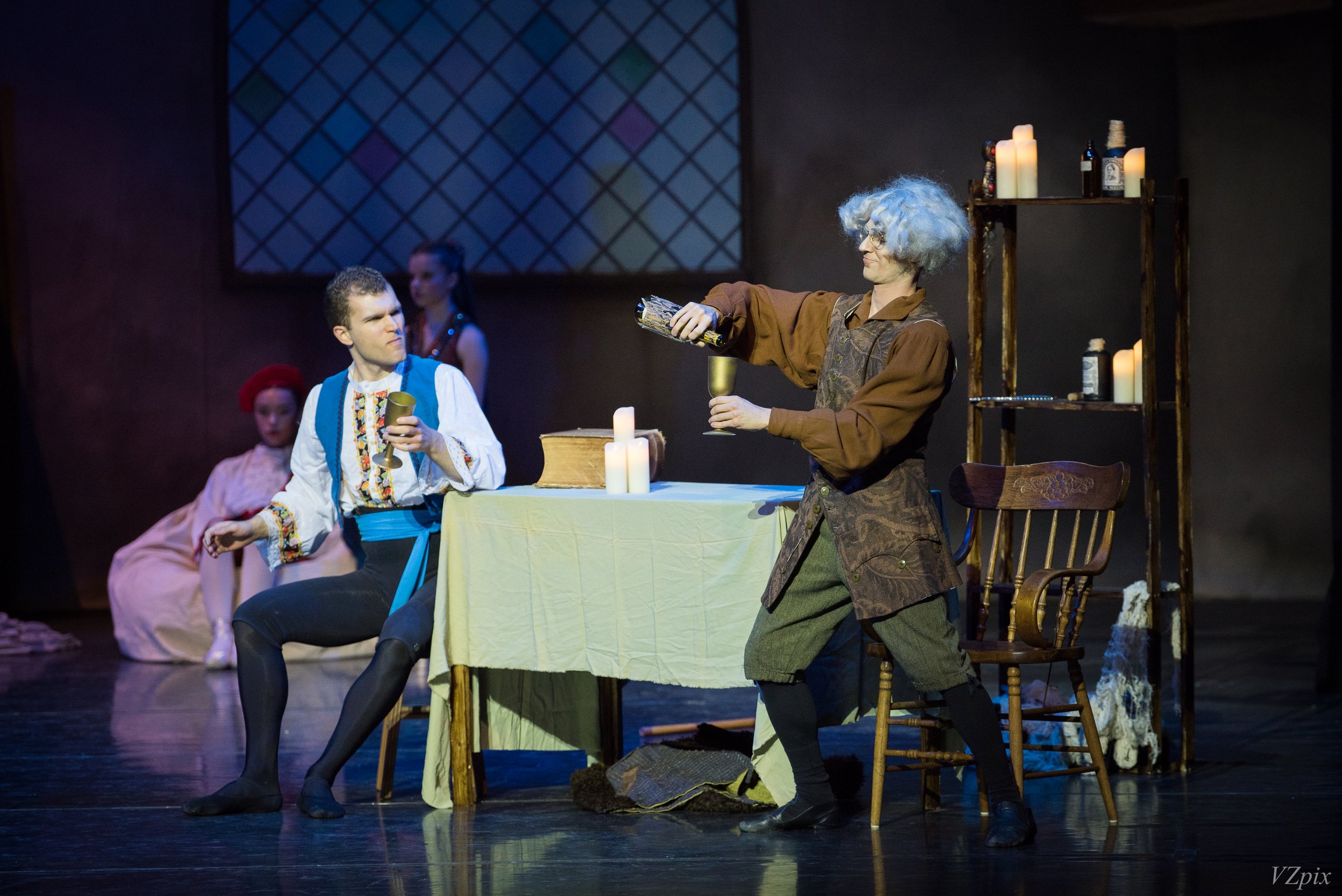
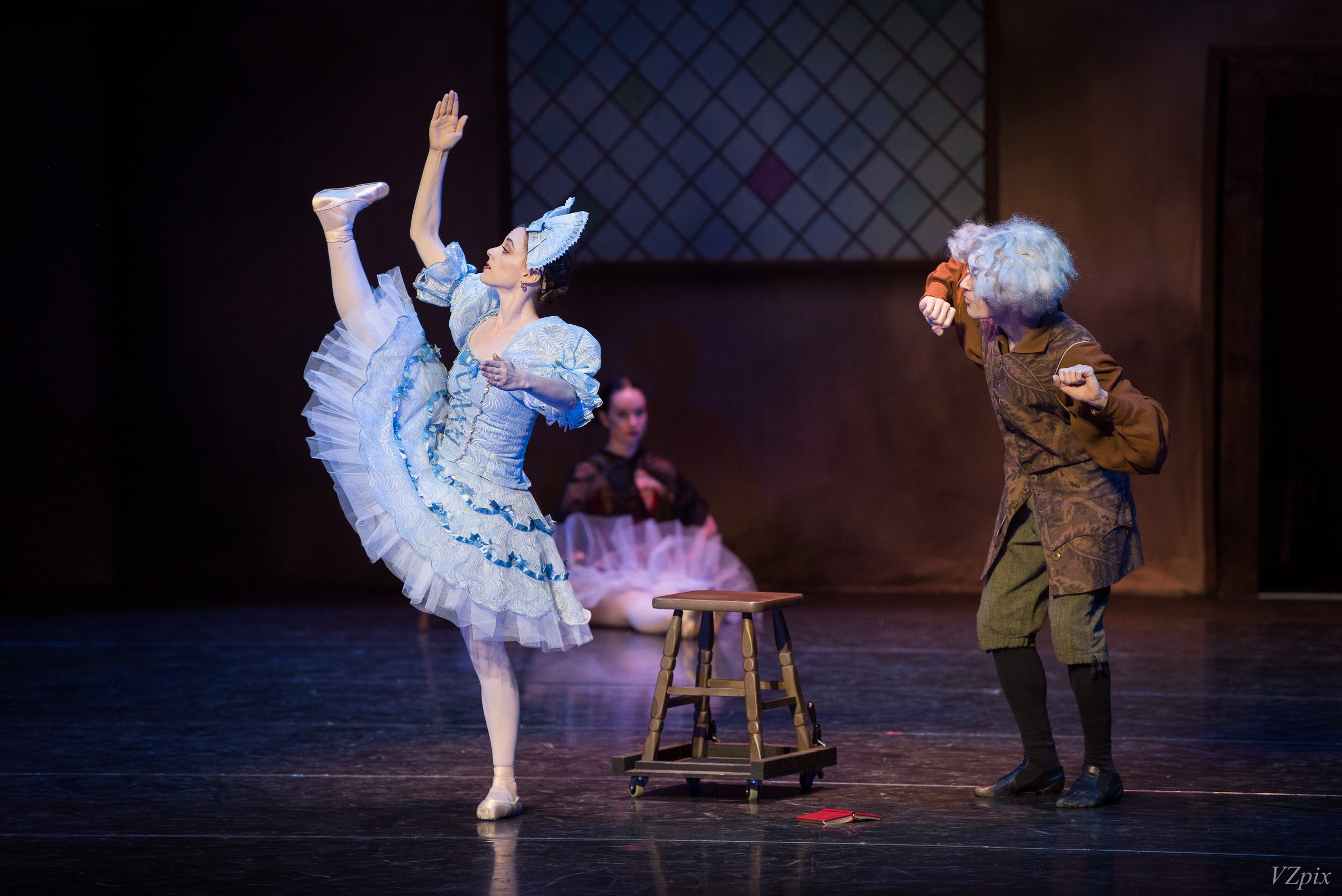
Inside the workshop, Swanhilda and her friends discover Coppélia and are astonished to find that she is actually a doll. Dr. Coppélius returns and drives them all out, except Swanhilda who hides and switches places with the Coppélia doll. Franz appears and Dr. Coppélius threatens to punish him. He then has second thoughts and offers him a glass of wine, with a sleeping potion to make him fall asleep. With the help of a book of magic, he tries to bring Coppélia to life using the boy’s spirit. Swanhilda pretends to be the doll that has come to life, making Dr. Coppélius deliriously happy with his “success.”
-
Festival of the Bell:
The new bell is formally presented by the Lord of the Manor. He bestows purses of gold upon Franz and Swanhilda who have announced their wedding that day. Dr. Coppélius, still singing from the realization that he had been tricked, demands the gold to pay for the damage to his workshop. The Lord of the Manor smooths things over, and the festival begins.
Synopsis
Discussion with Artistic Directors
Why was Coppélia selected for Southern California Ballet’s spring ballet repertoire?
Coppélia is a ballet that Toby (Co-Artistic Director) performed as a pre-professional dancer. It has a fond place in his memory as a ballet that is entertaining for audiences, and appropriate yet challenging enough for dancers of SCB to perform well while gaining good experience. The comedy aspect—often, the most challenging thing to do on stage is make people laugh—along with the classical structure of the ballet is perfect to challenge the dancers and delight audiences. Coppélia is also a very accessible ballet for audiences who are new to dance because of its easy-to-follow story and clear narrative.
Cinderella
A magical fairytale ballet in three acts
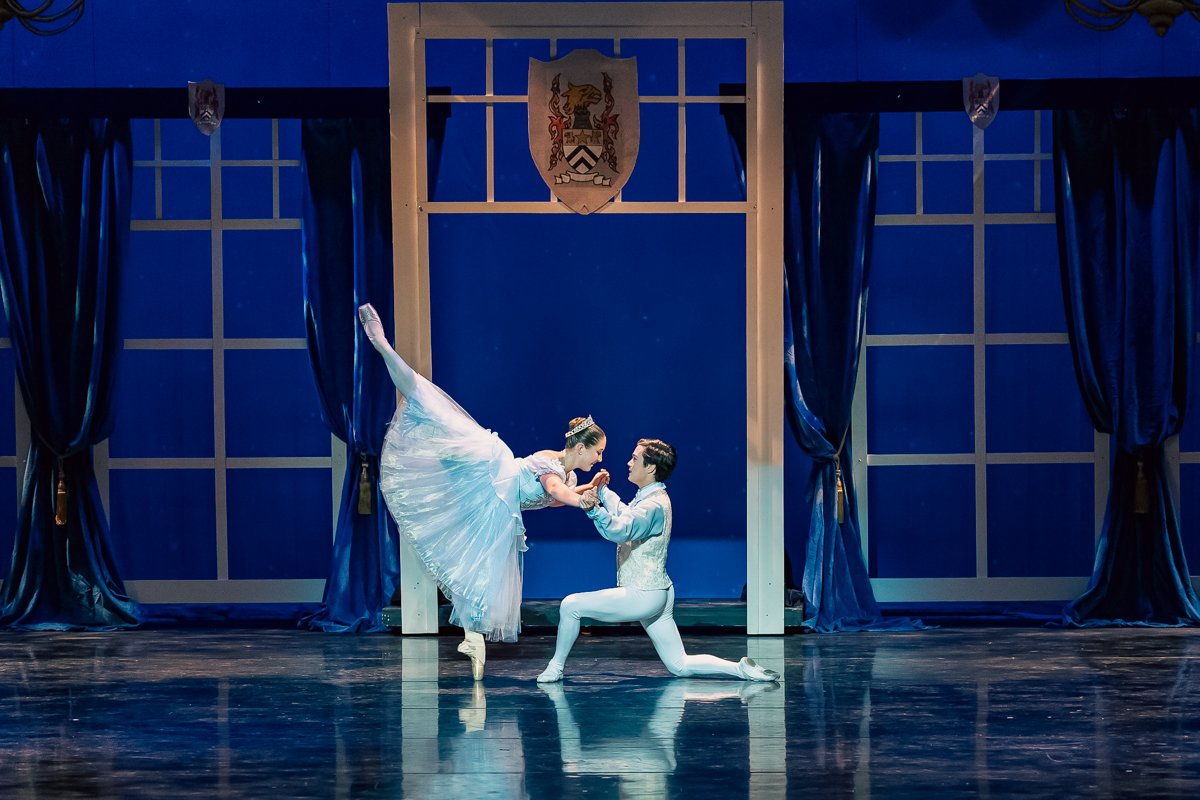
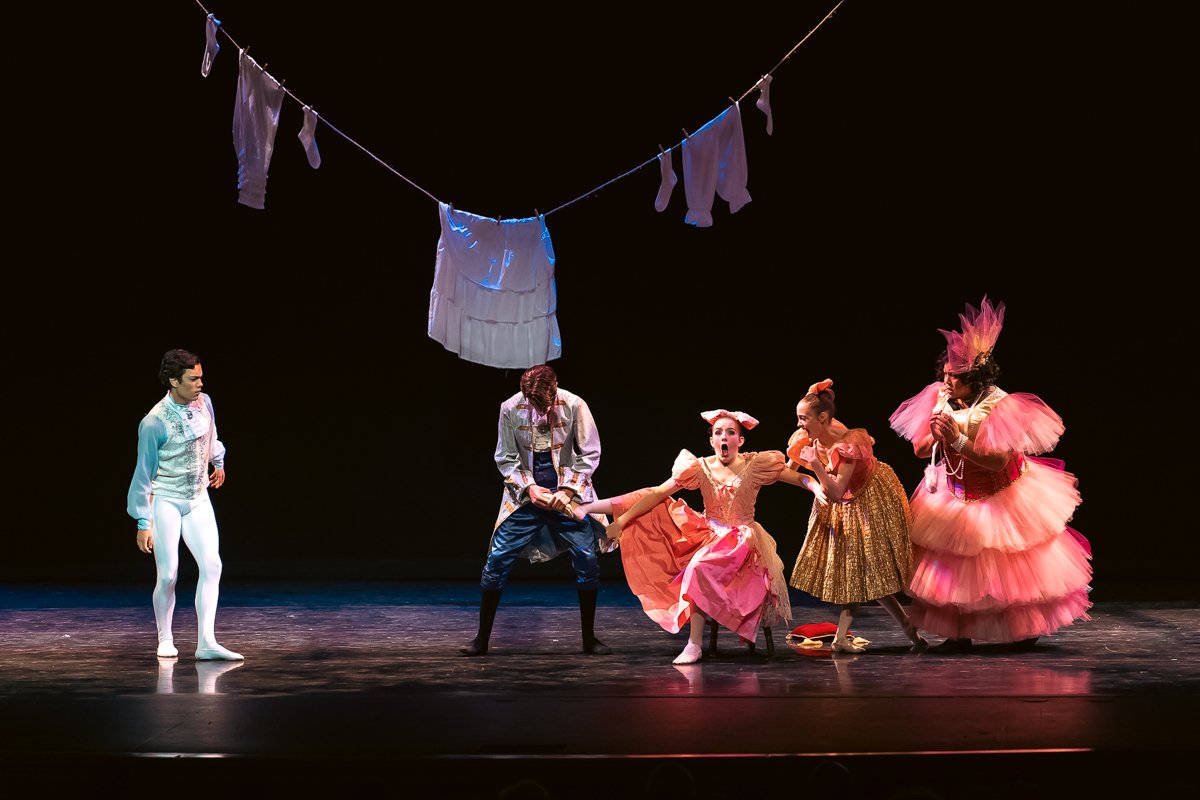
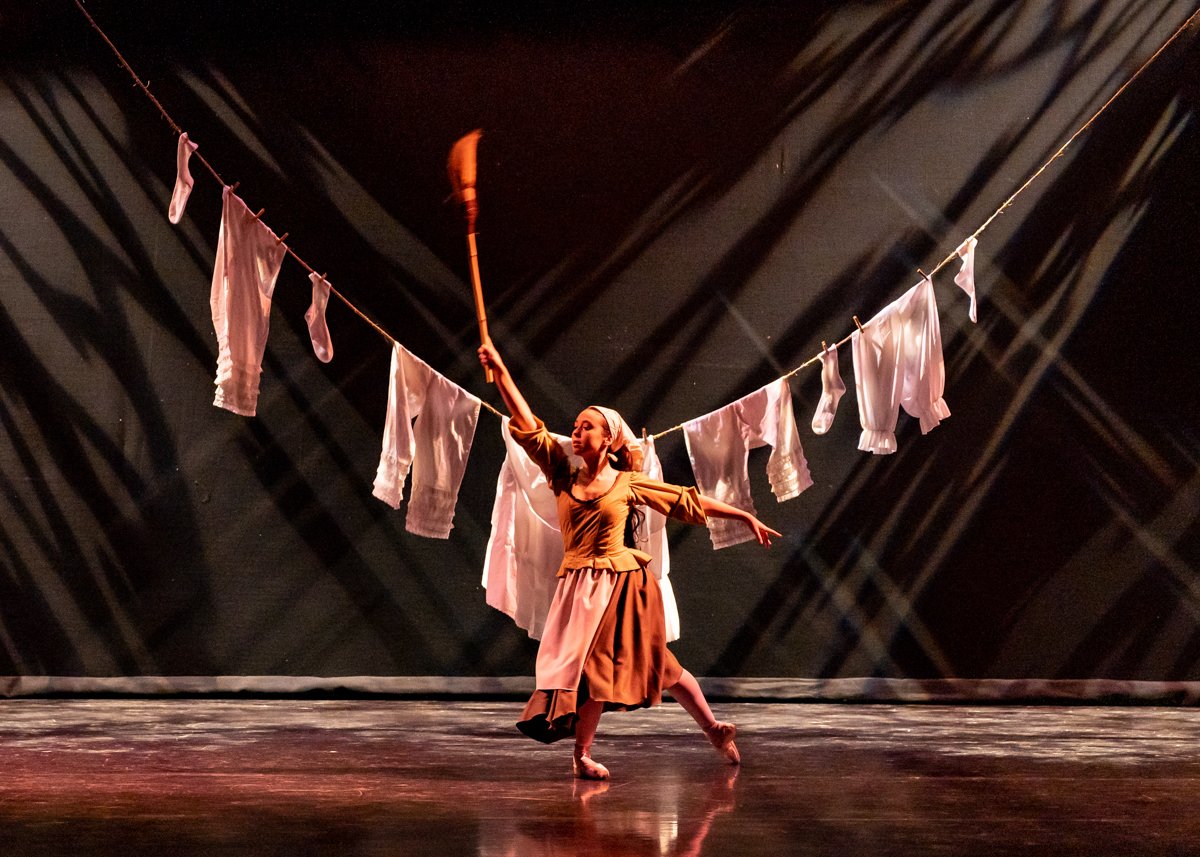
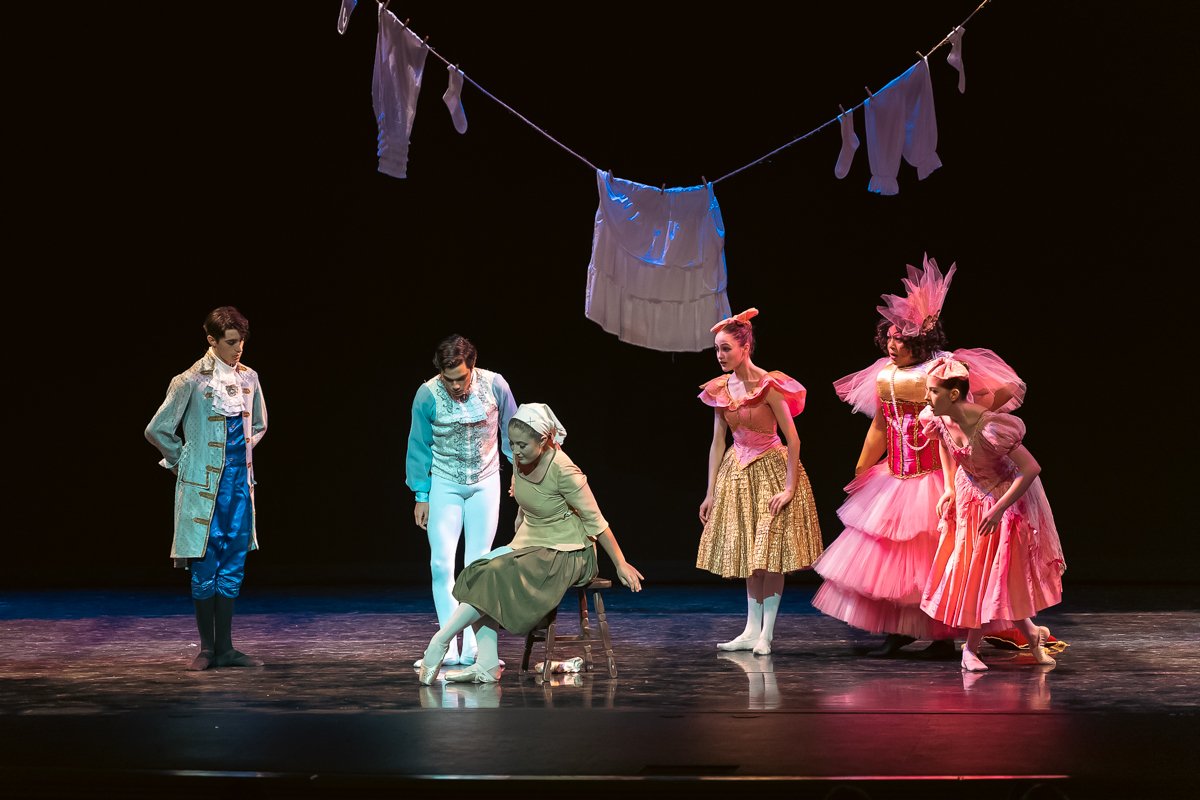
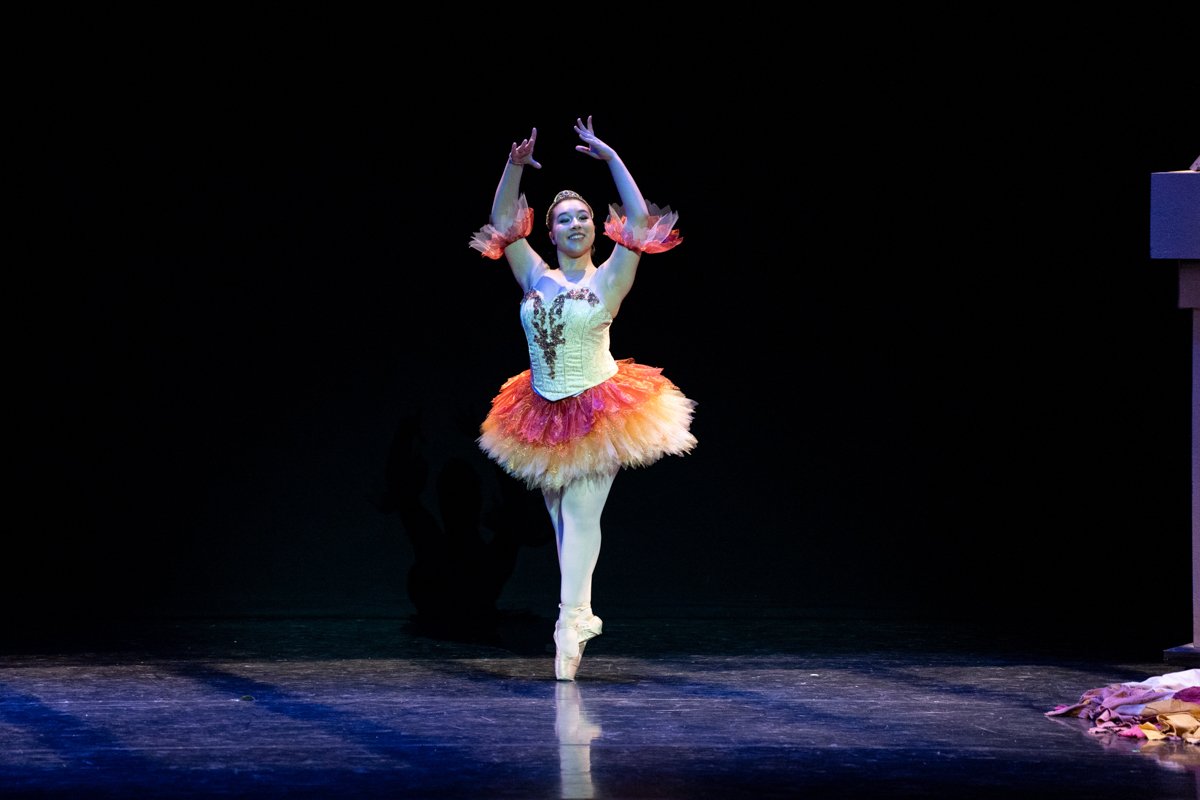
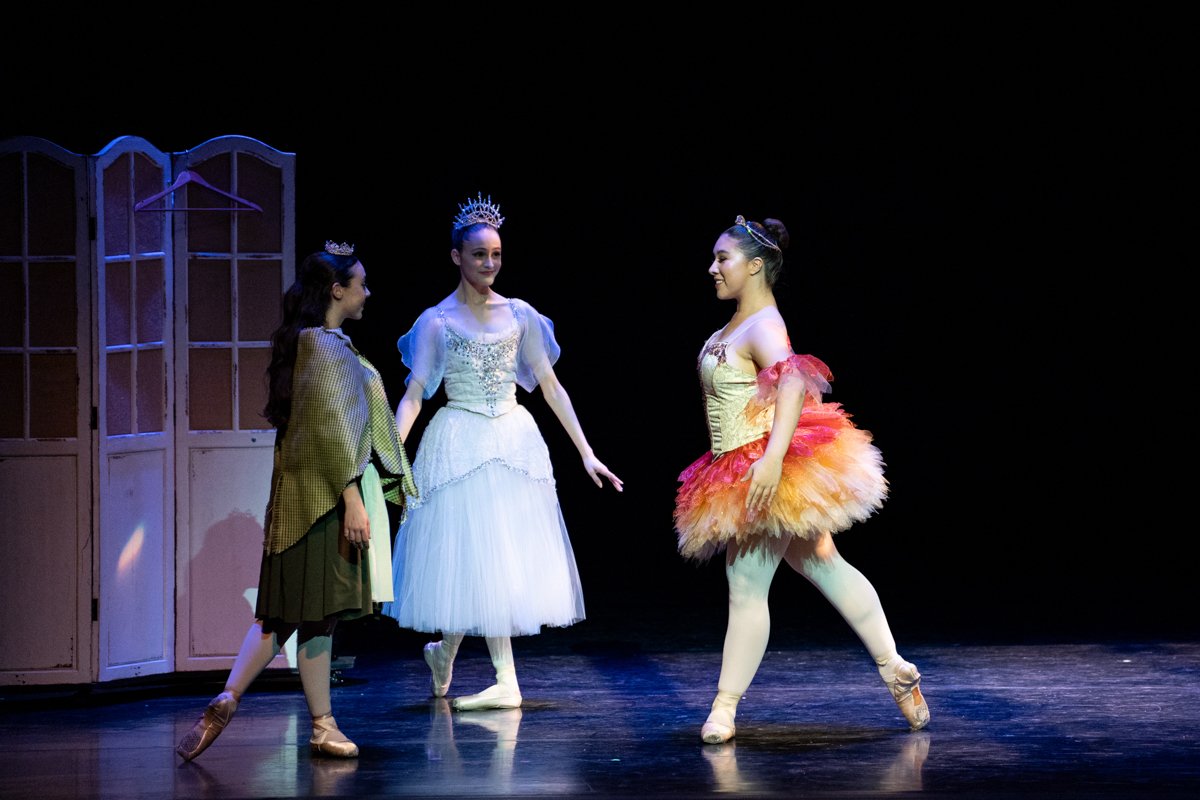
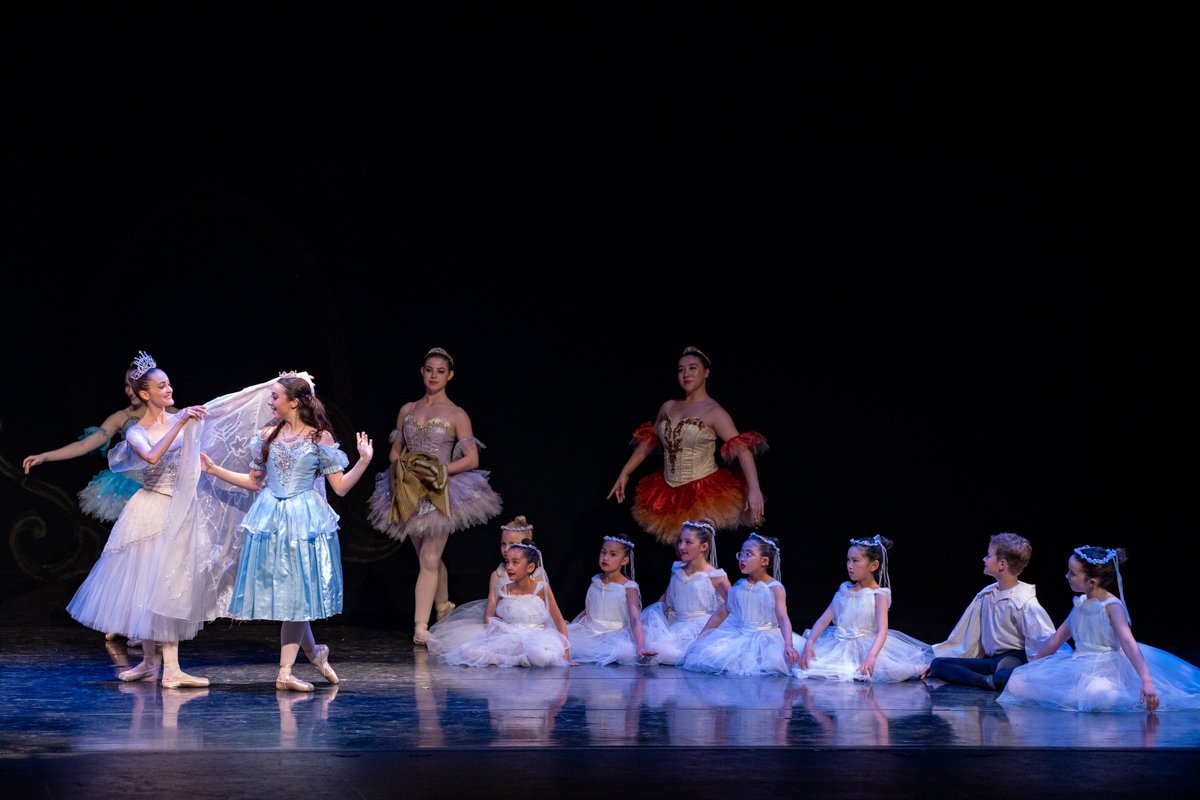
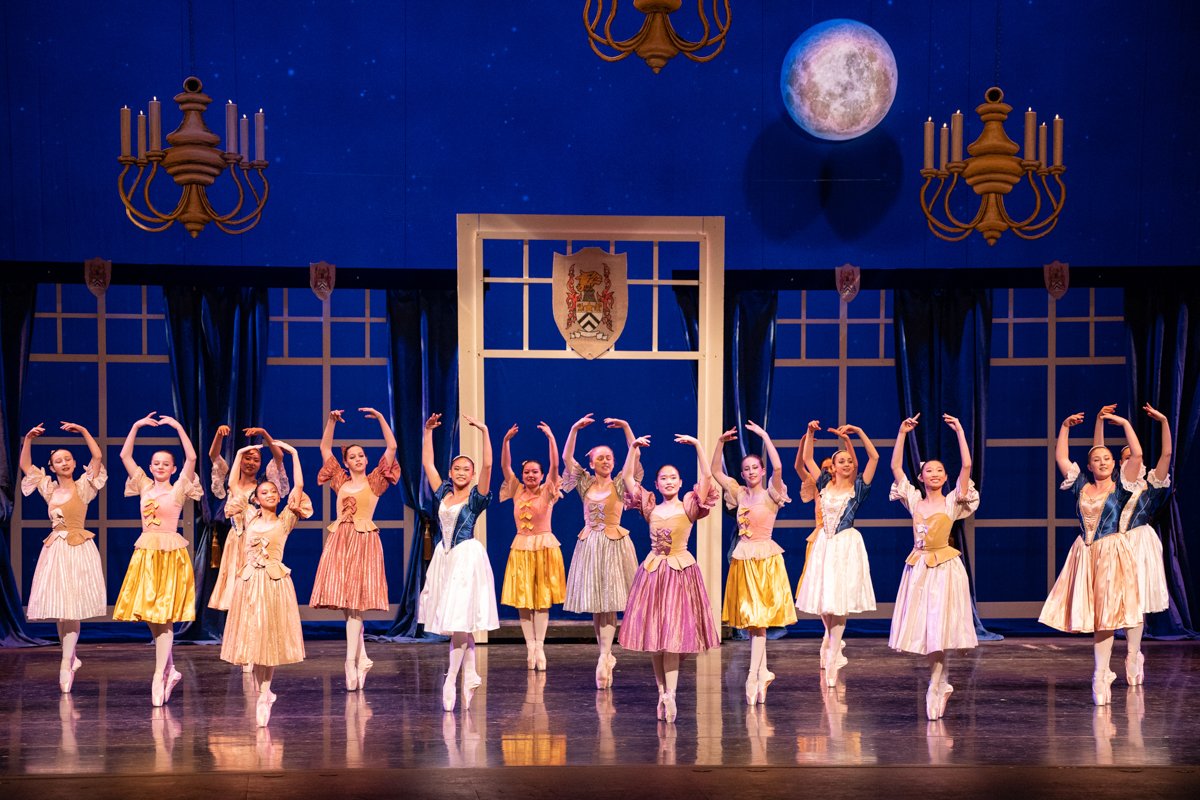
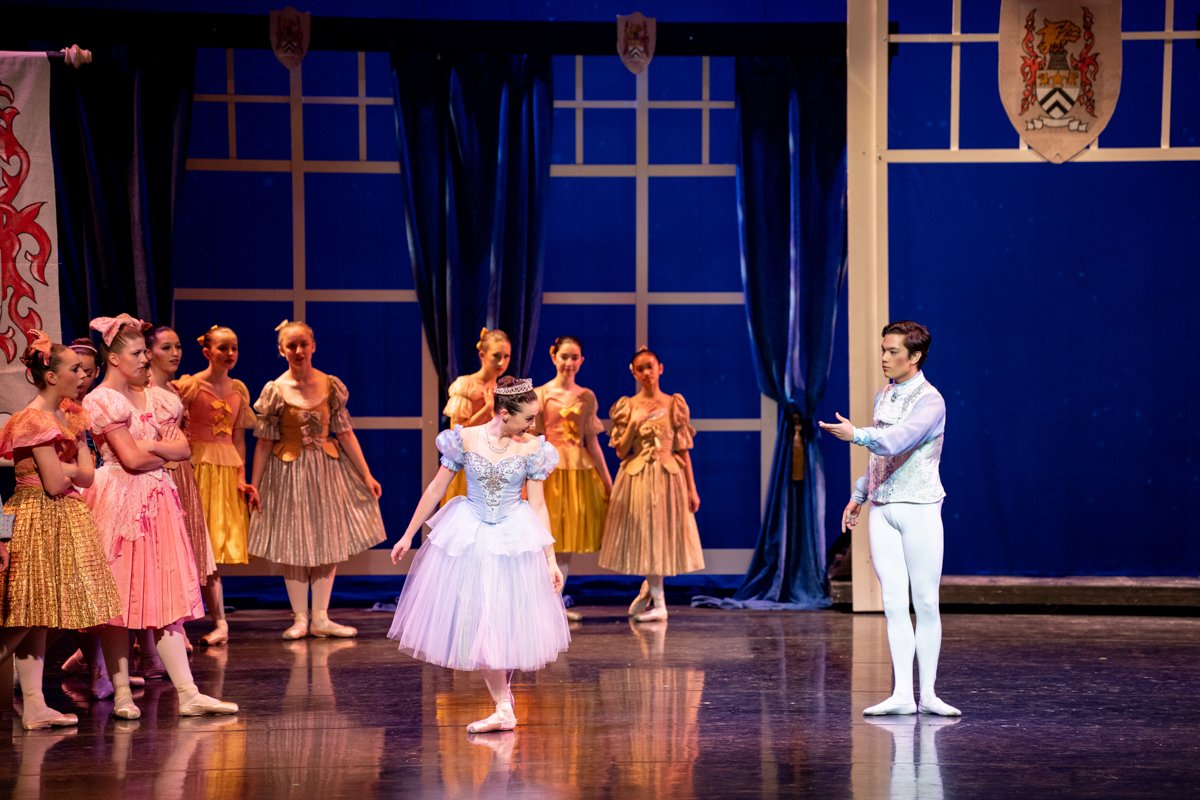
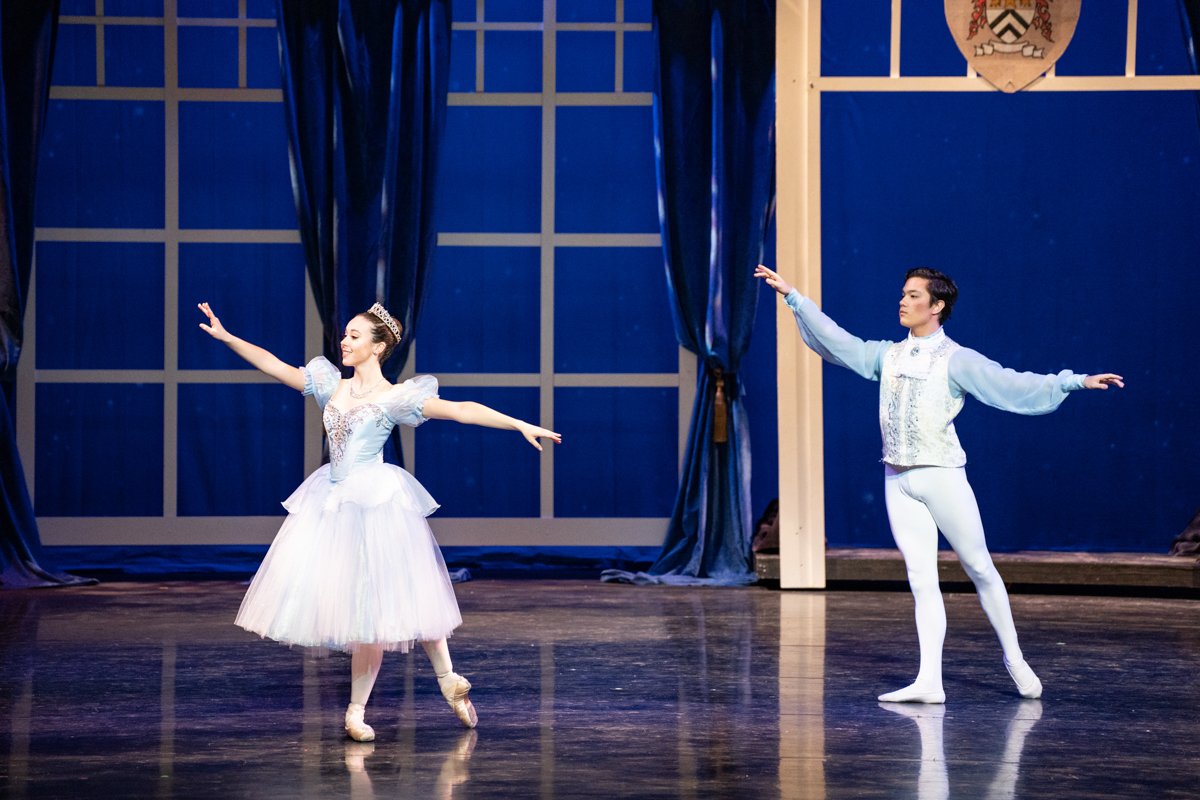
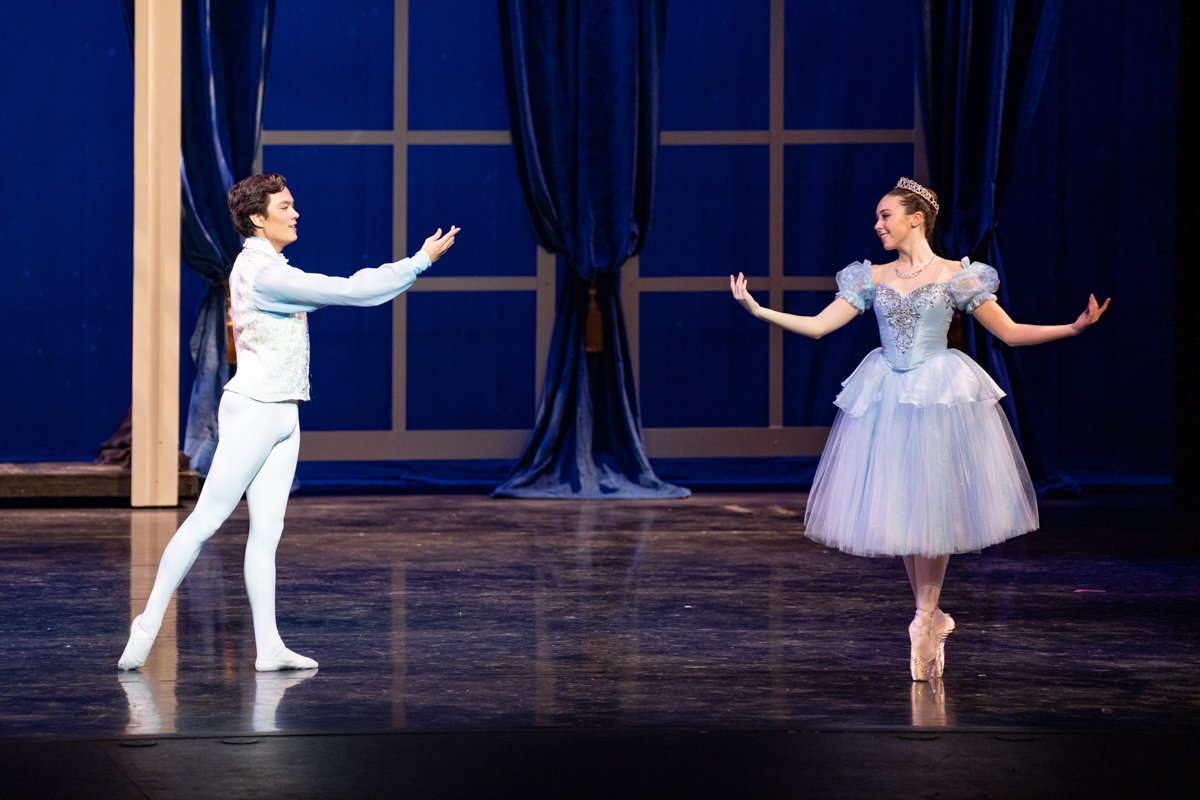
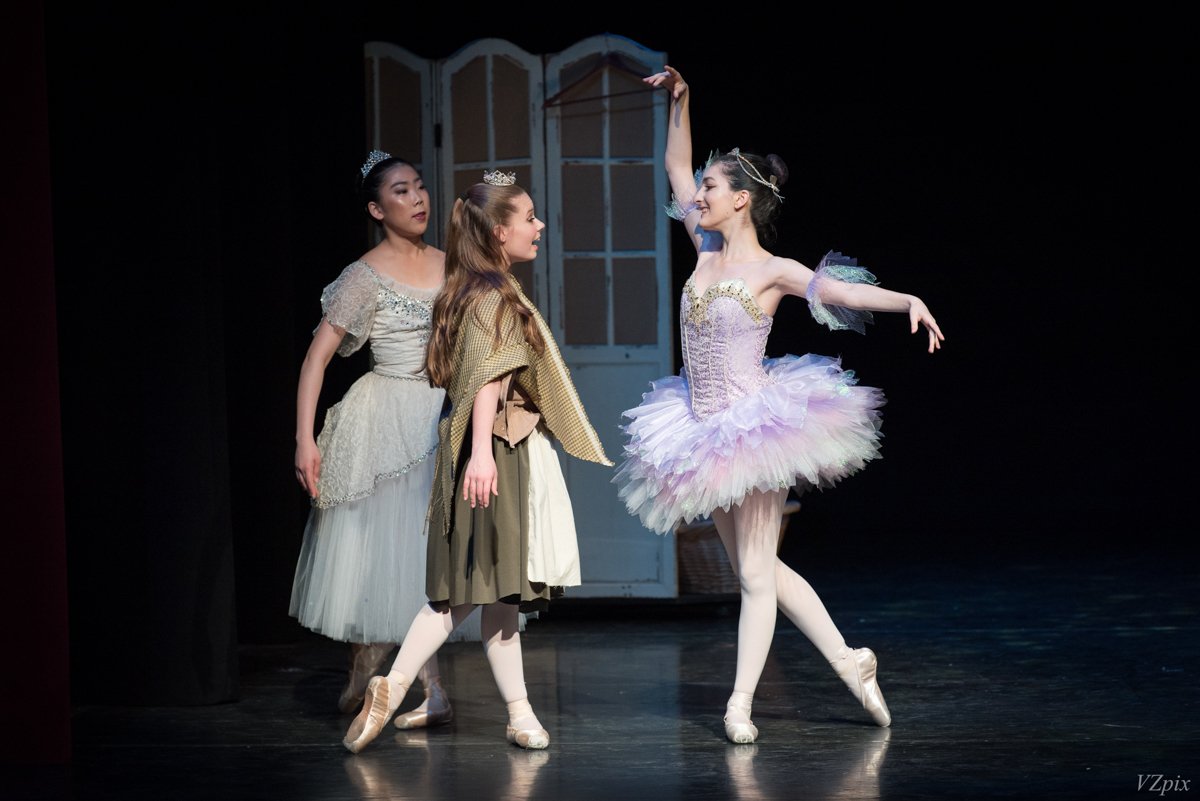
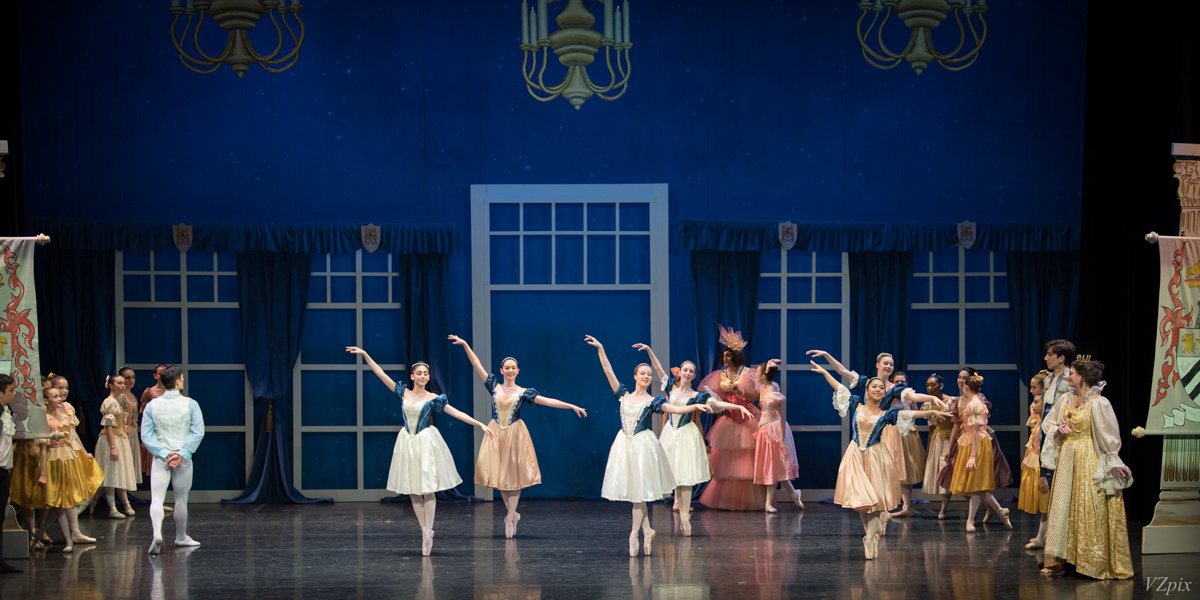
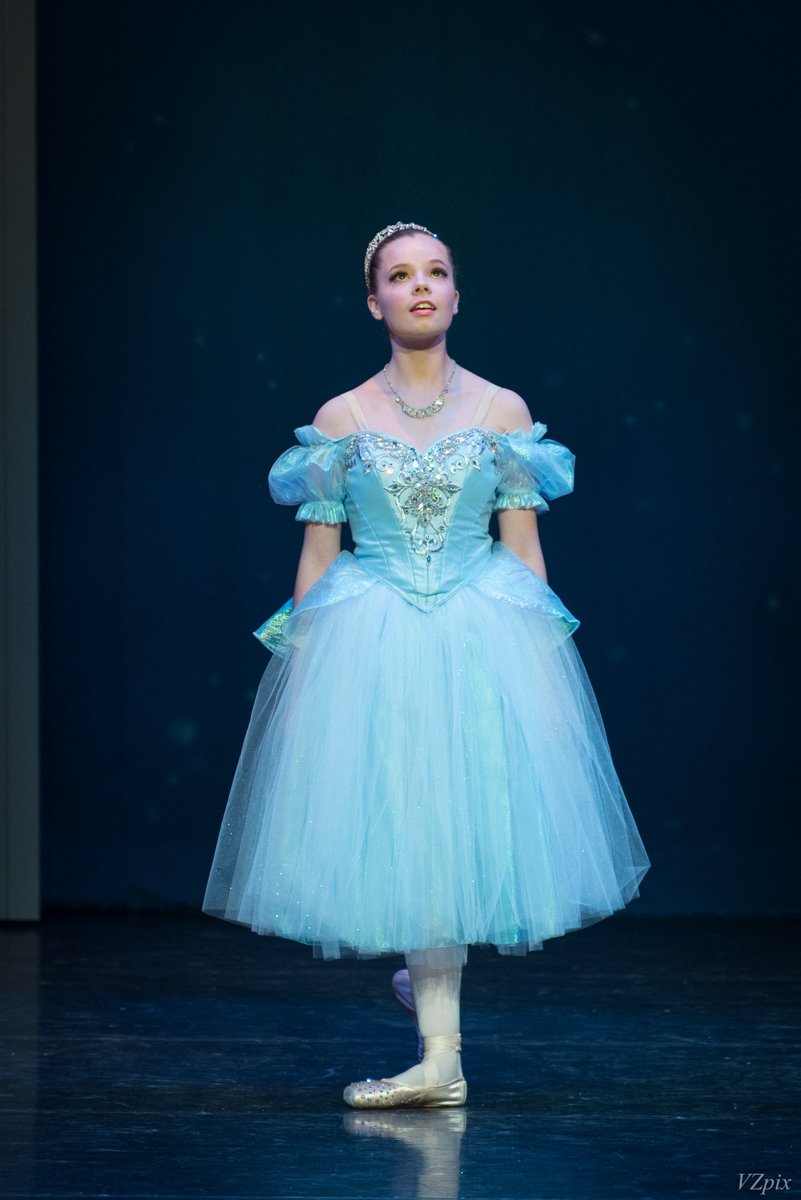
Cinderella follows the well known fairy tale of the same name. It has a more modern feeling than Coppélia, yet maintains a historical setting. The music by Prokofiev is some of the most beautiful ballet music ever written.
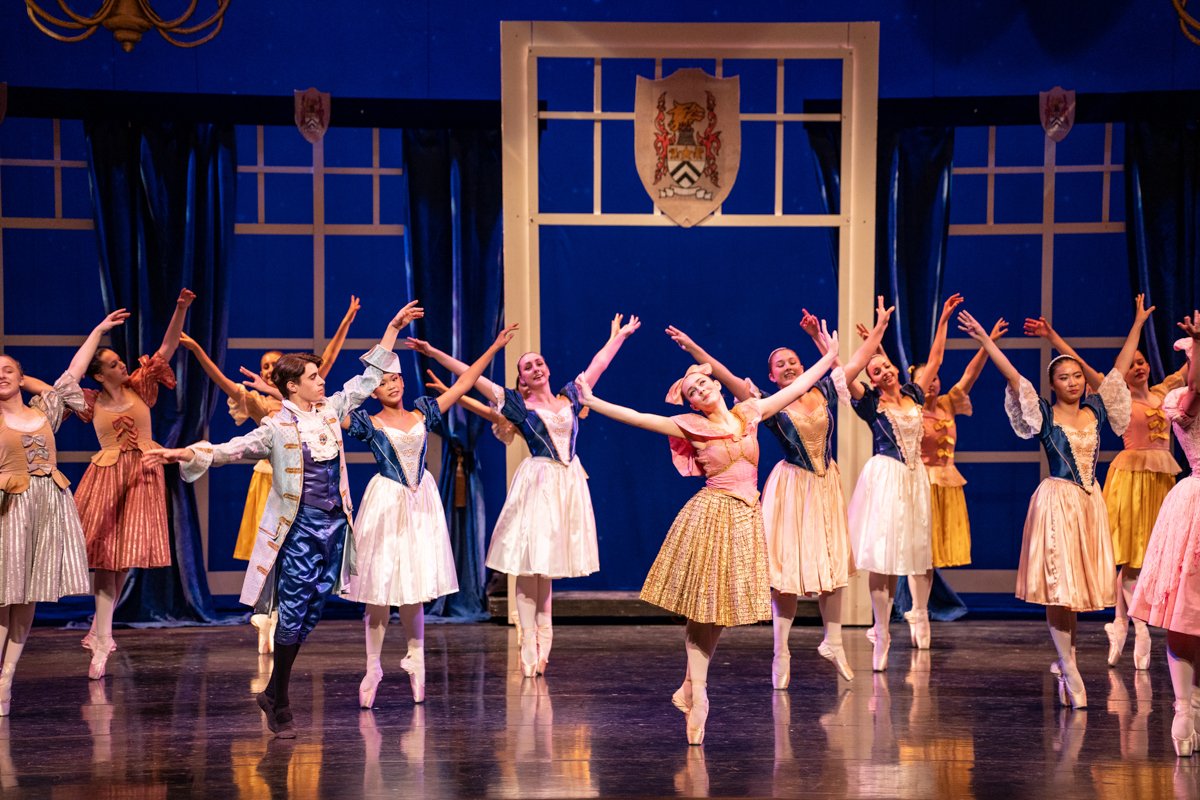
Cinderella is a more modern, twentieth-century story ballet choreographed by Artistic Directors Martha and Toby. It features dramatic dance acting and classical steps, but remains outside of the traditional format of classical ballet.
-
Once upon a time...
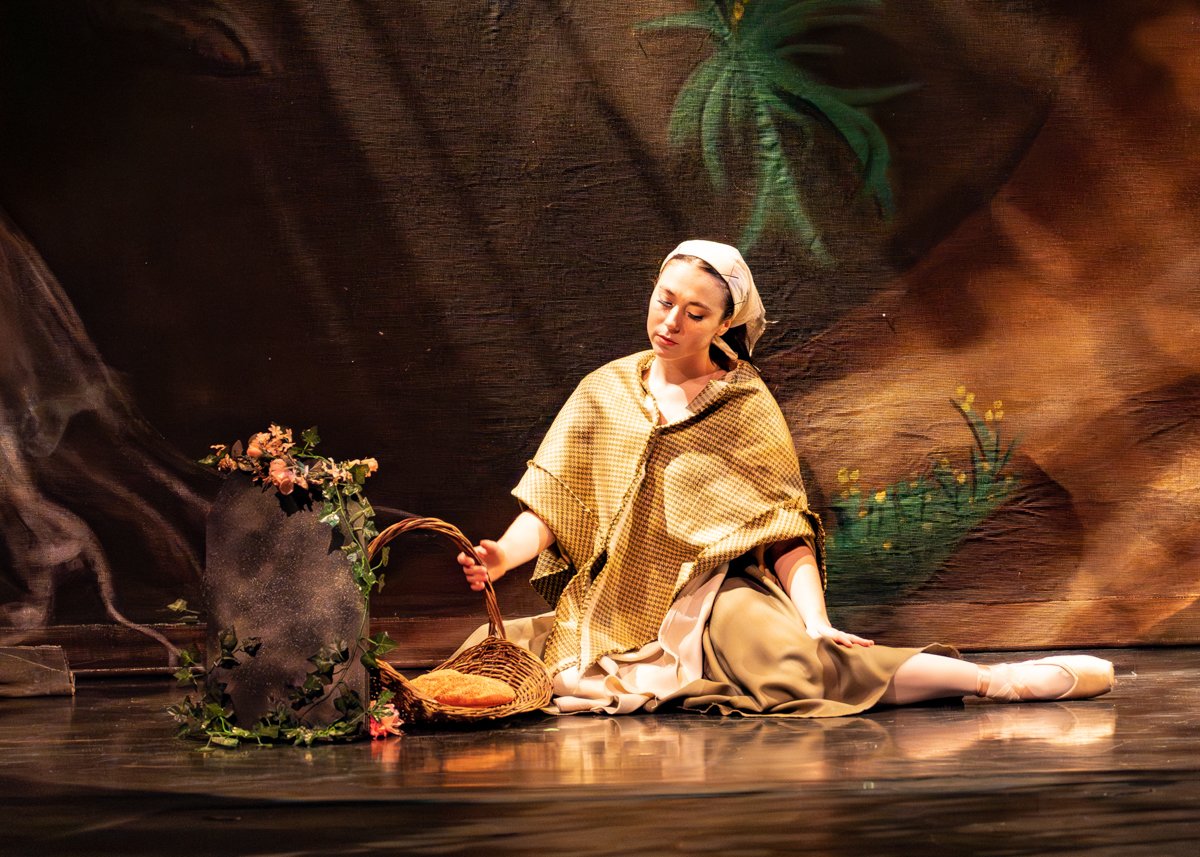
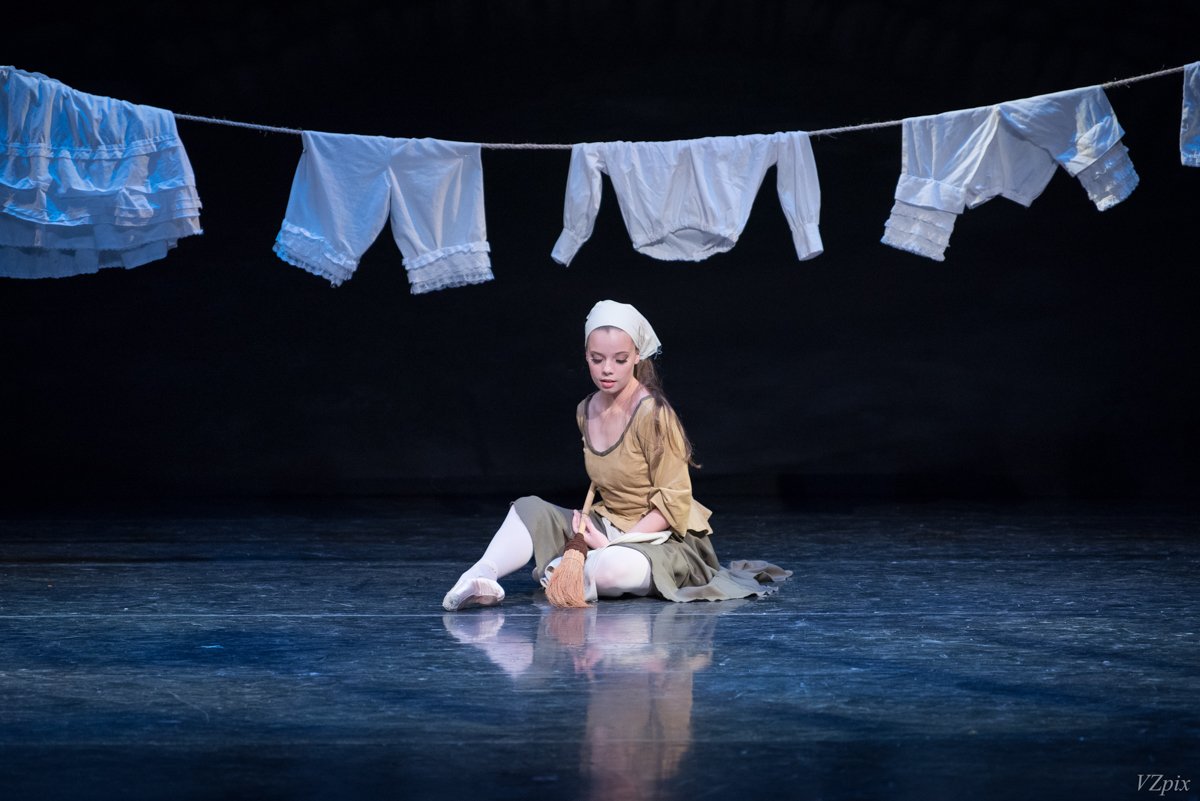
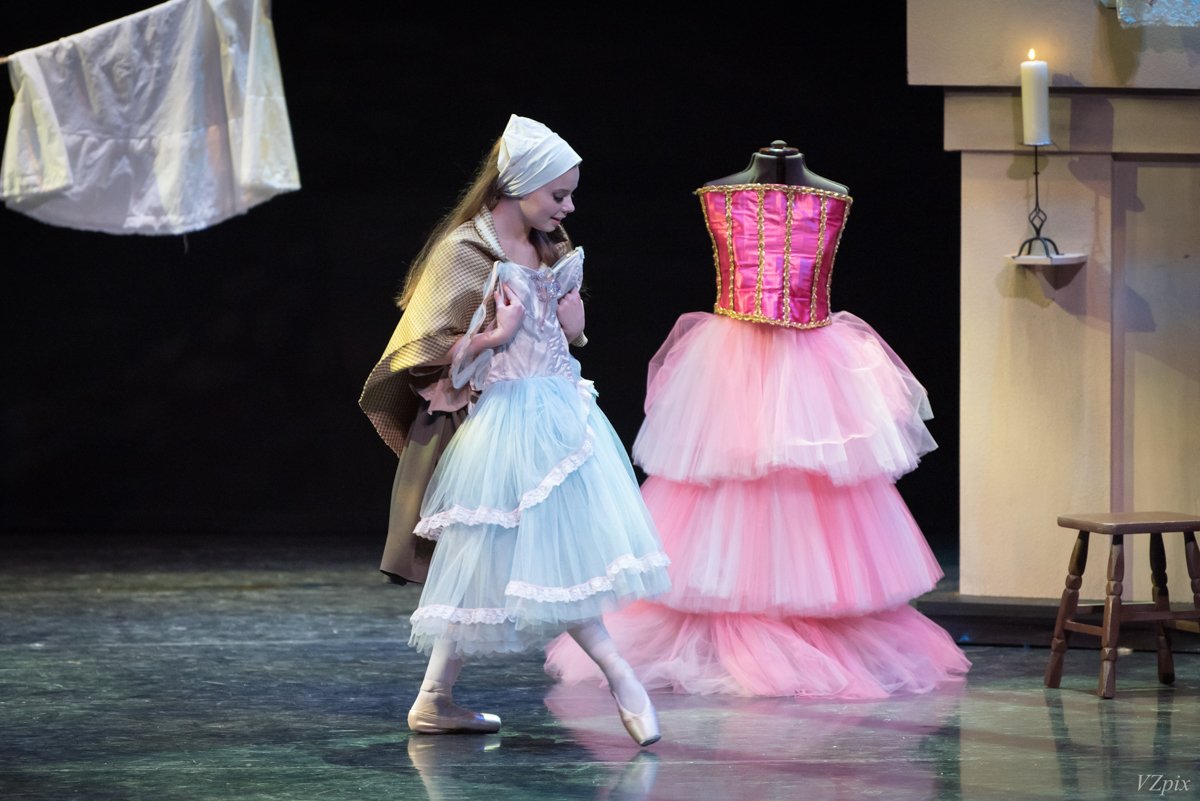
The world of the beautiful, kind-hearted Cinderella has been turned upside-down following the death of her father, as she has been forced into servitude by her selfish and greedy stepmother.
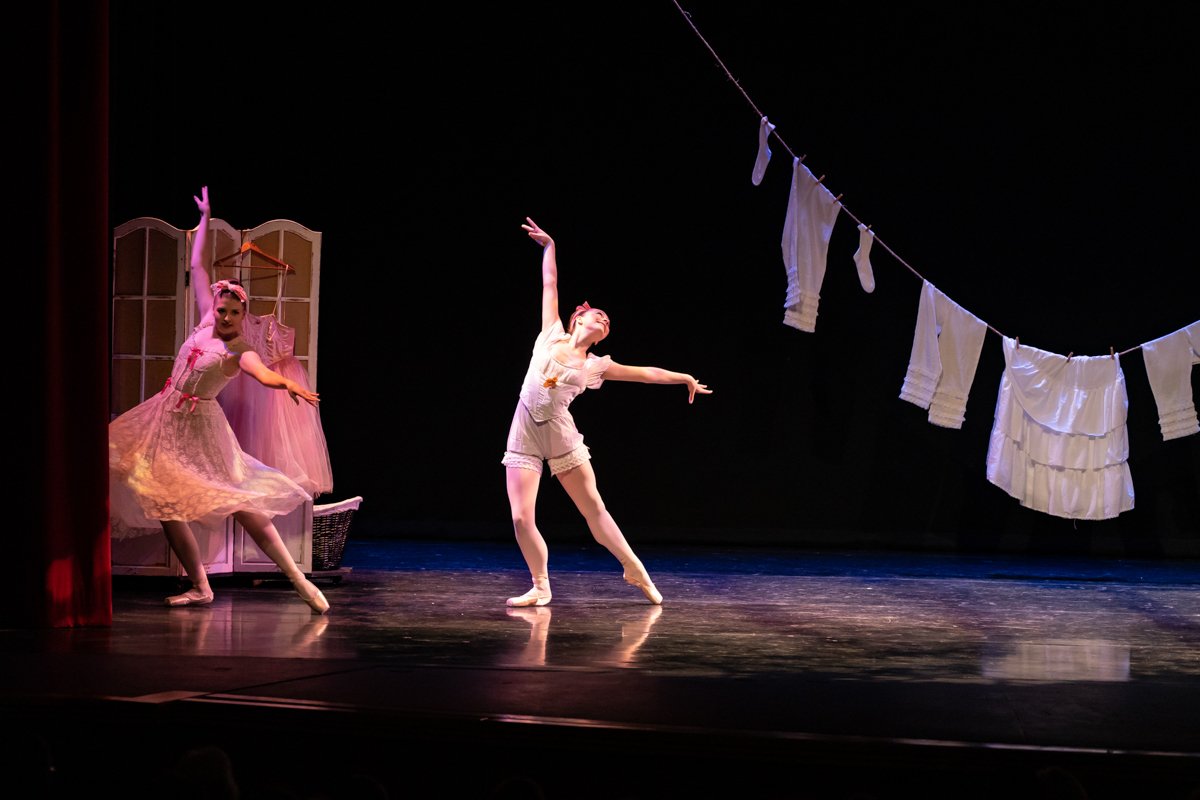
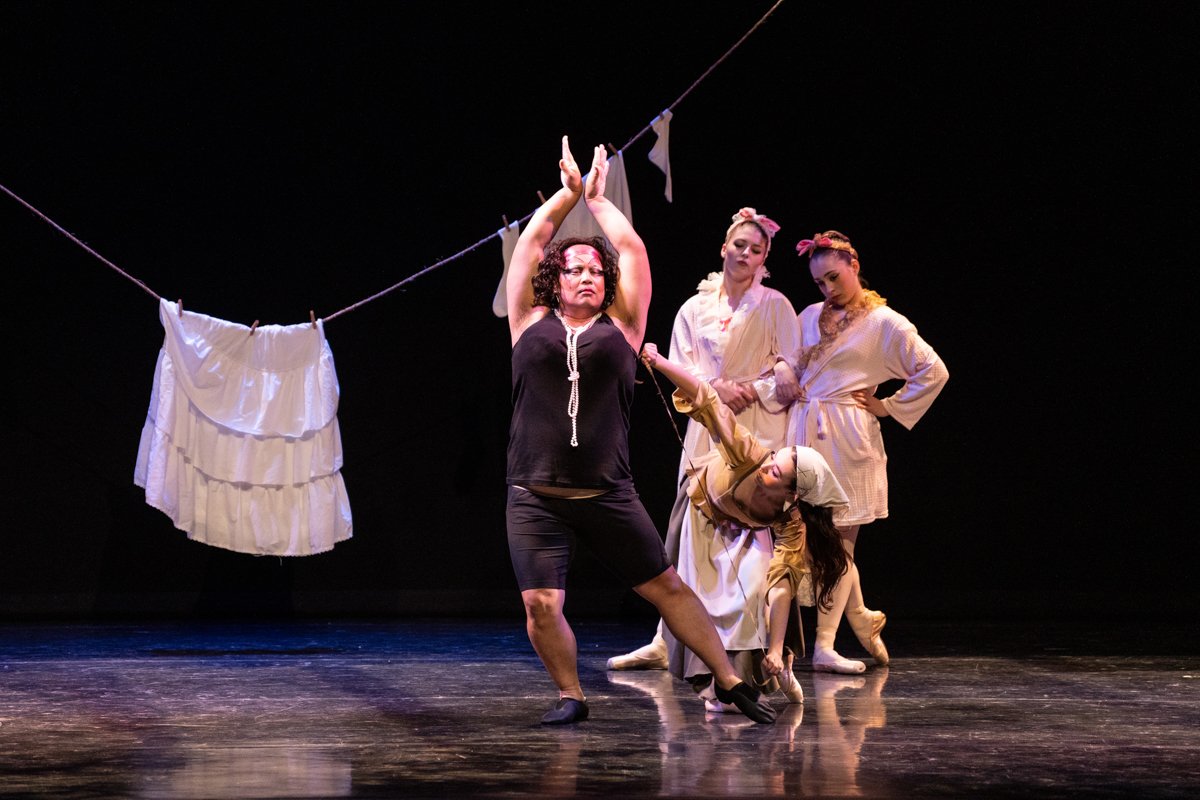
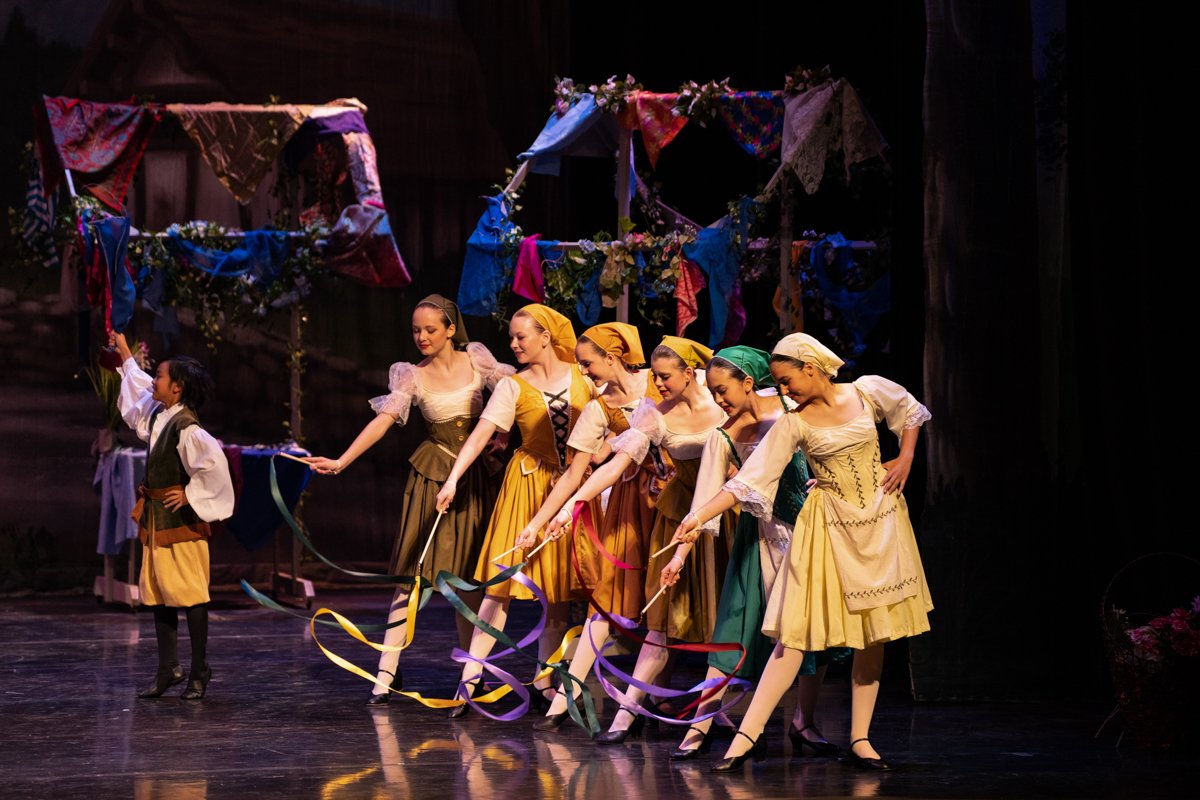
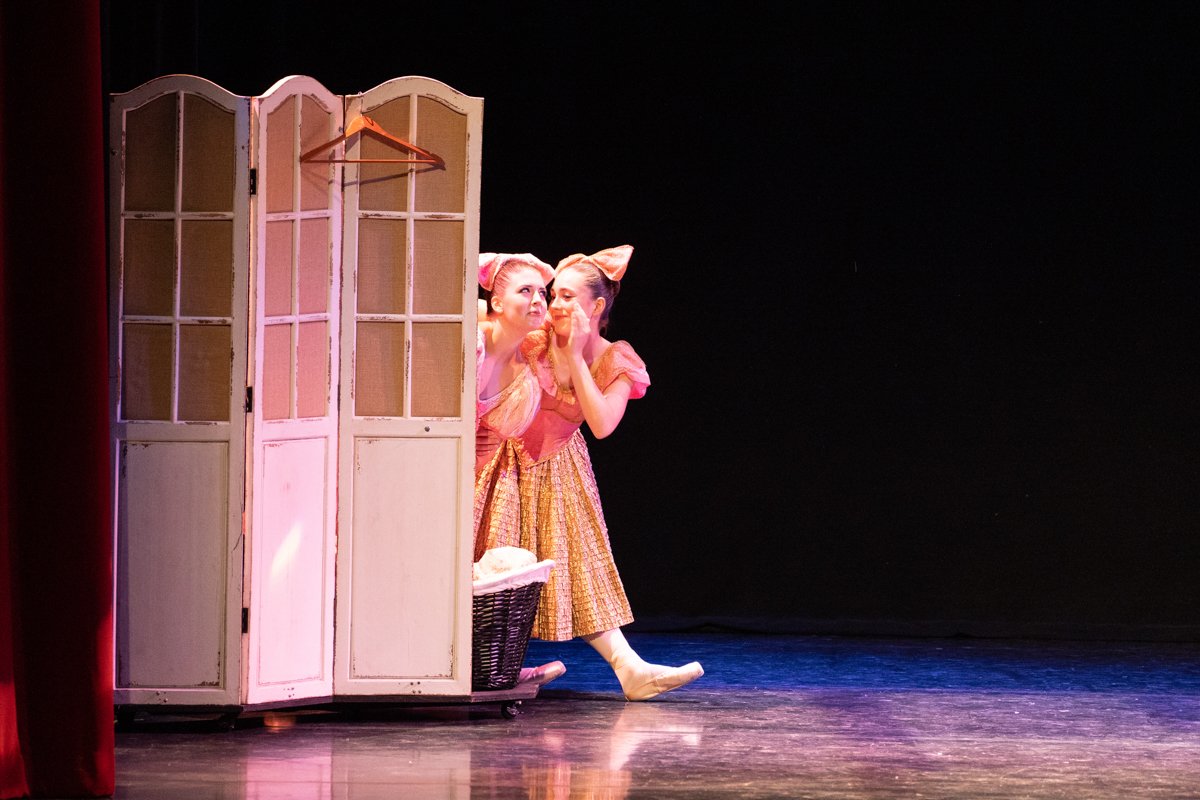
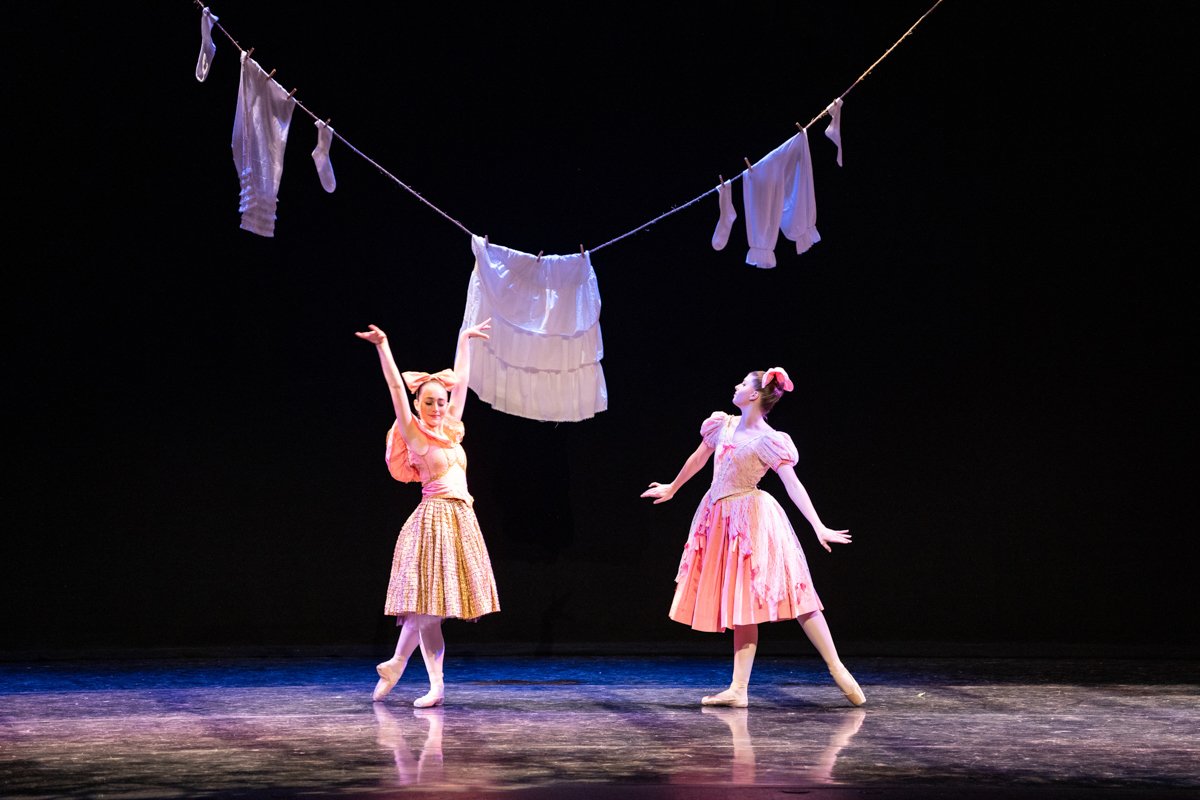
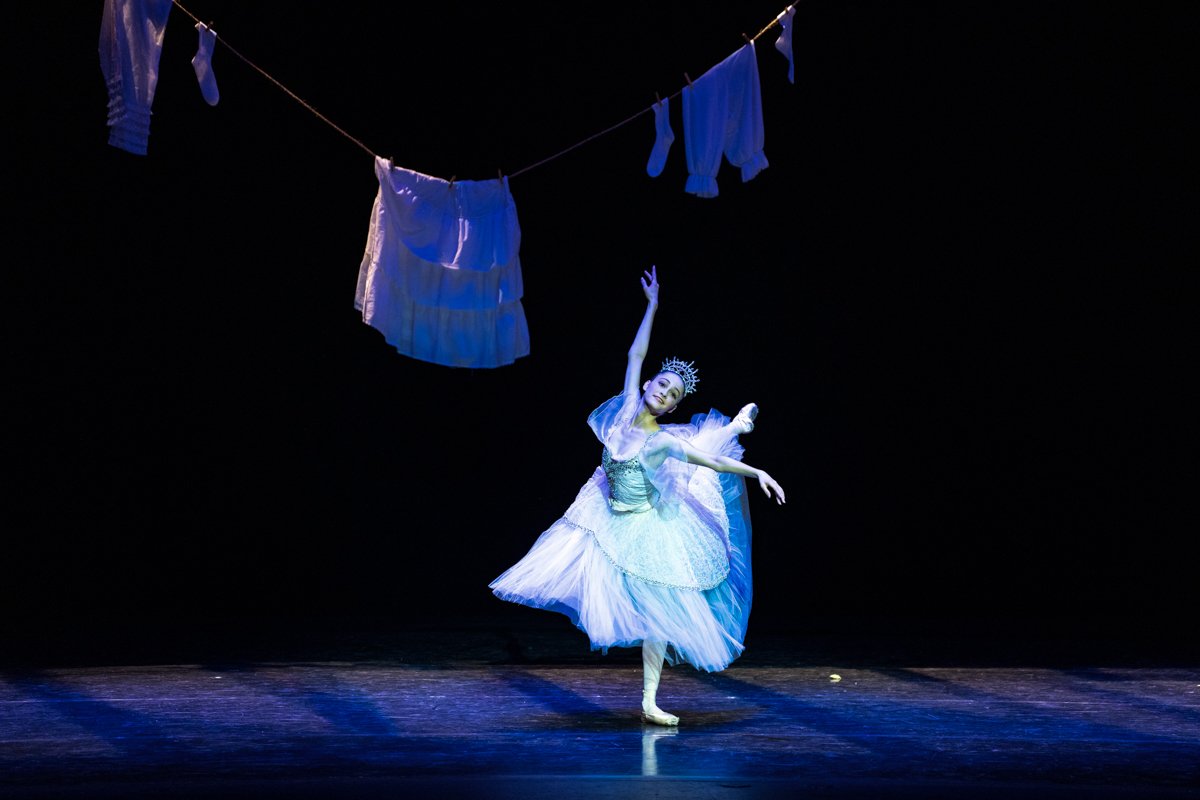
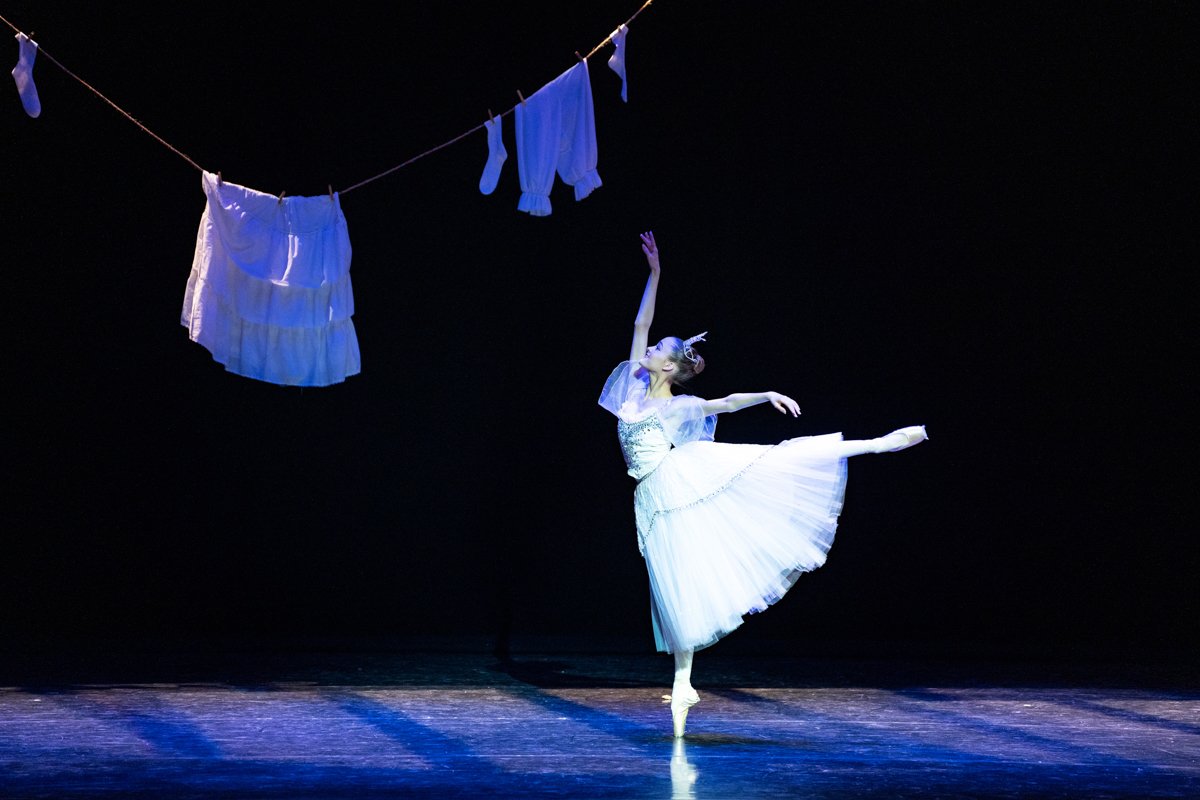
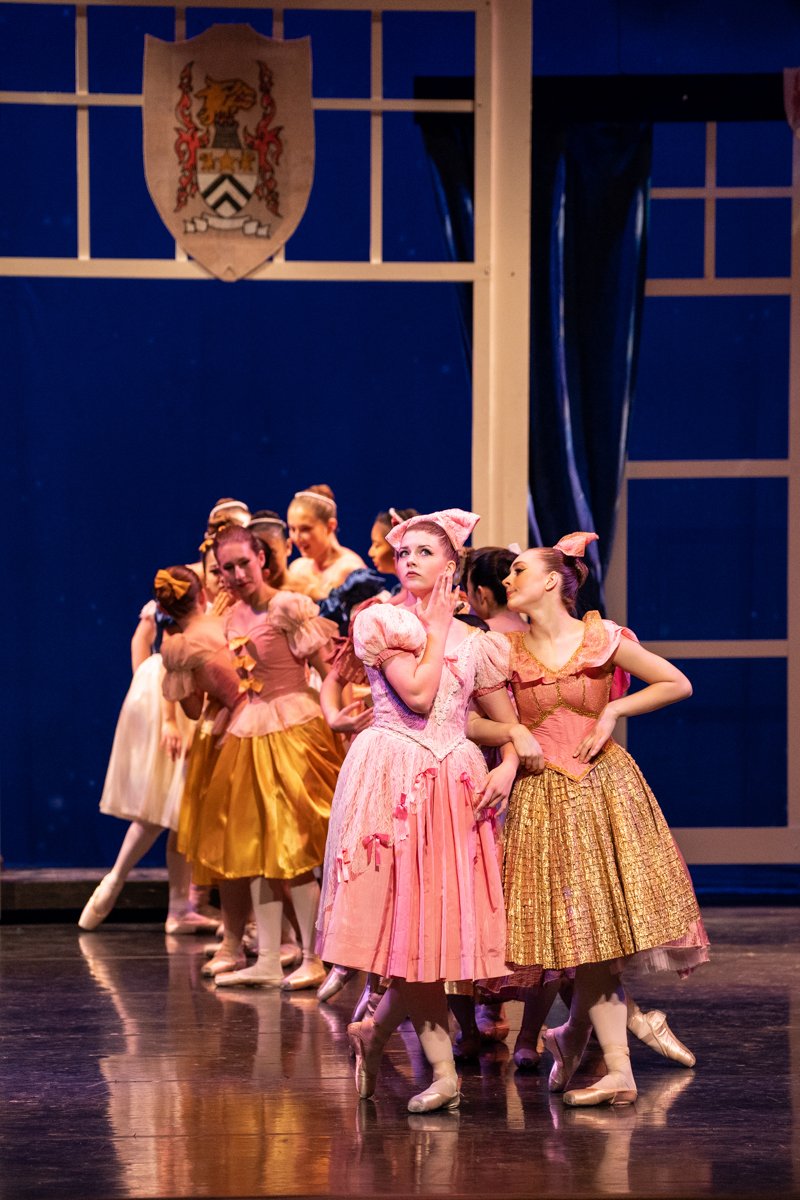
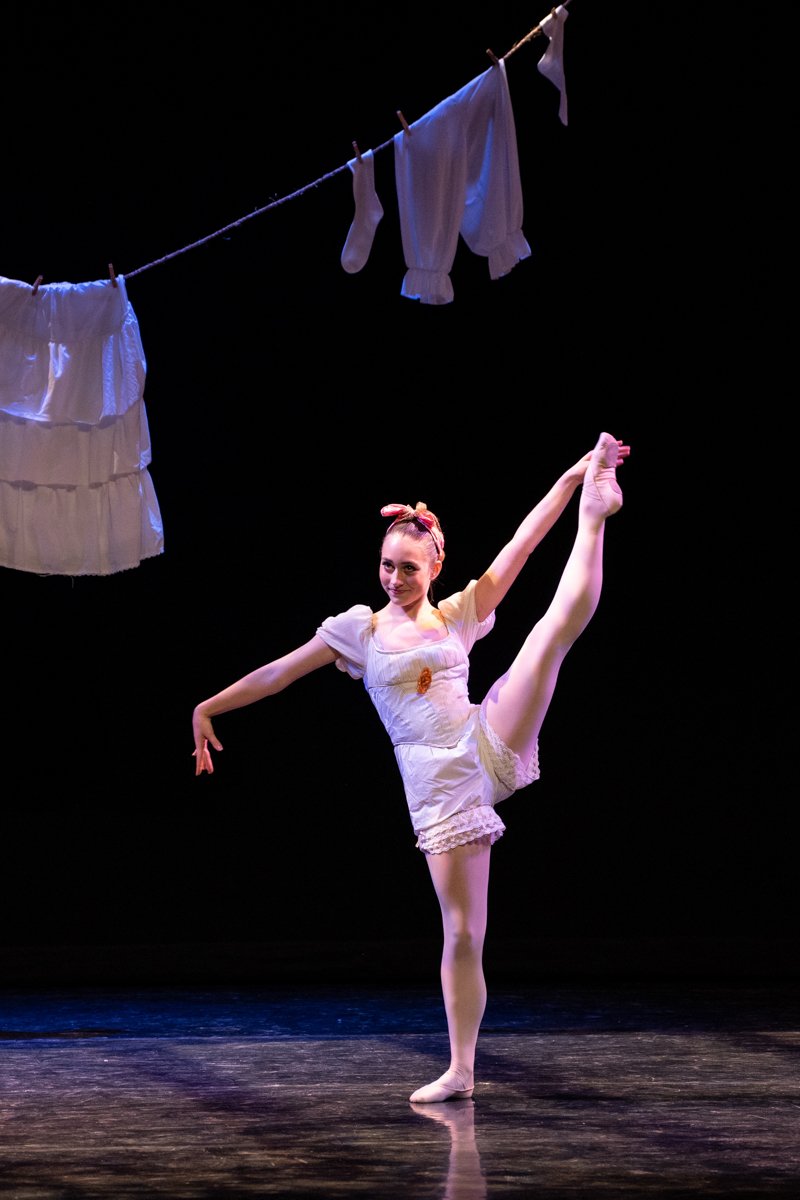
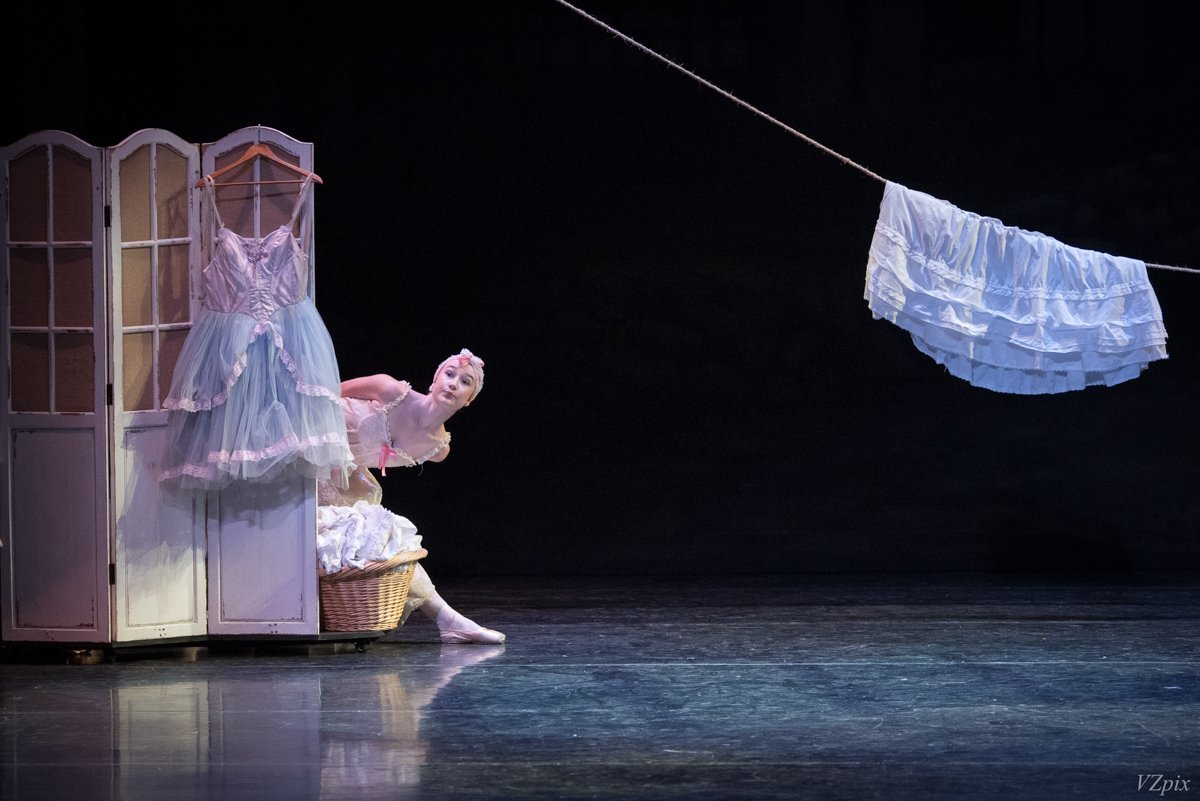
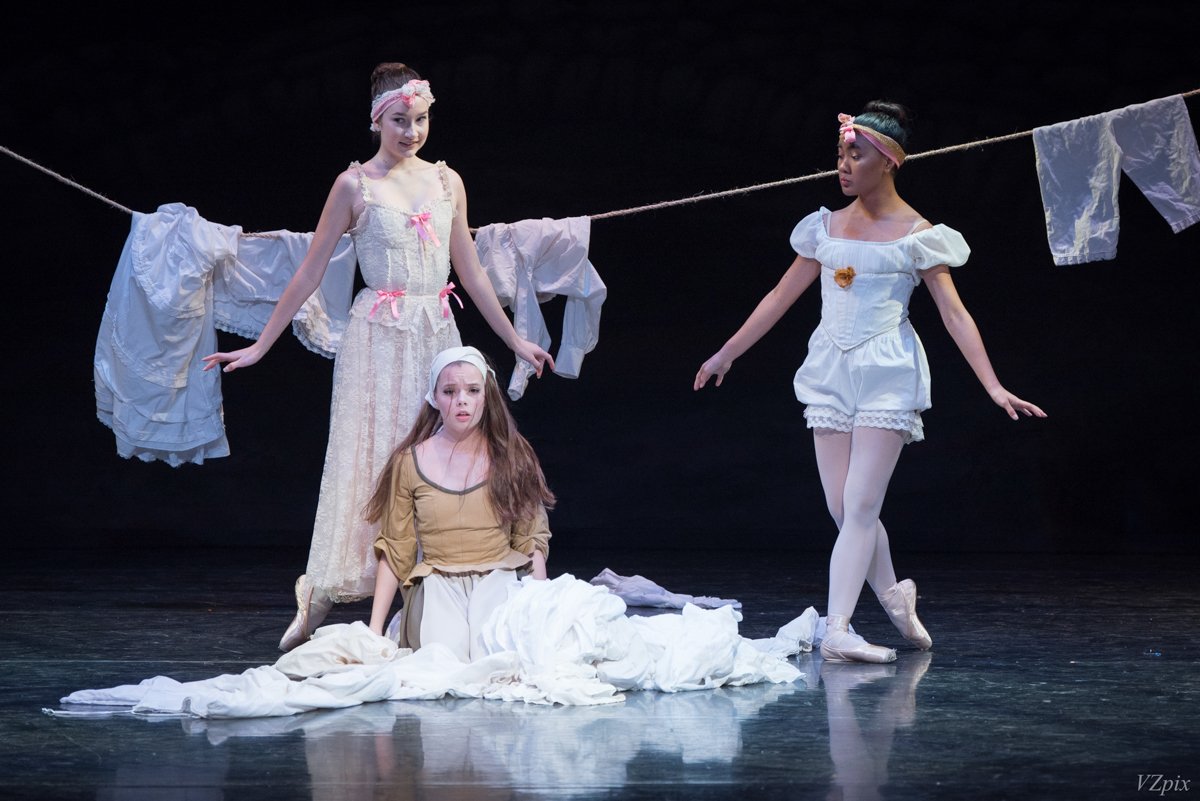
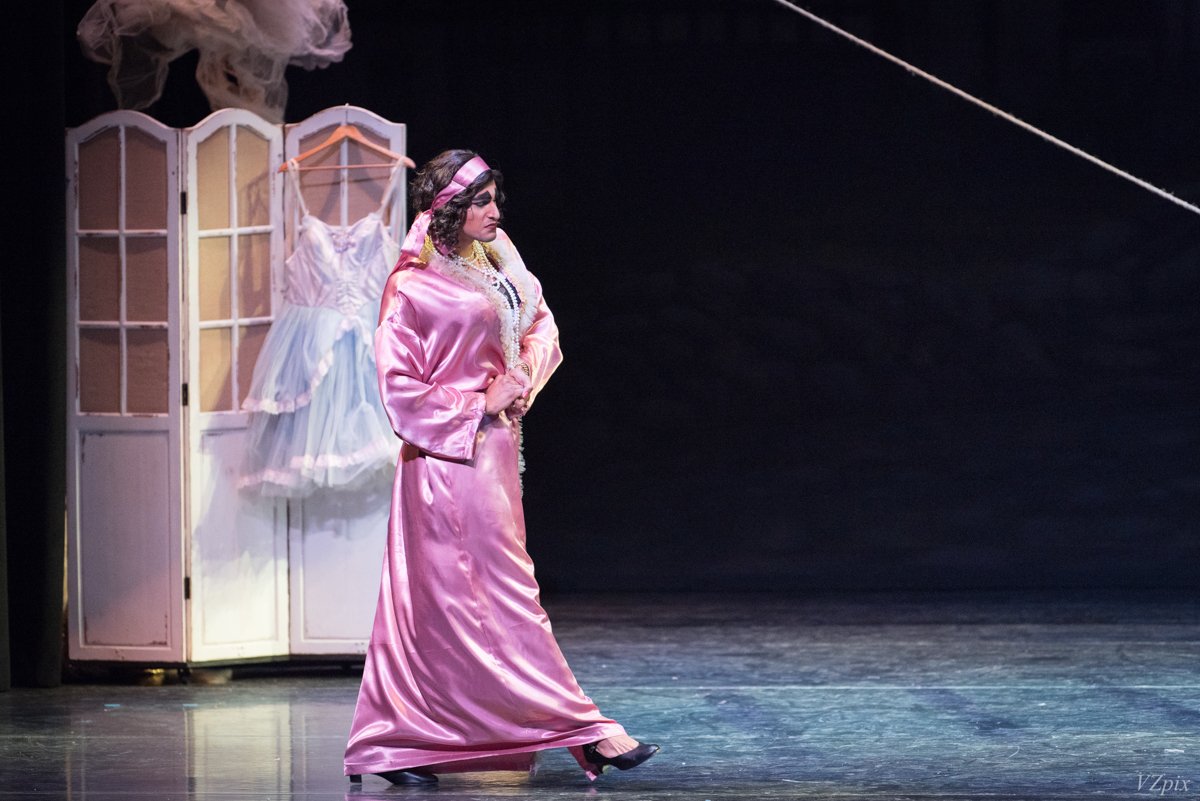
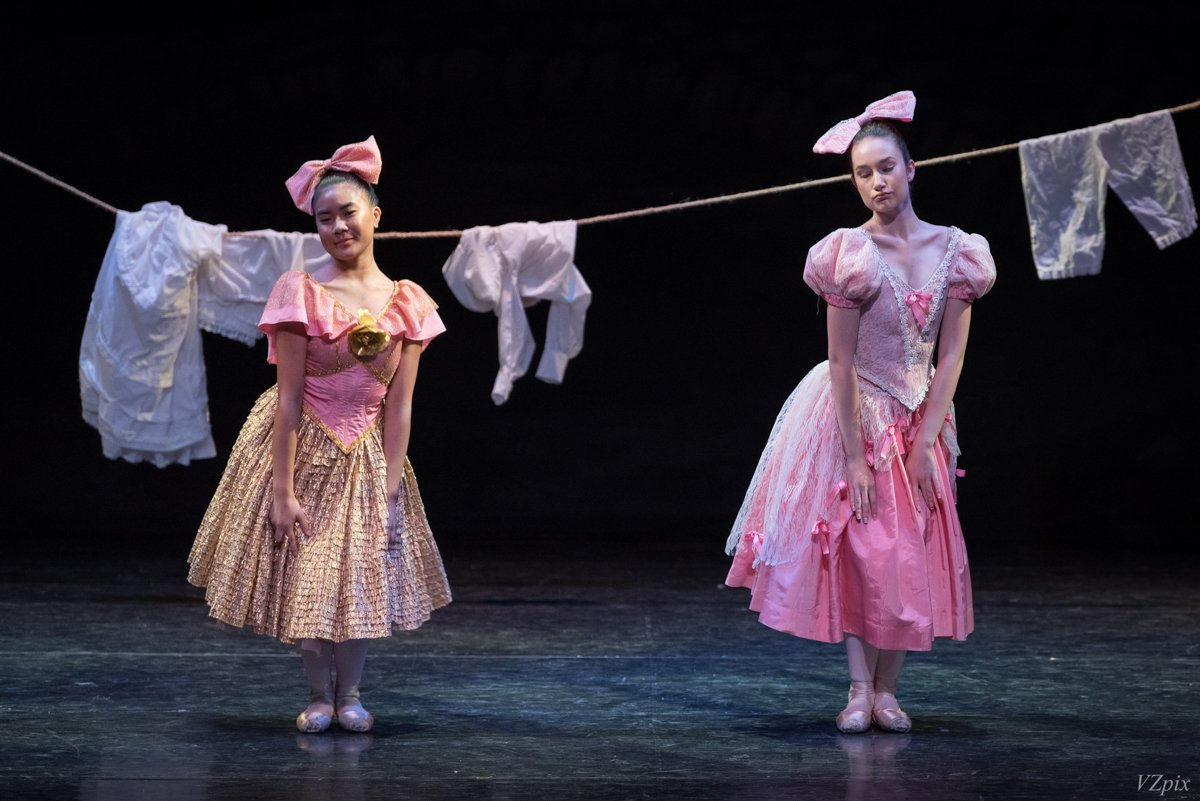
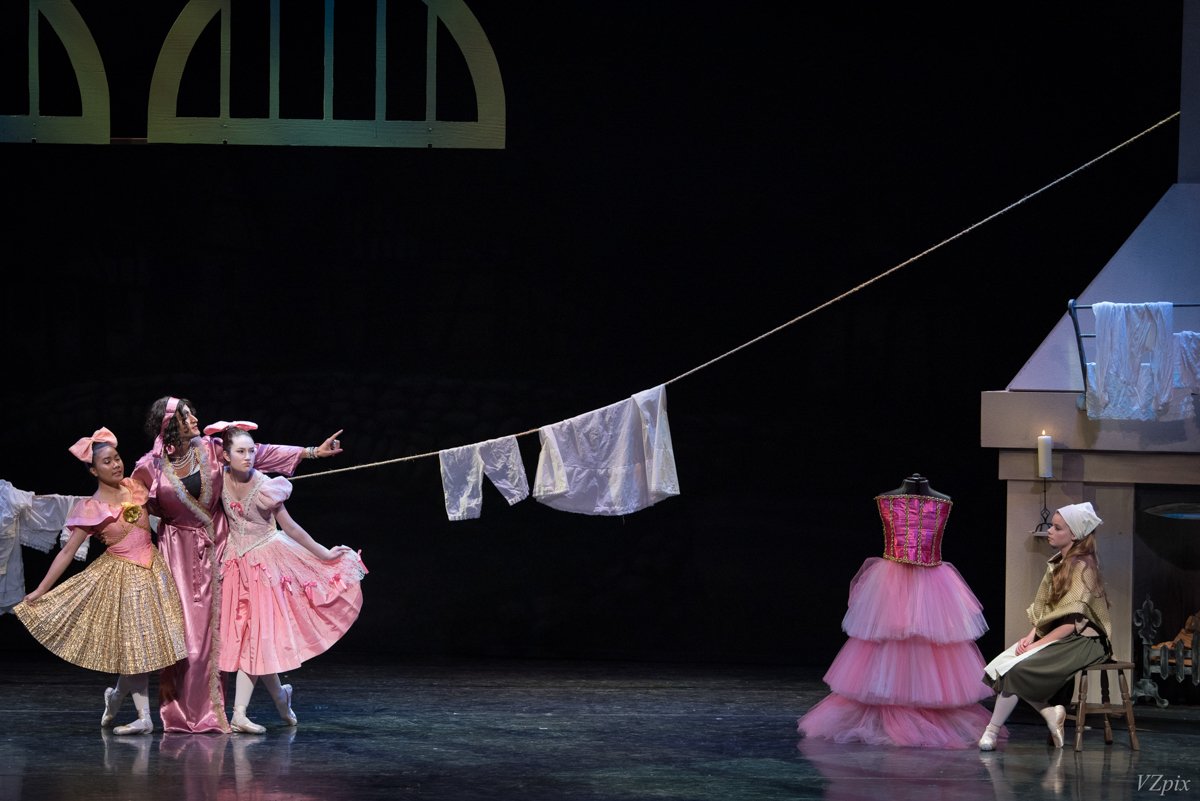
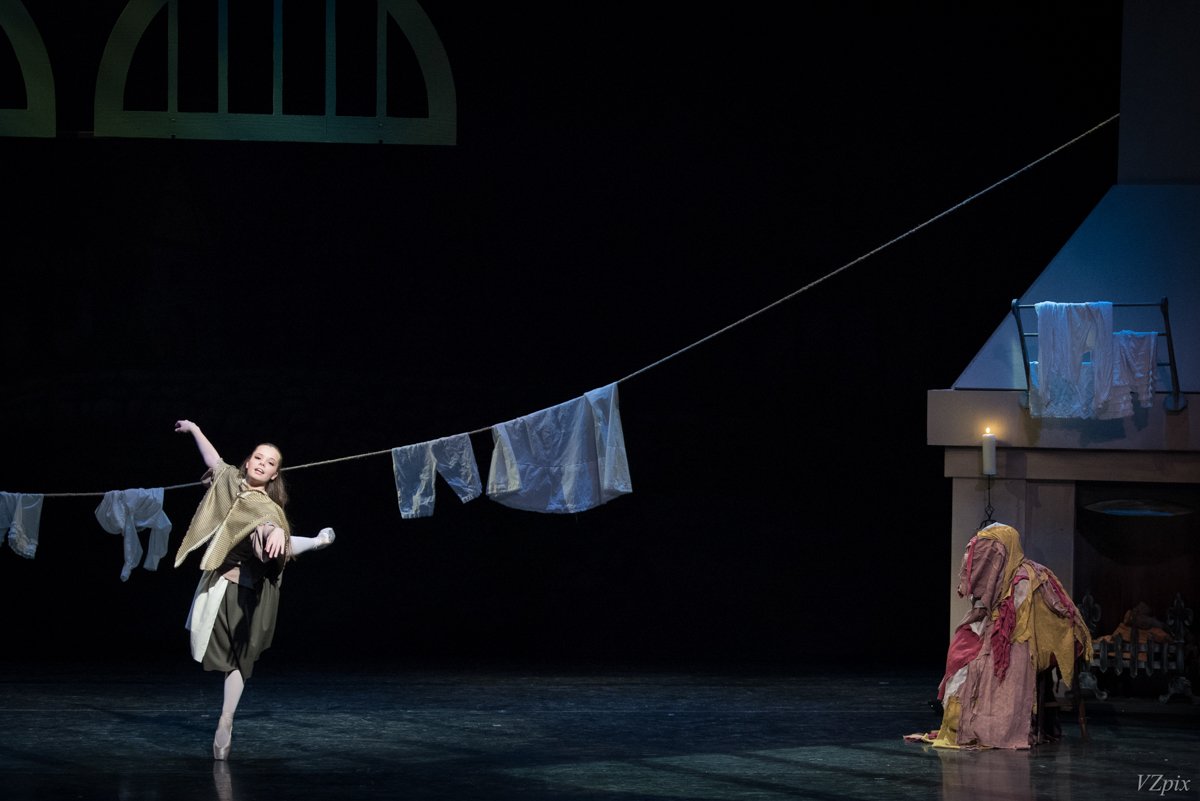
Relegated to living in the servants’ quarters, Cinderella now does the household’s laundry and seamstress work all while being mocked by her stepsisters, who further make her life difficult by having fun at Cinderella’s expense. The only happiness Cinderella finds are in her brief journeys to the fabric market, which give her a taste of the friendship and happiness that she longs for and deserves.
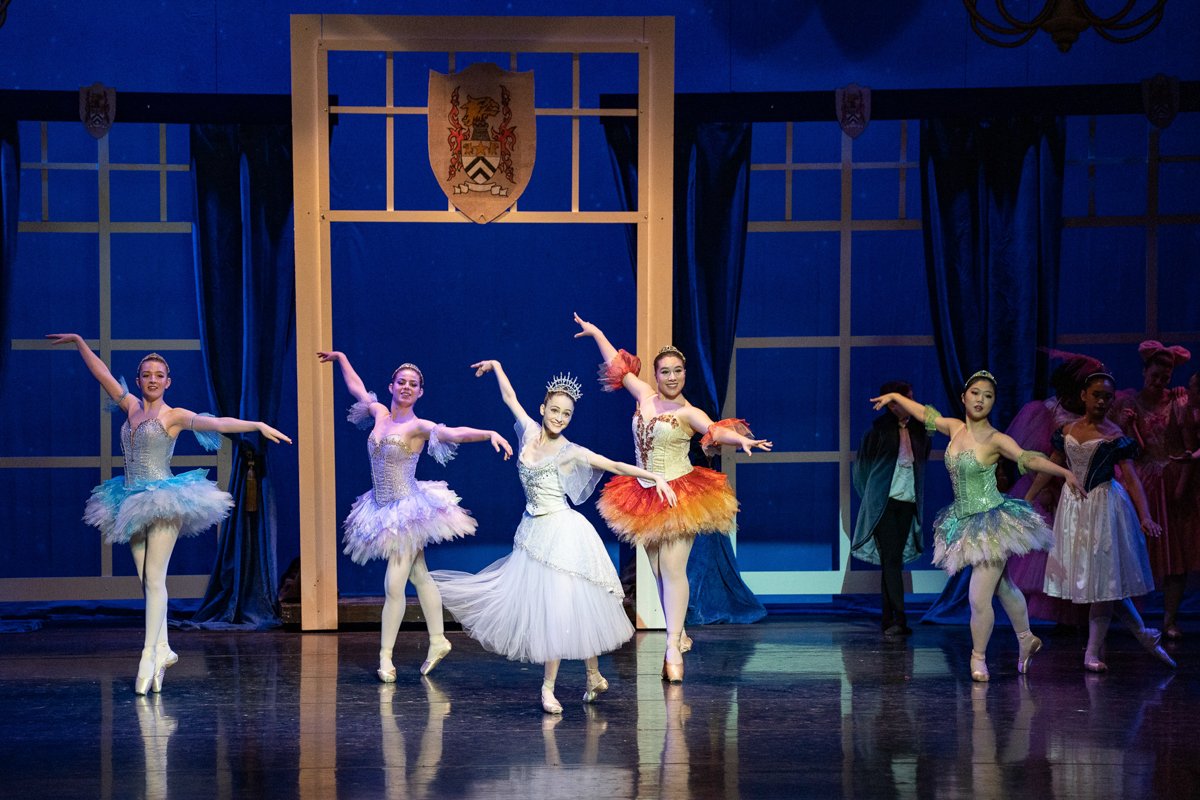
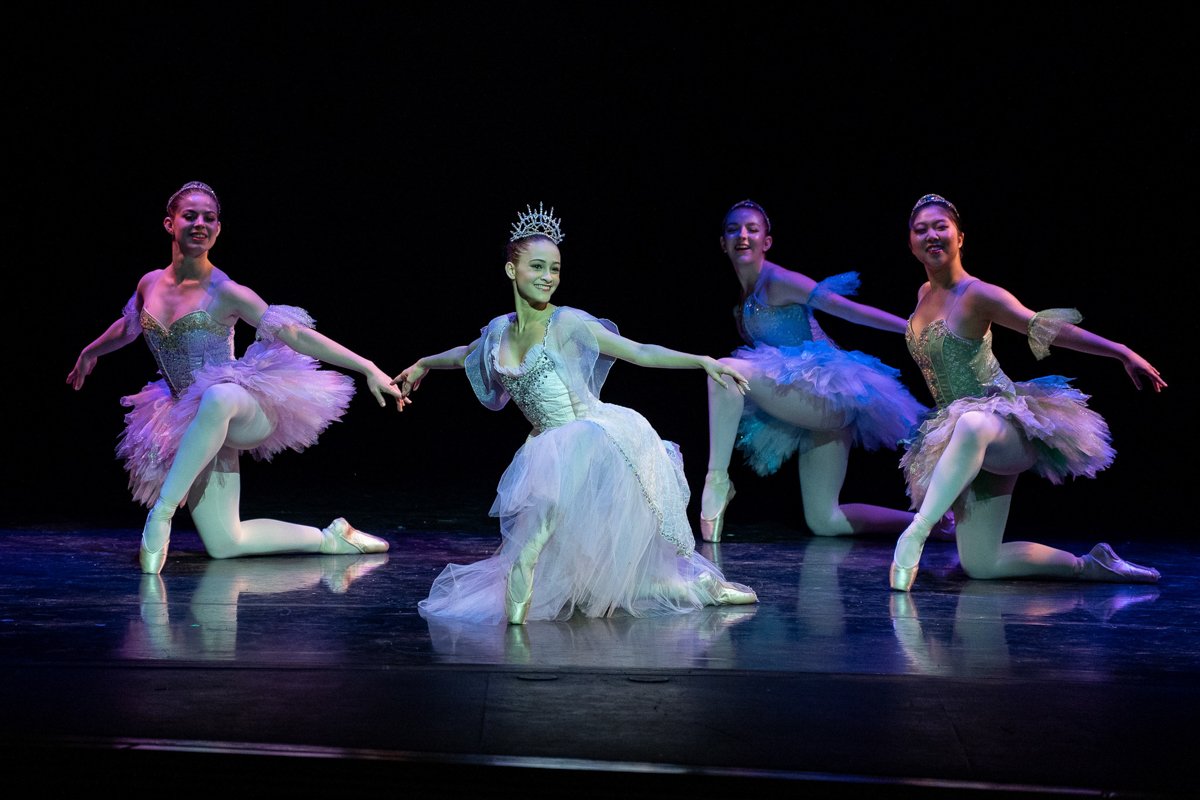
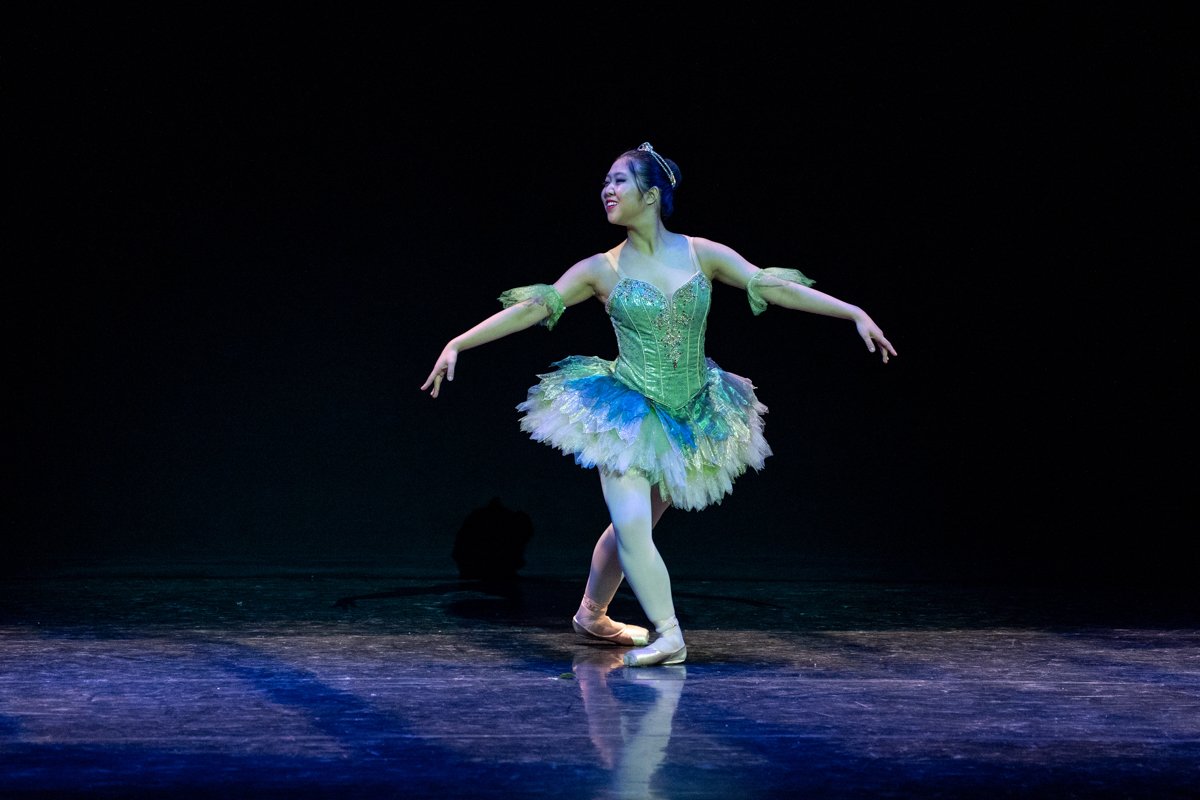
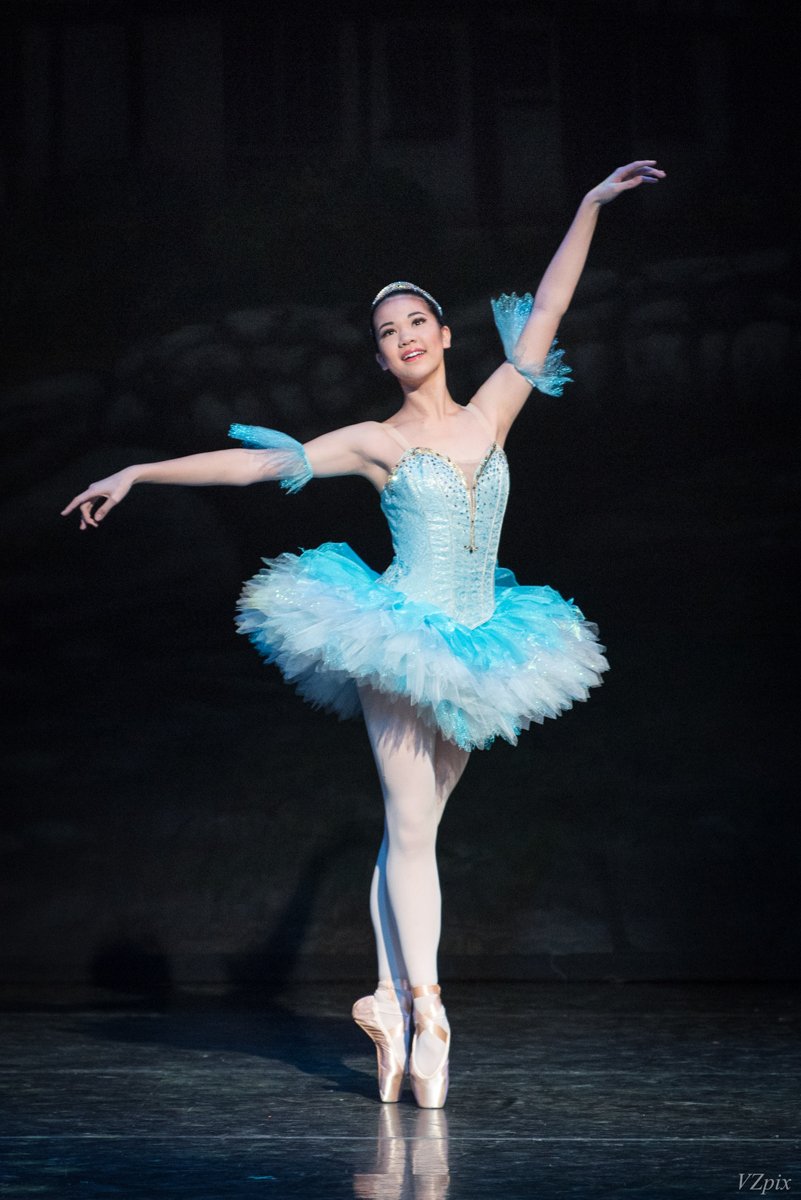
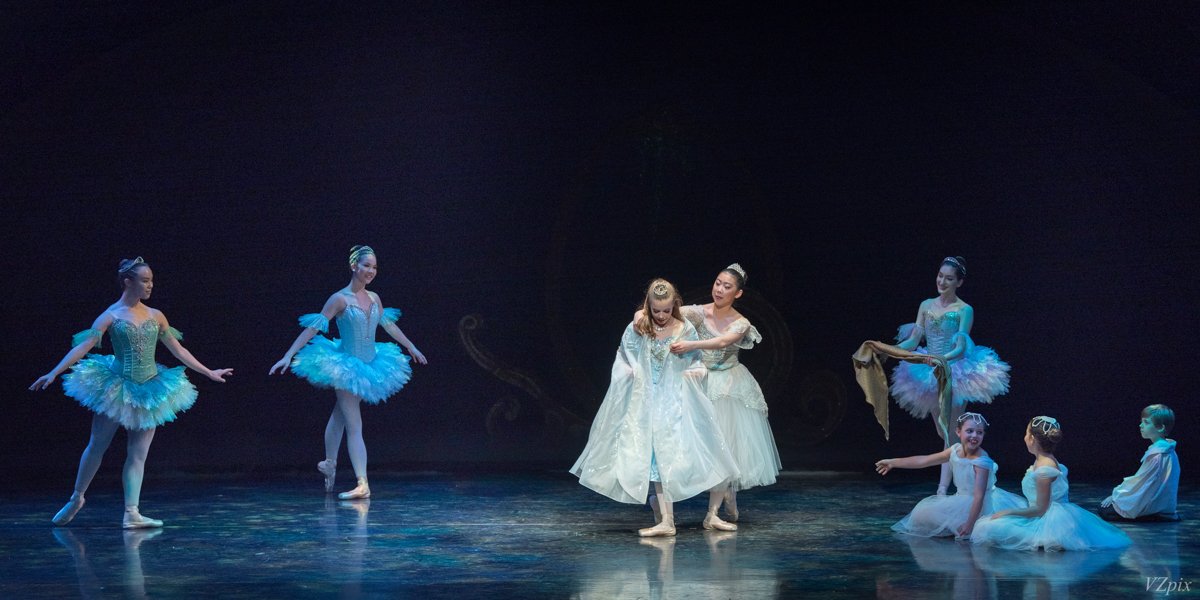
At the palace, the prince, who has yet to find his princess, is reluctantly persuaded to host a royal ball in hopes that his future princess might attend. Everyone in the kingdom is invited to the ball, including Cinderella and her family, however, the stepsisters destroy Cinderella’s dress so that she is unable to attend. Fortunately, thanks to some magic from her fairy godmother and fellow fairies, Cinderella is transformed and attends the royal ball.
-
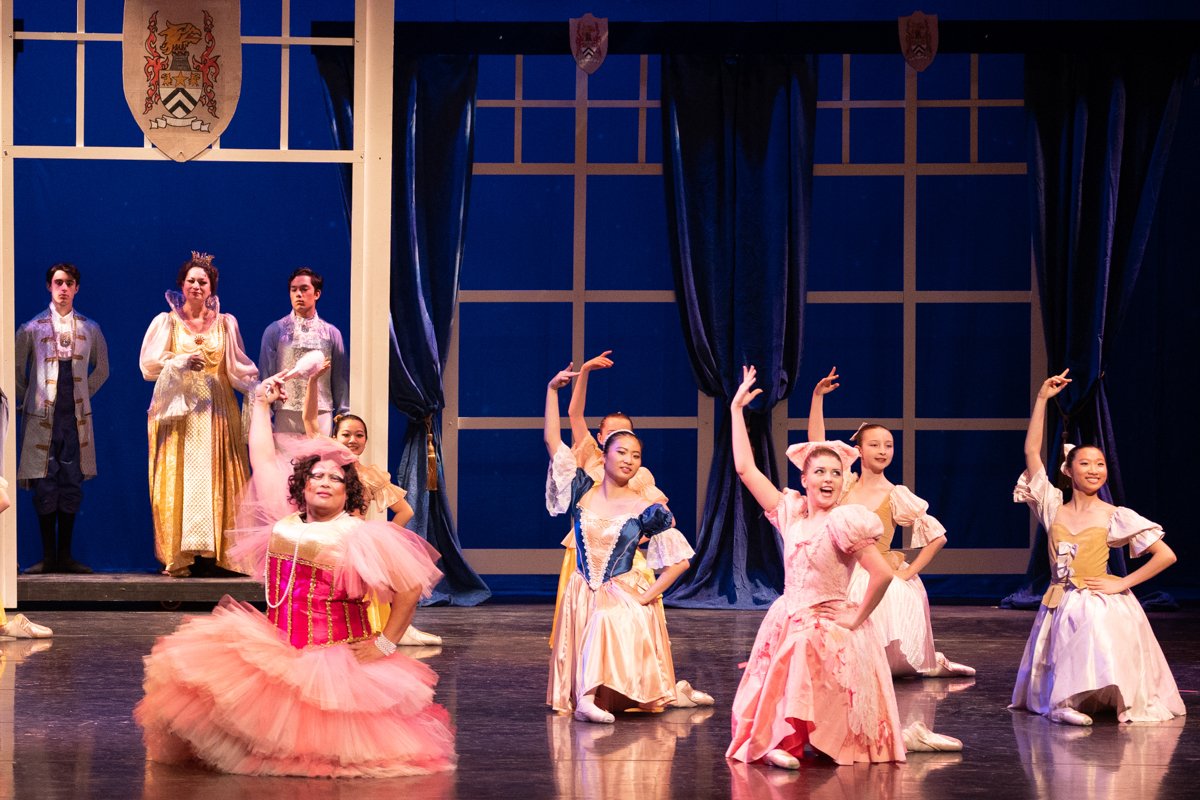
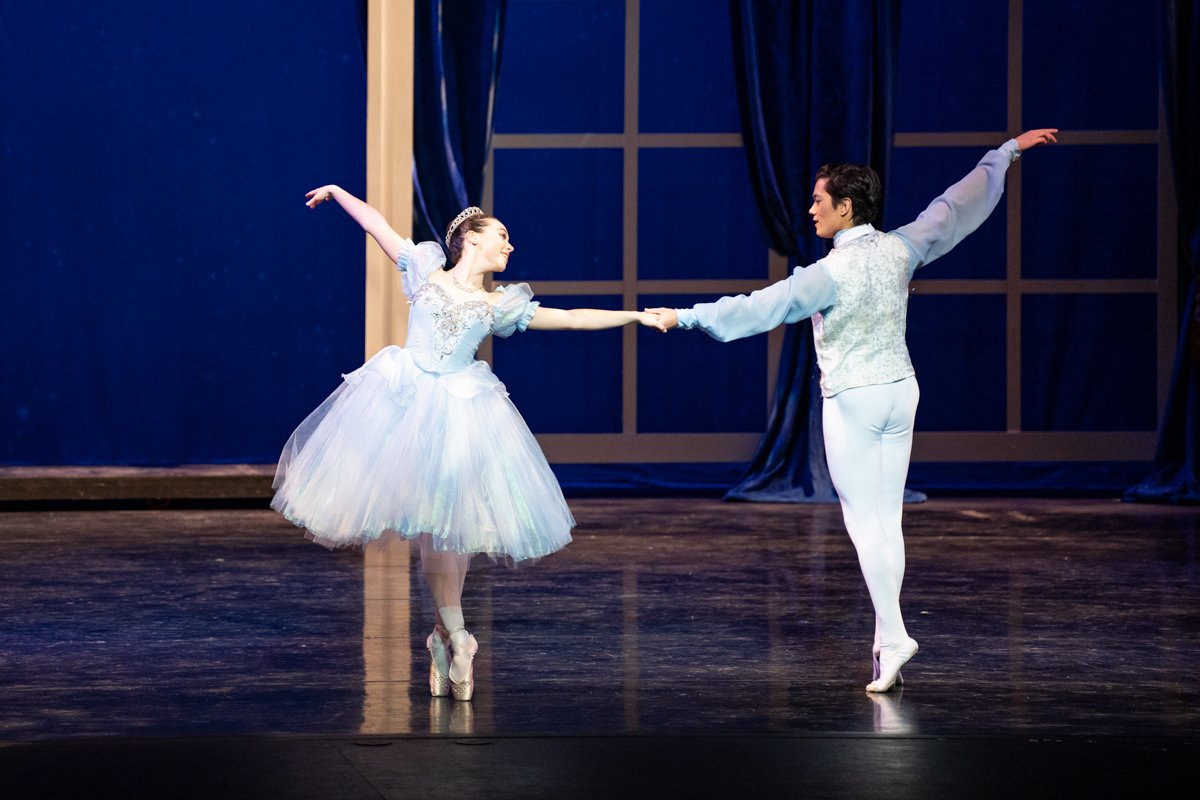
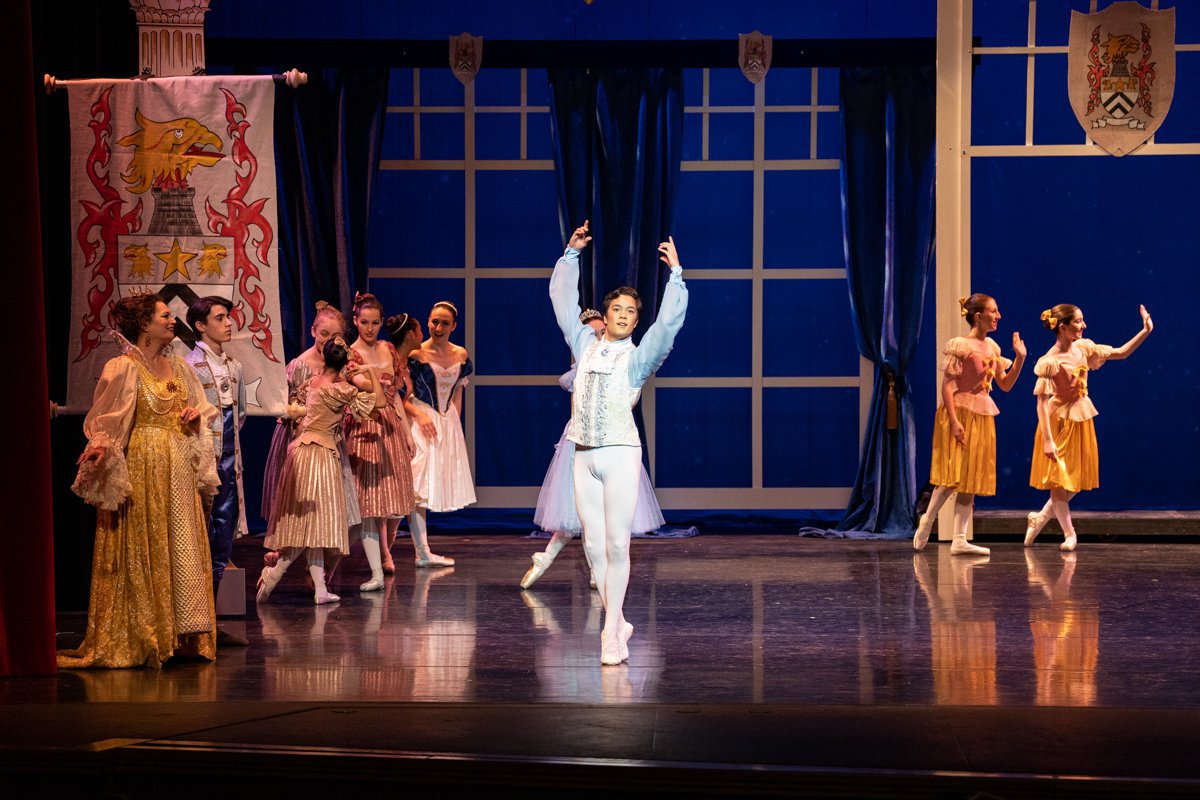
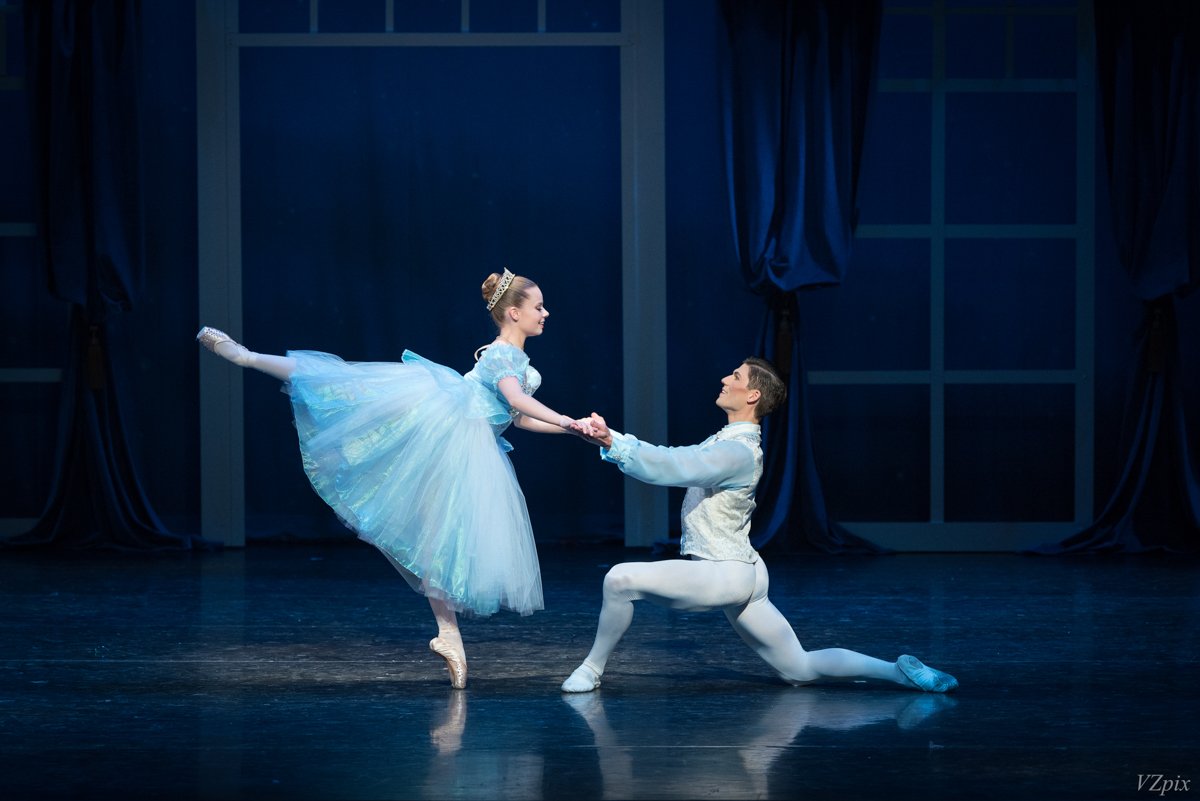
At the ball, the prince is bored by all the visiting princesses vying for his attention and, naturally, horrified by the stepsisters' obnoxious attempts to dance with him. Finally, Cinderella arrives and the prince is captivated by her beauty and personality. They dance together and all seems to be right in the world, until the clock strikes twelve! Cinderella begins to lose her magic dress, shoes and jewelry and, embarrassed, runs off into the night. Finding a shoe that Cinderella left behind, the prince vows to try it on every lady in the kingdom until he finds the mysterious visitor, Cinderella.
-
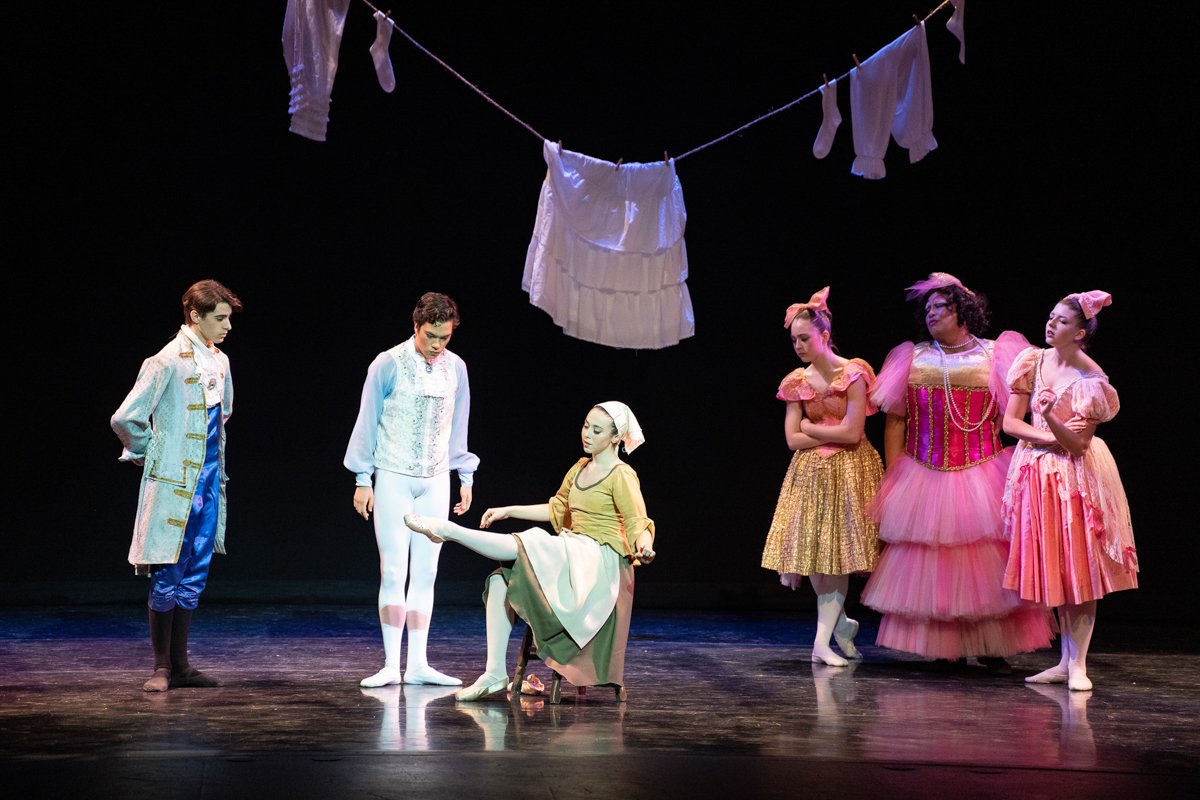
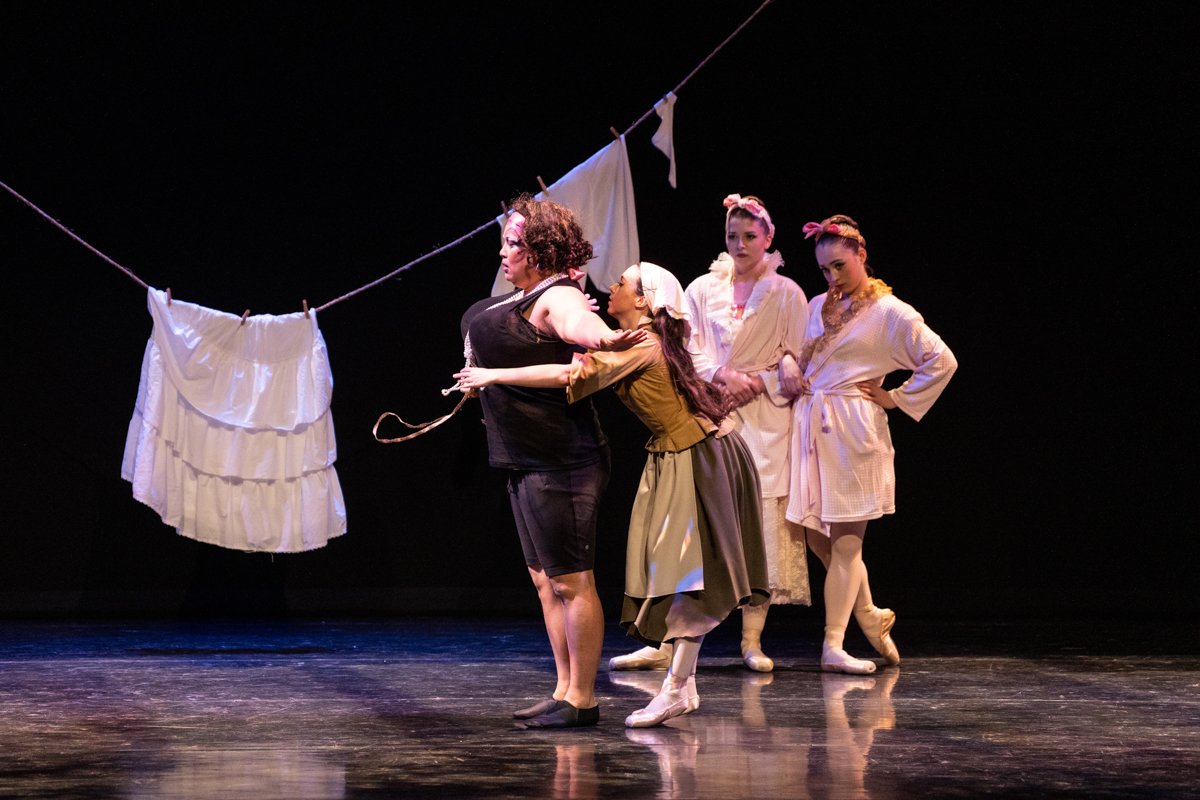
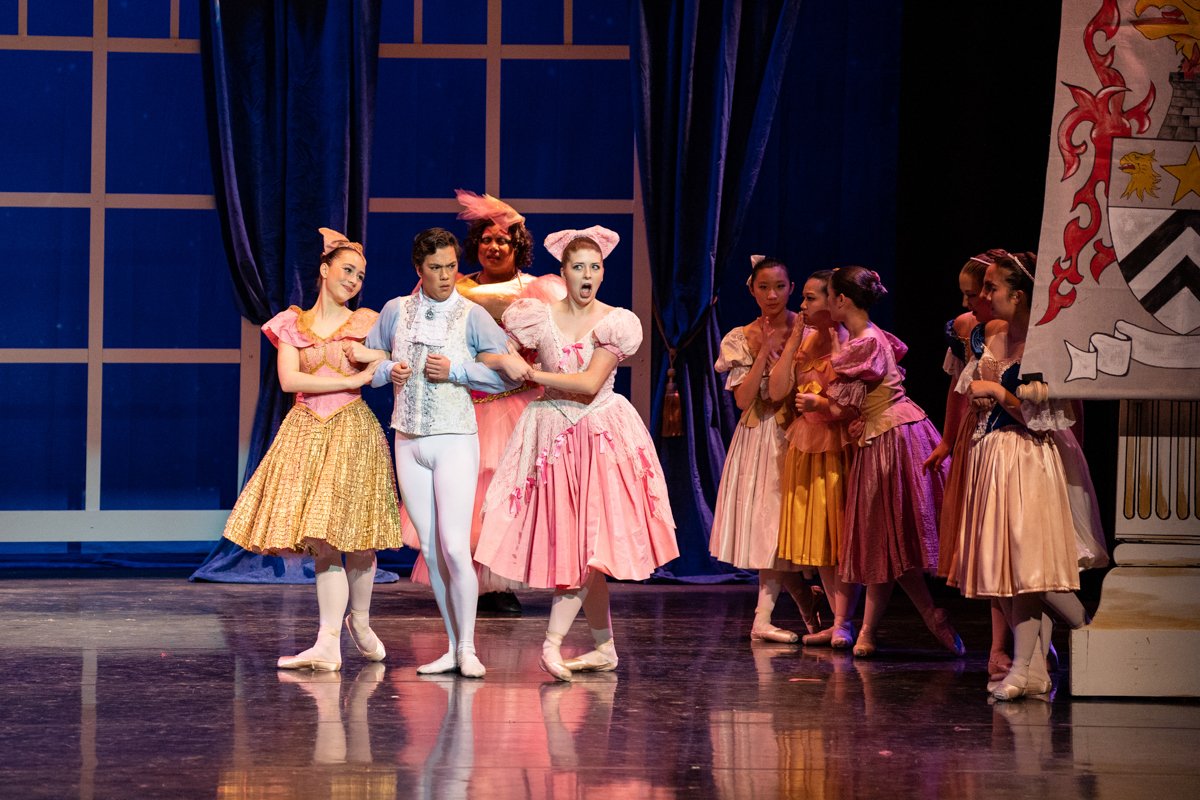
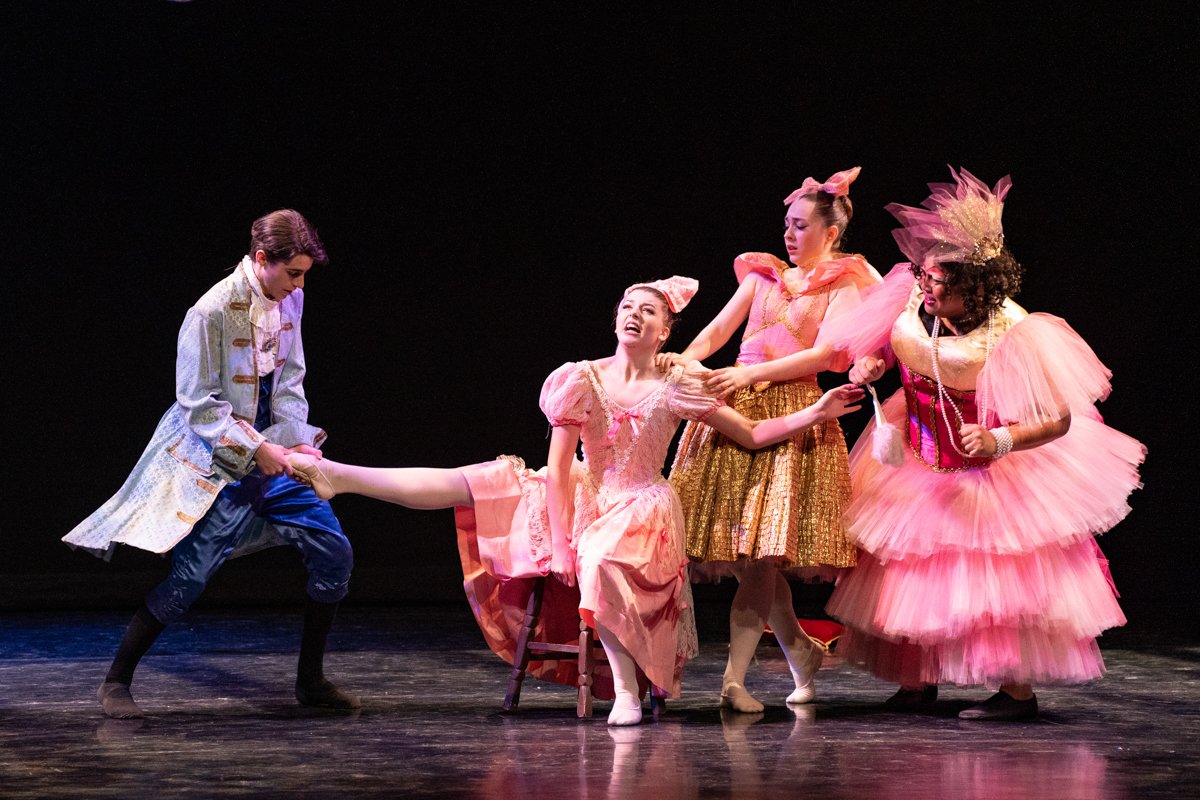
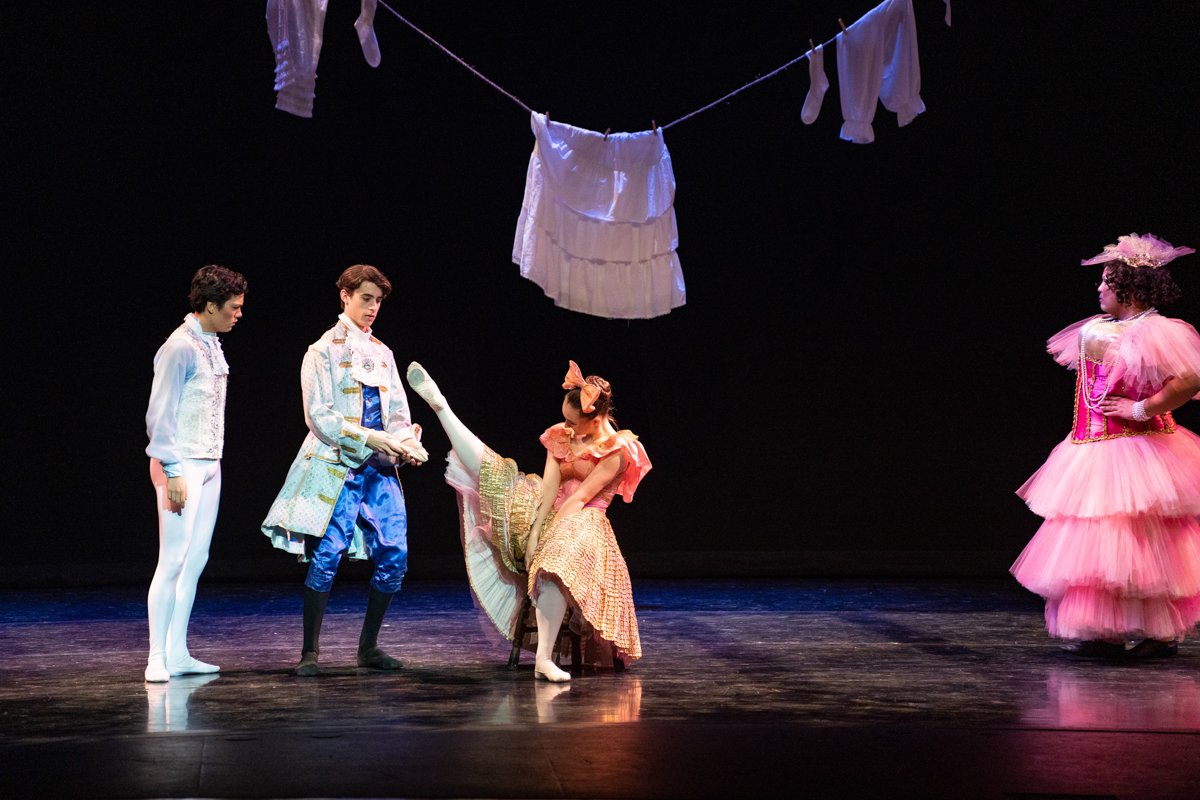
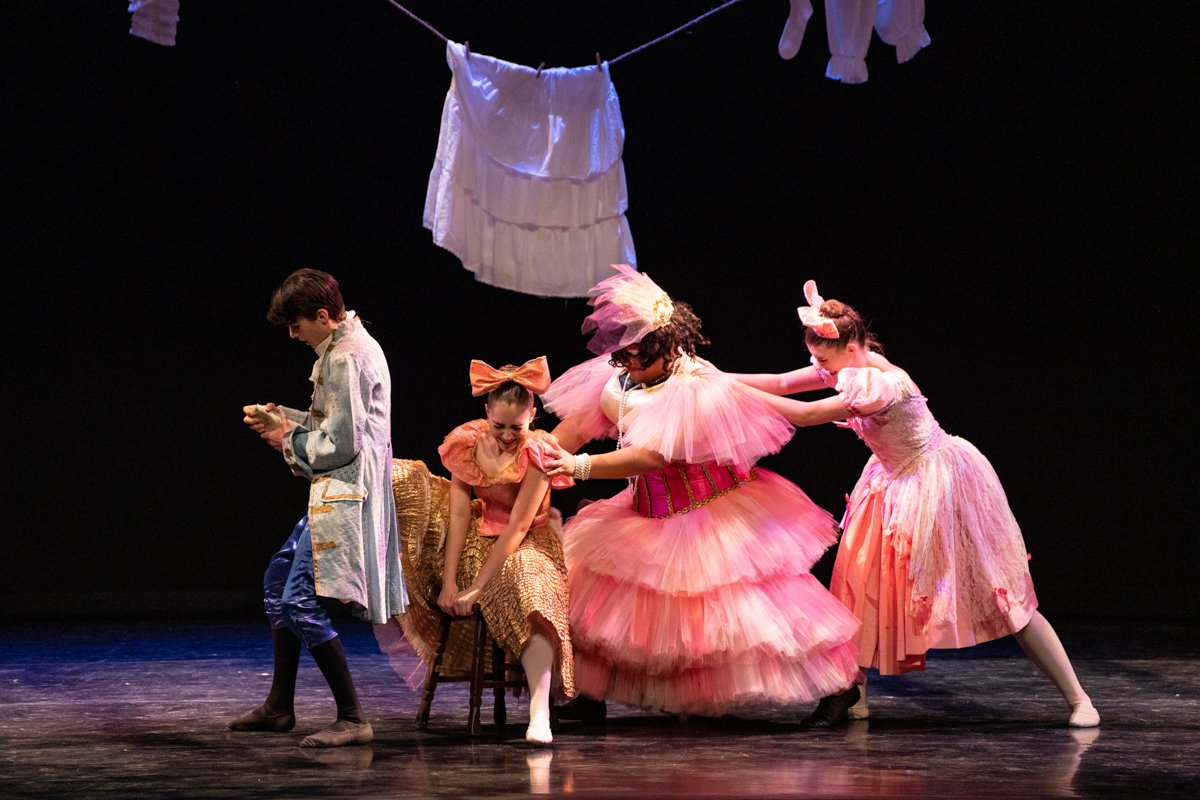
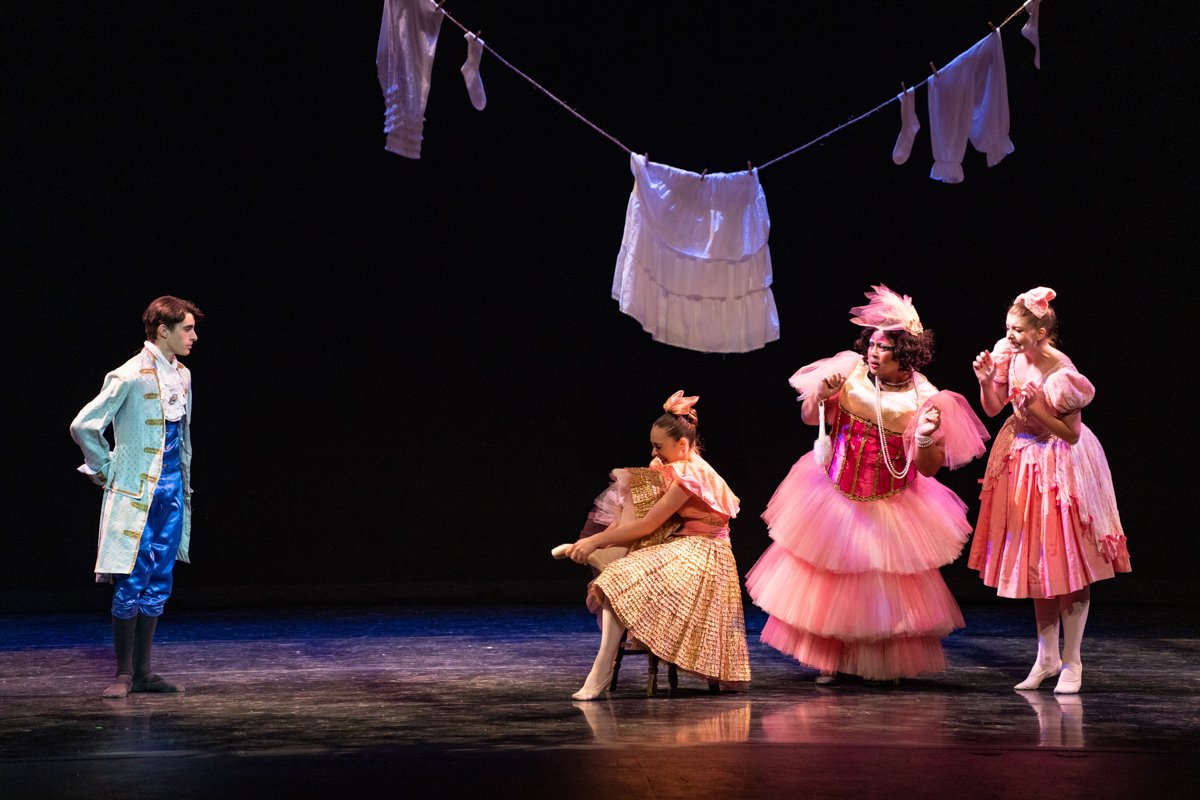
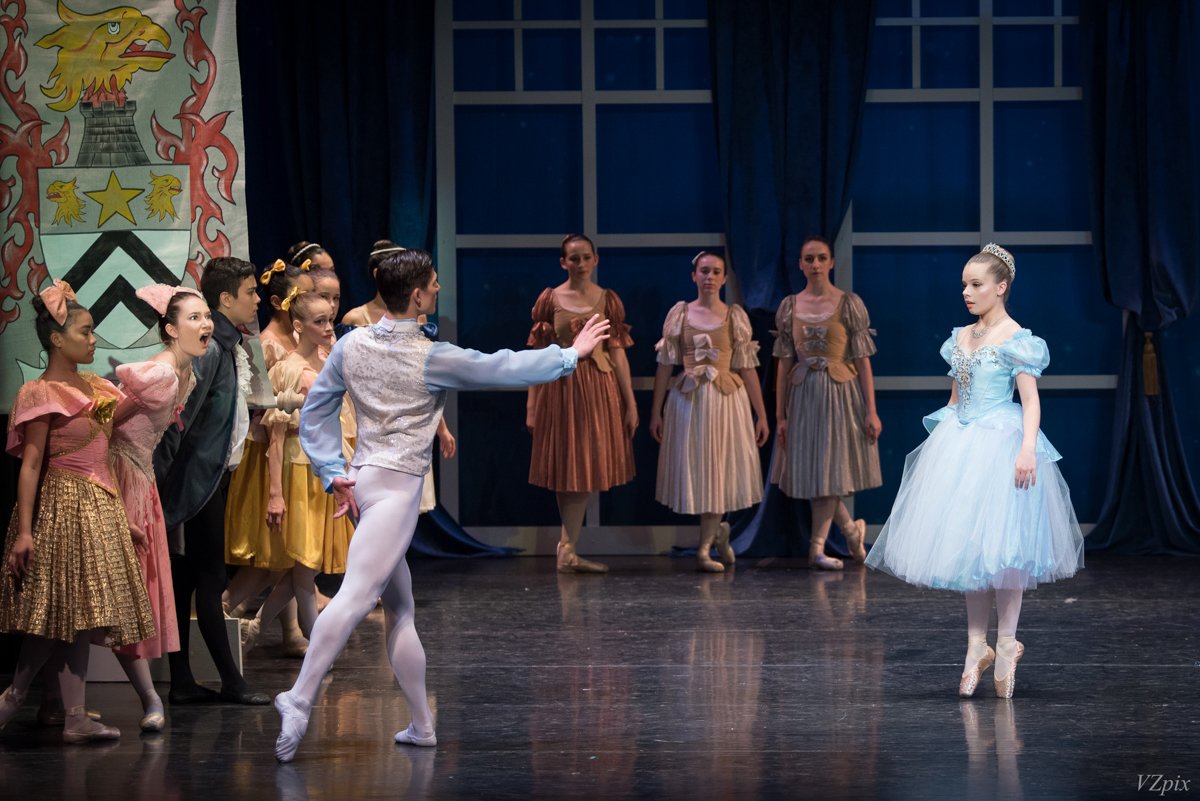
After visiting every princess and lady in the kingdom who attended the ball, the prince finally arrives at the house of Cinderella and her step family. Of course, Cinderella is not initially allowed to try on the shoe, and instead the sisters desperately try to squeeze into the shoe themselves. Finally, Cinderella finds the courage to make herself seen, the shoe fits, and the rest is history….
Synopsis
Discussion with Artistic Directors
Were there any challenges in creating Cinderella?
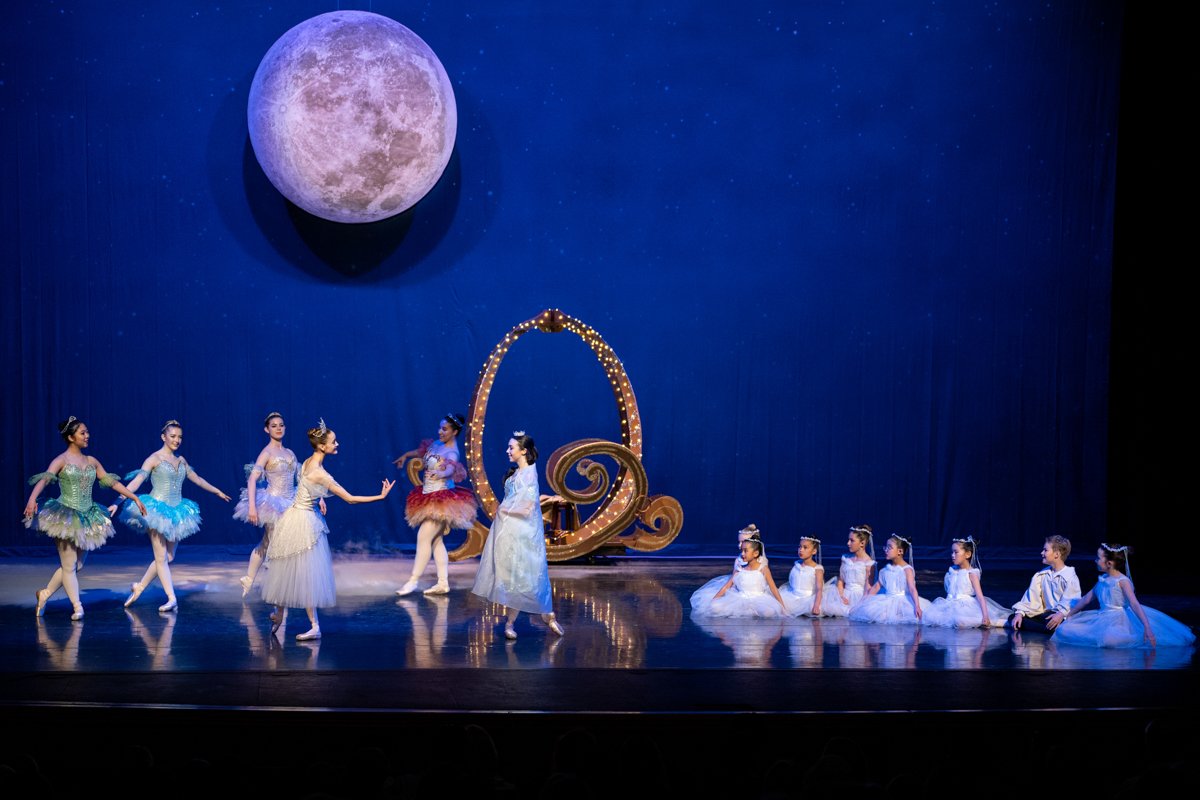
One of the biggest challenges creating Cinderella was the magic scene, in which Cinderella’s dress magically transforms into a ball gown and her carriage is magically transfigured on stage.
Traditionally the dress change has been done with Cinderella leaving the stage and changing as quickly as possible—not very magical. So, we decided that we wanted Cinderella’s dress to magically transform in front of the audience’s eyes. This took some special dress engineering from our costume designer and creator Terry Worley (Tutu Terry) and input from Martha, who had created the role of Cinderella as a principal dancer in Northern Ballet where they, too, magically change dresses on stage. The result is a magical dress change that gets audience applause every time.
Why was Cinderella selected for Southern California Ballet’s spring ballet repertoire?
Cinderella is a story that almost everyone already knows, making it a great choice for a ballet. Choreographing a story like Cinderella allows us to create a ballet that enhances what the audience already knows about the story without worrying too much about the audience keeping up. The narrative of SCB’s Cinderella moves quickly and keeps the audience engaged from start to finish.
The second reason for choosing Cinderella is the beautiful music by Serge Prokofiev, one of the greatest ballet composers in history.
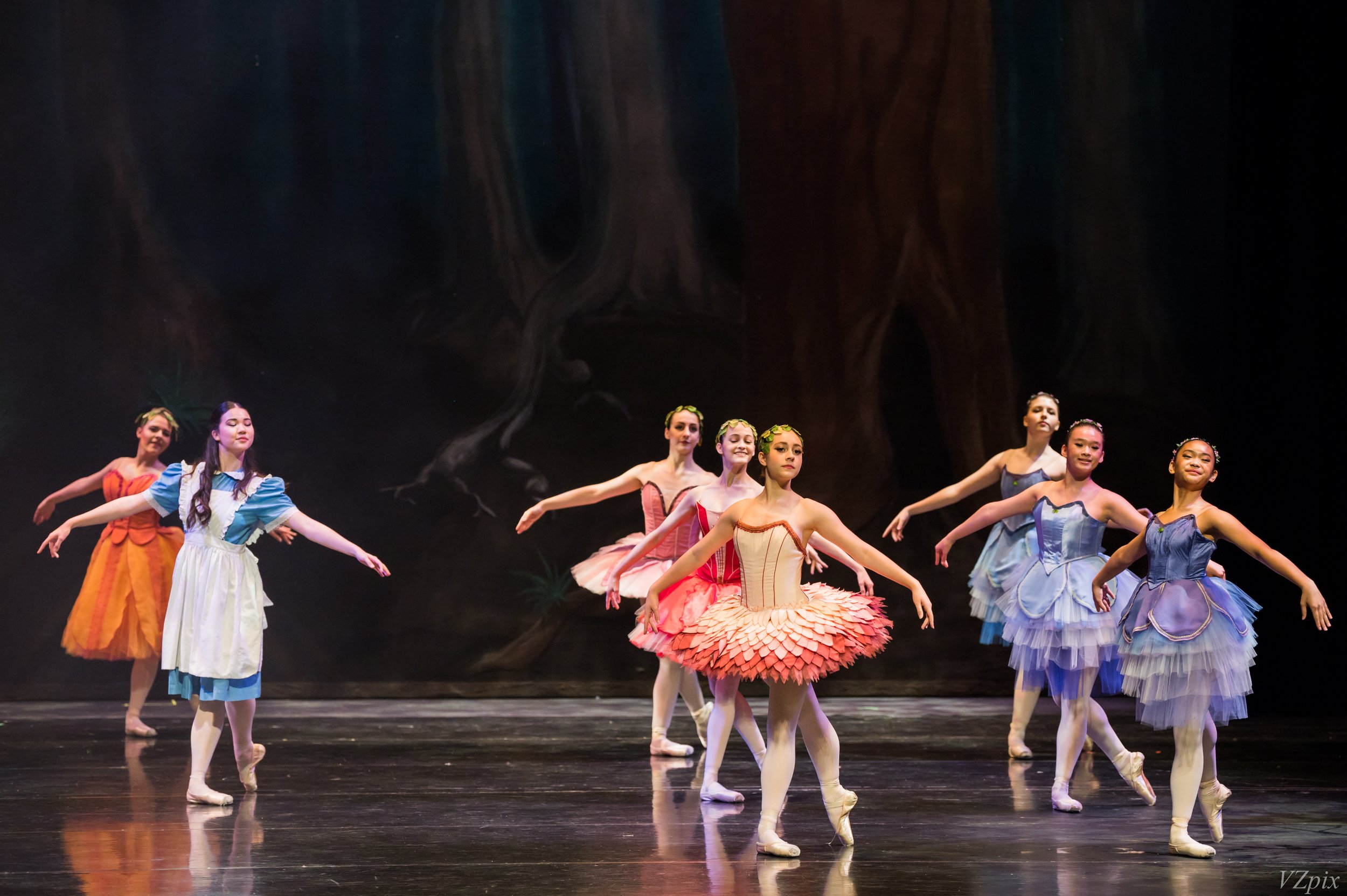
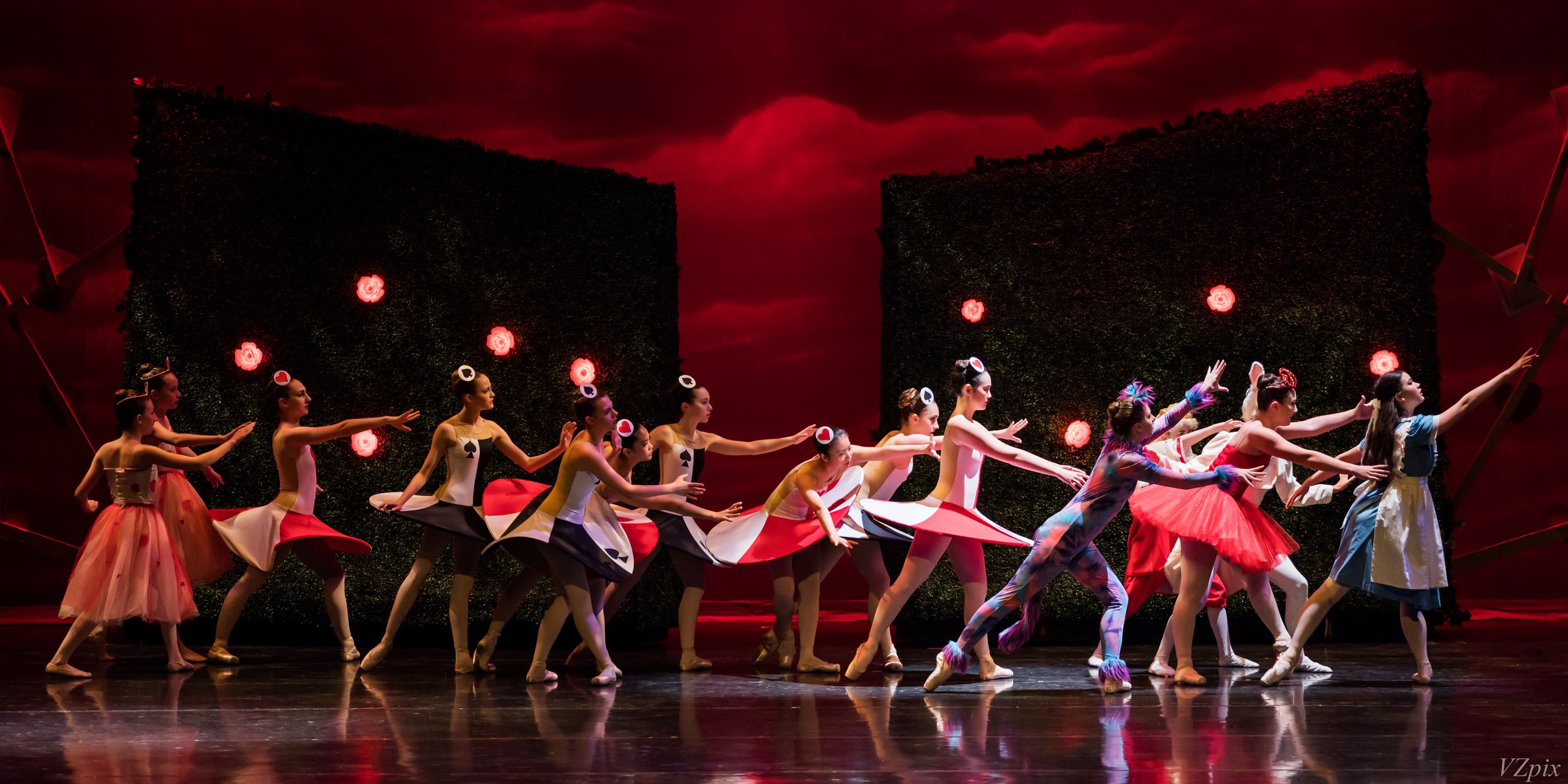
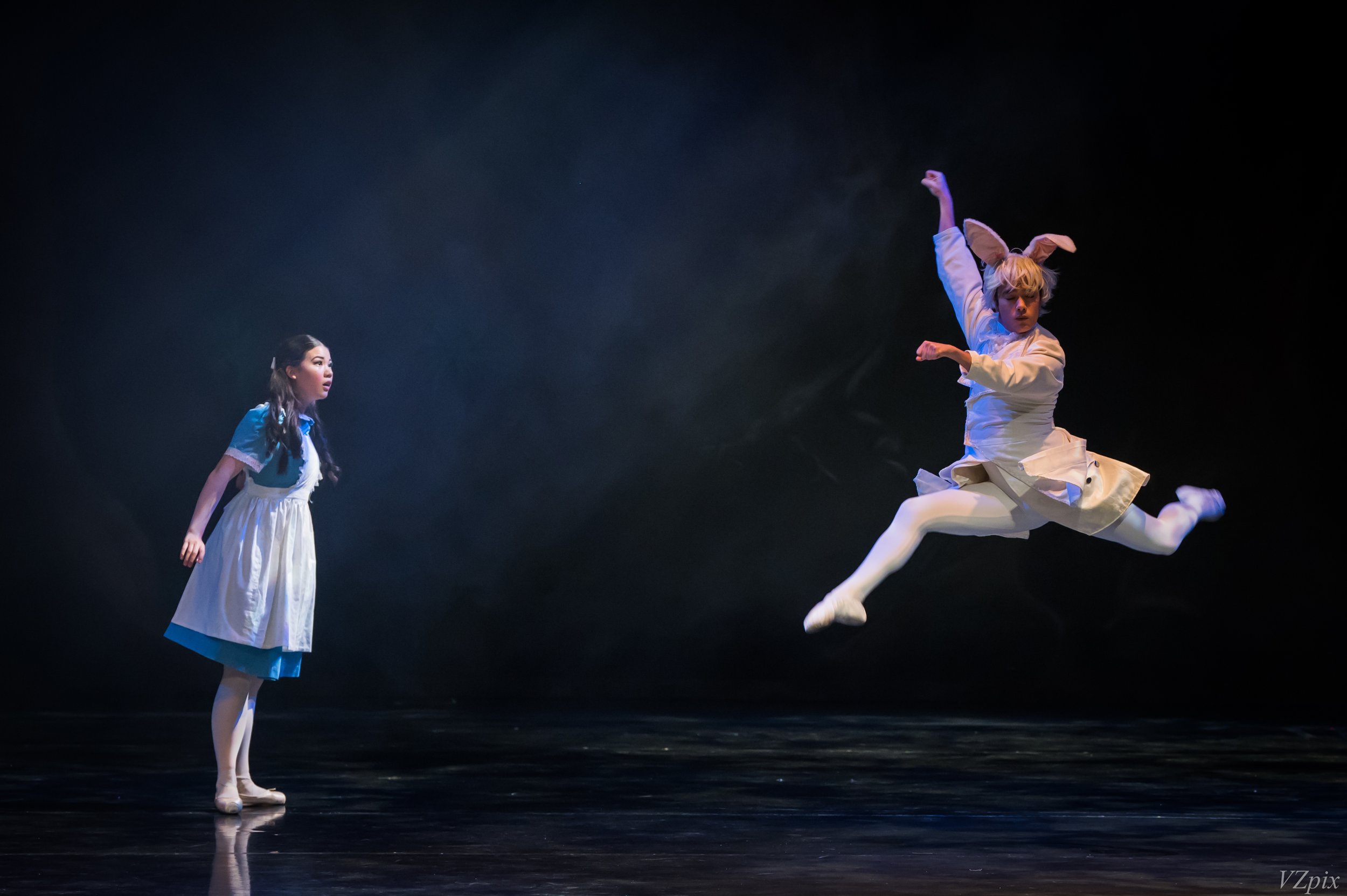
Alice in Wonderland
A fantastical ballet in two acts
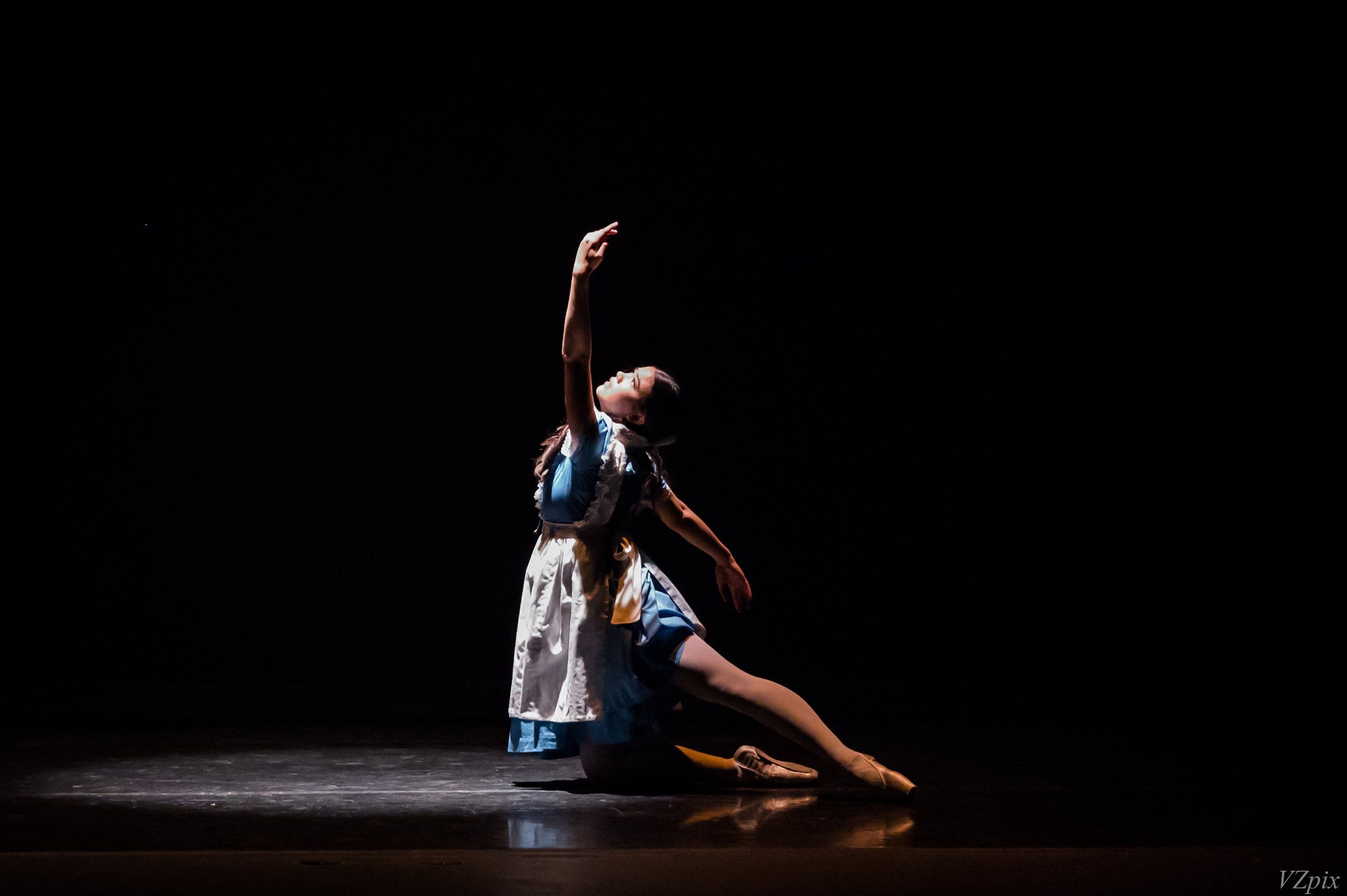
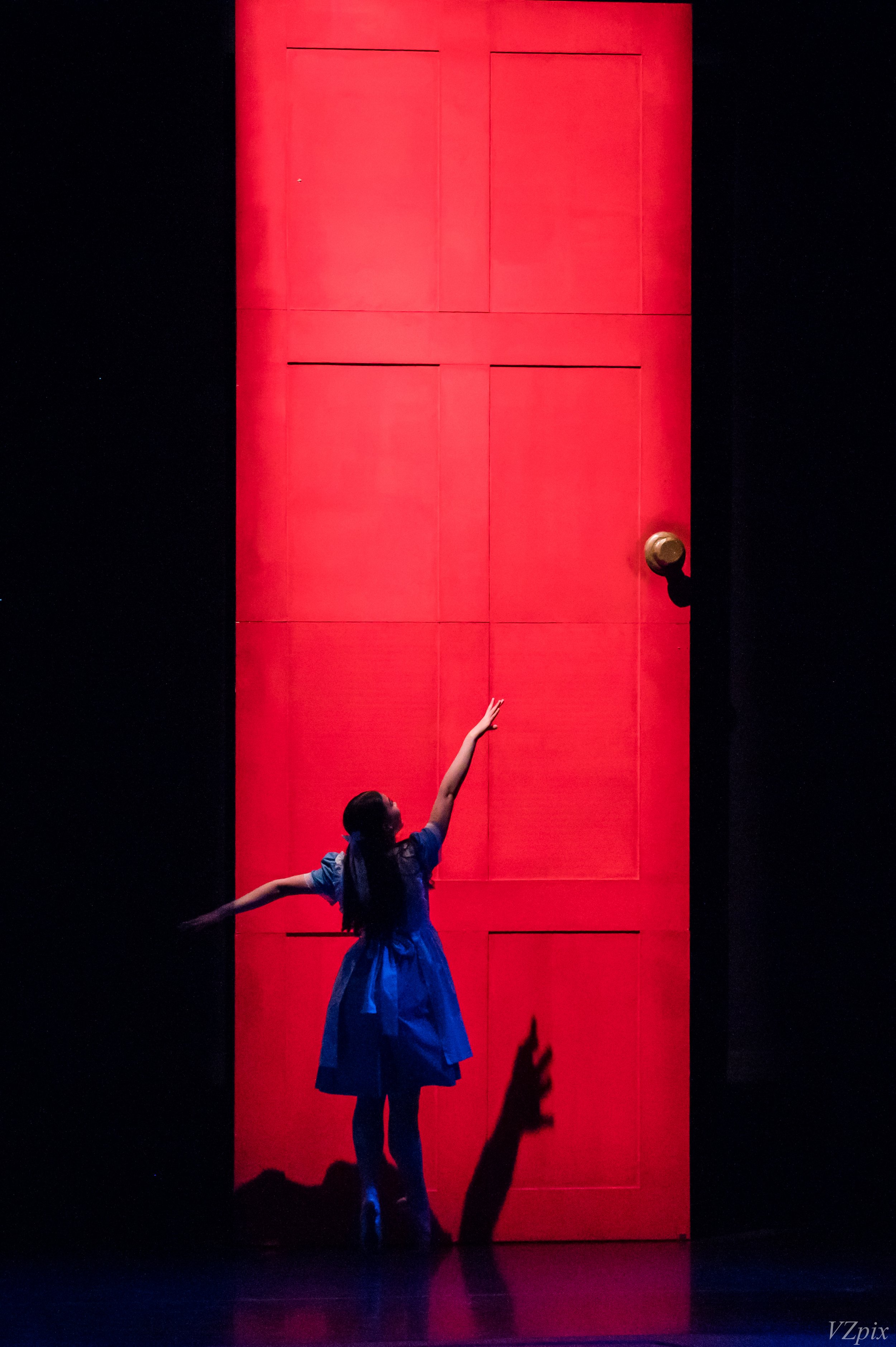
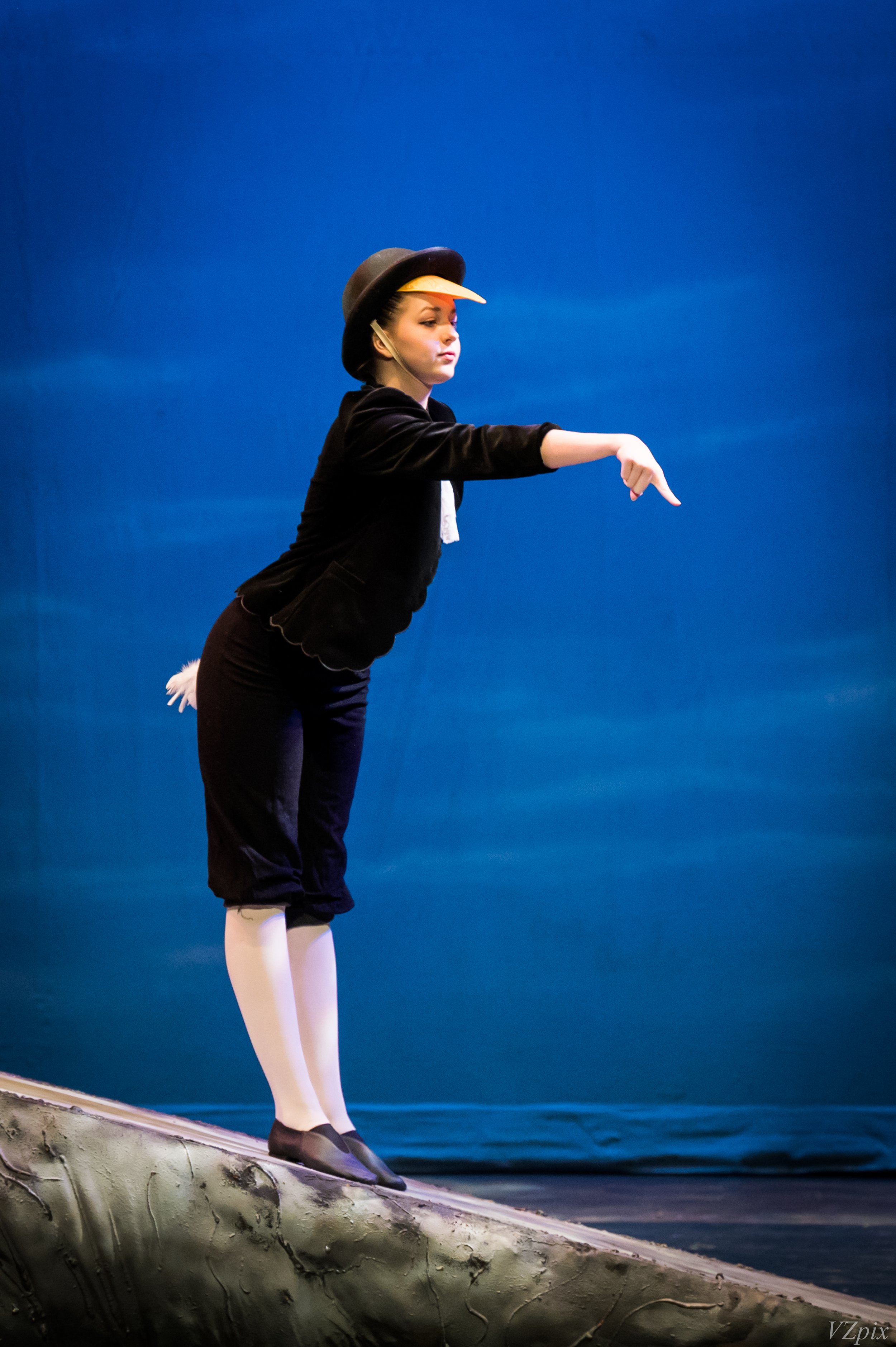
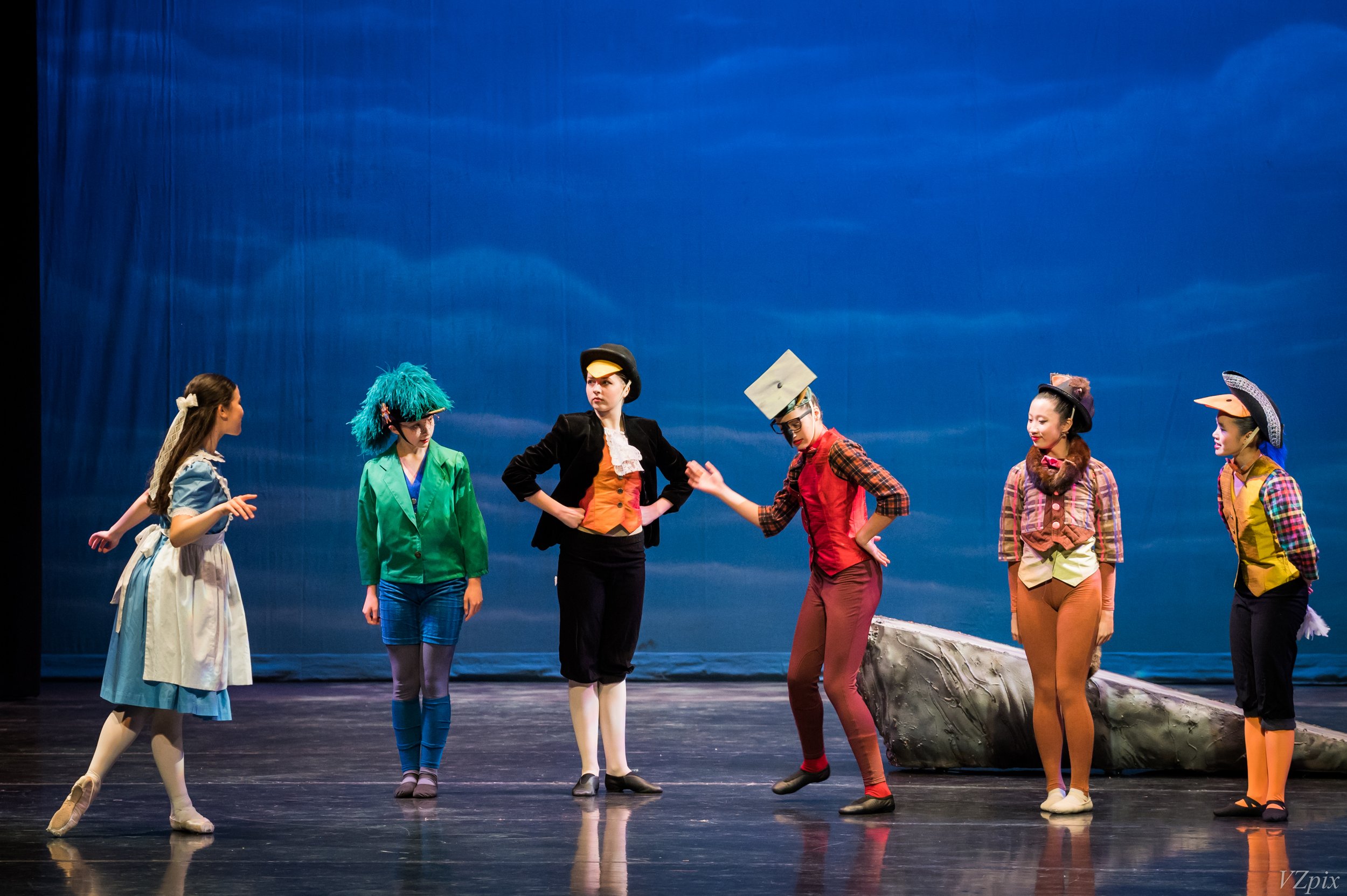
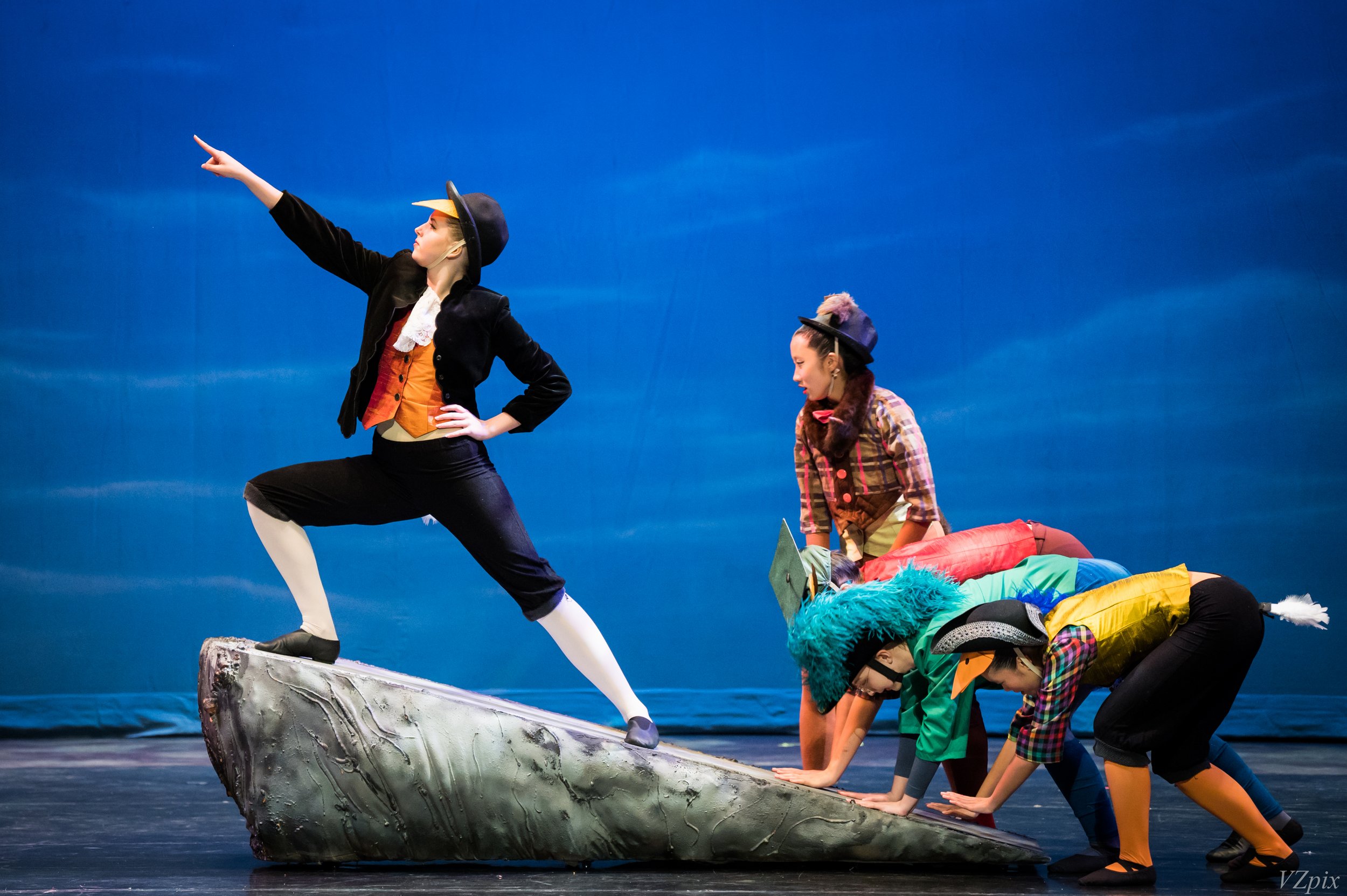
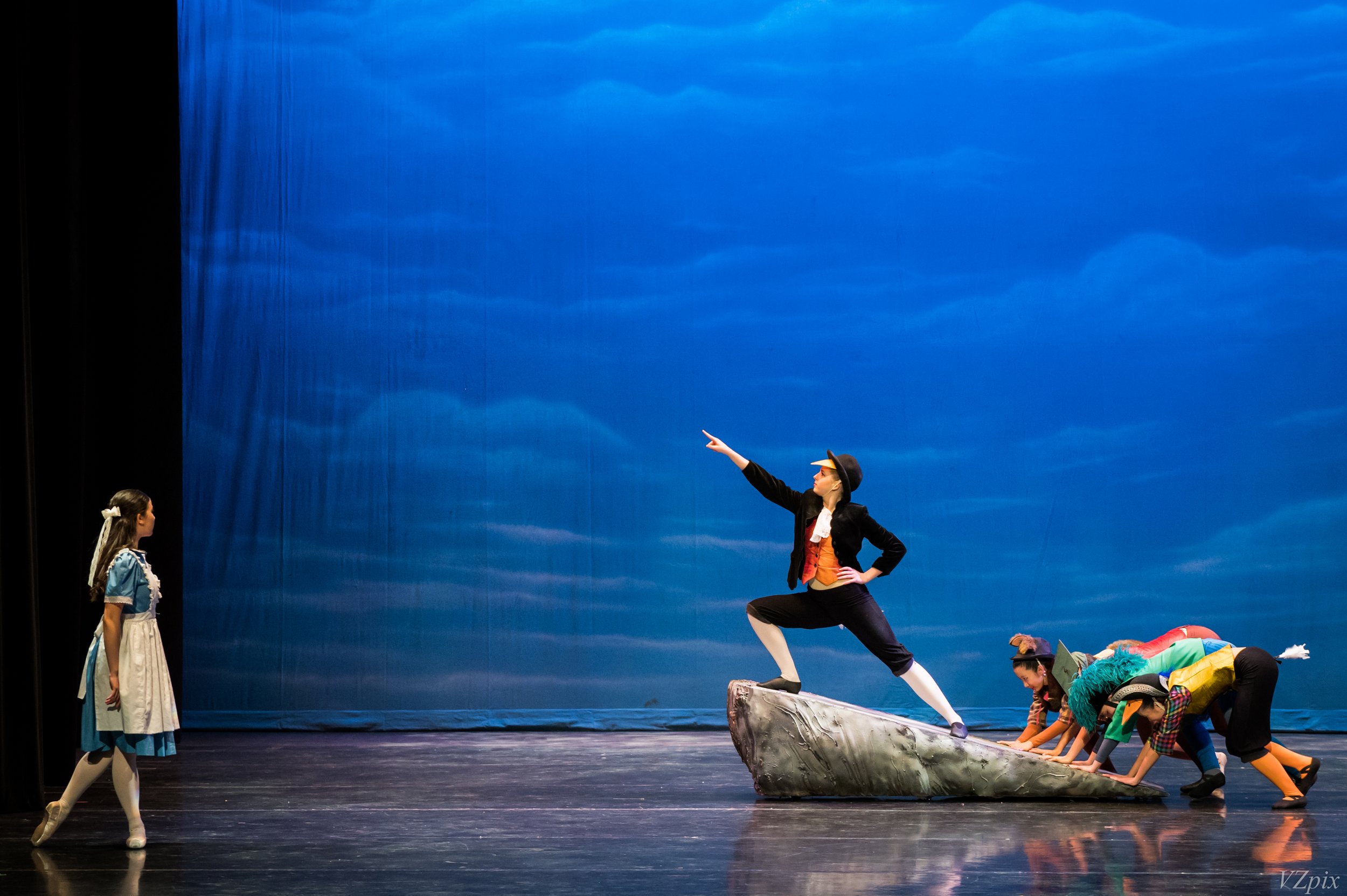
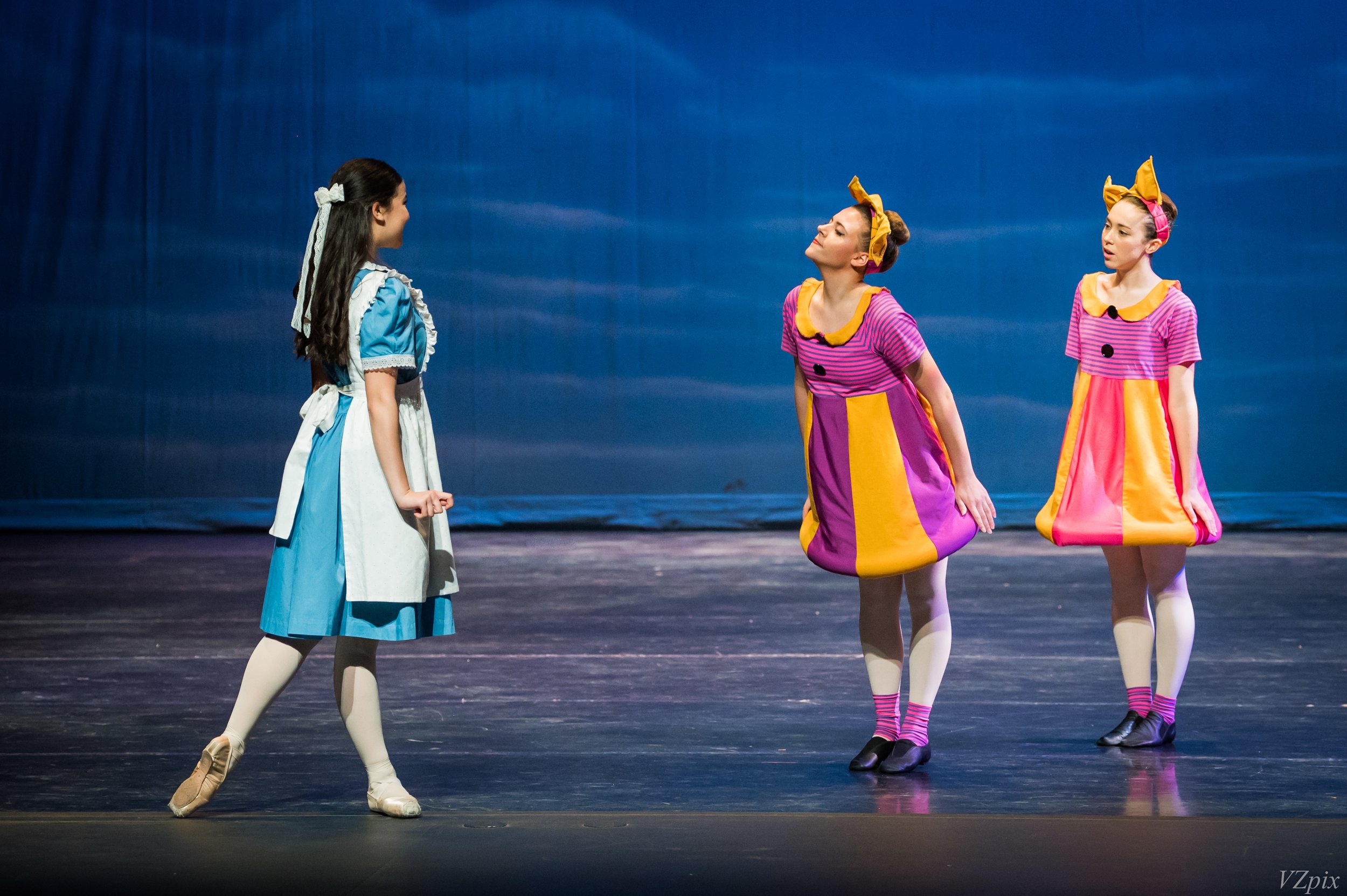
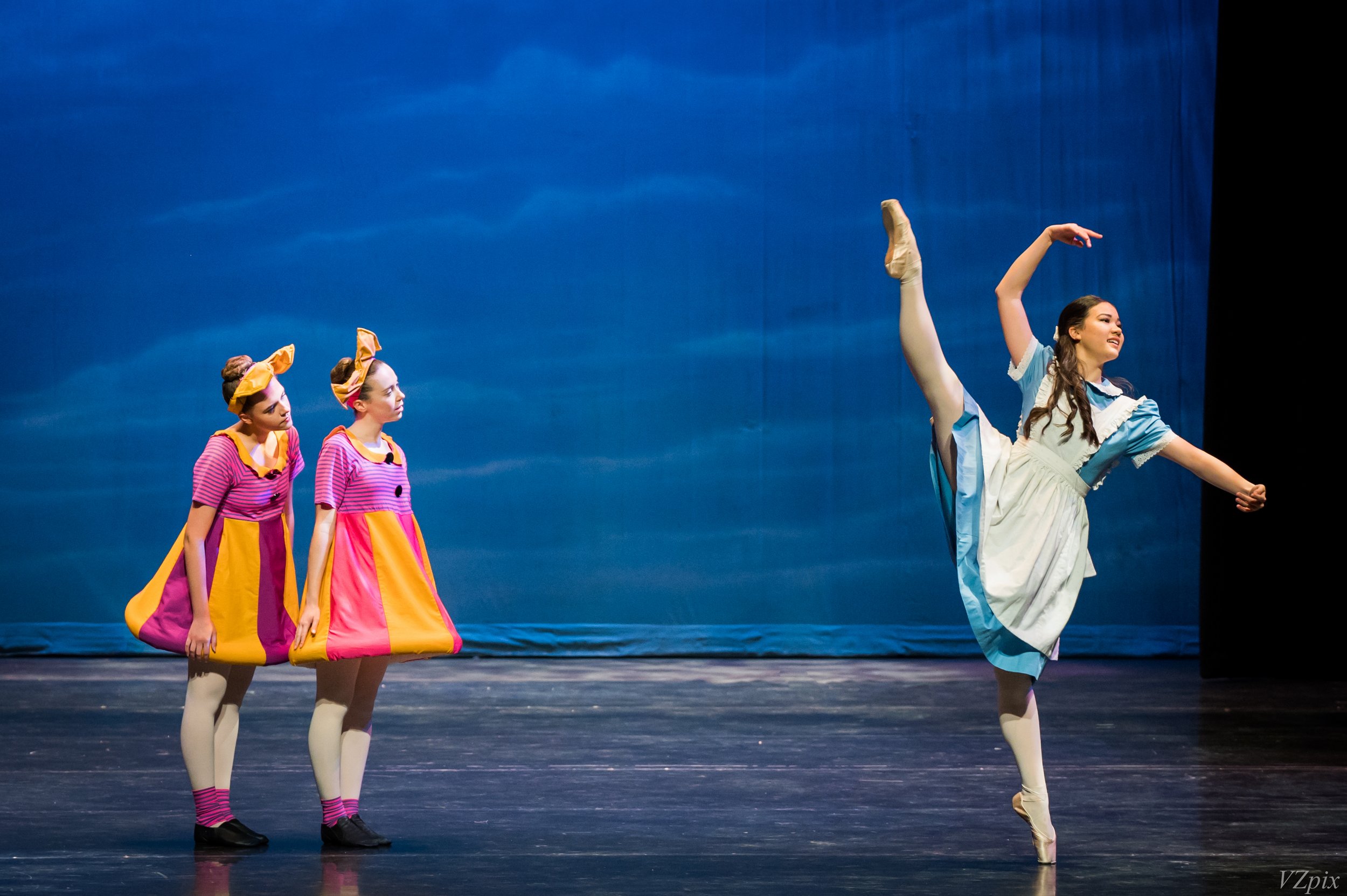
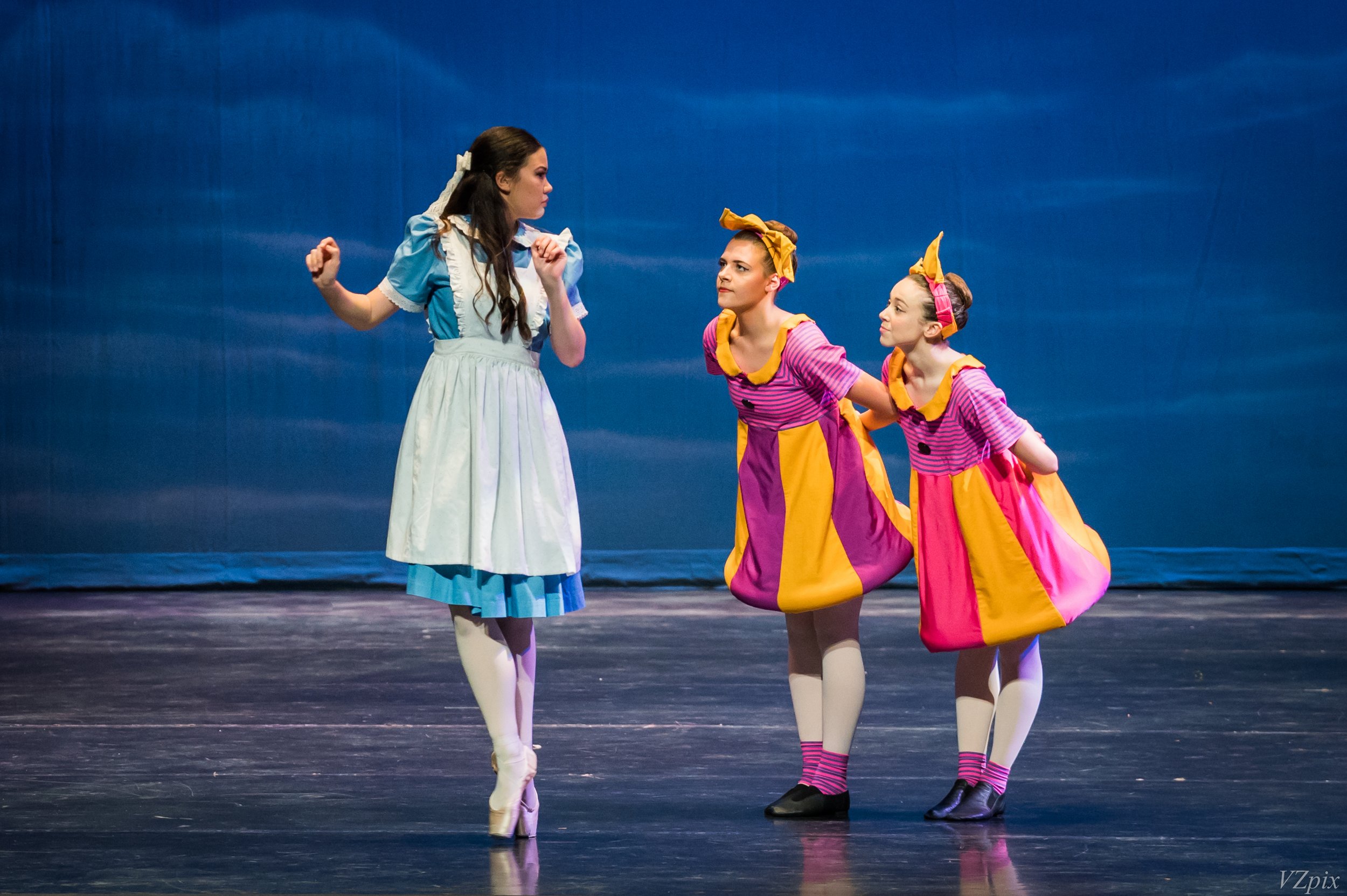
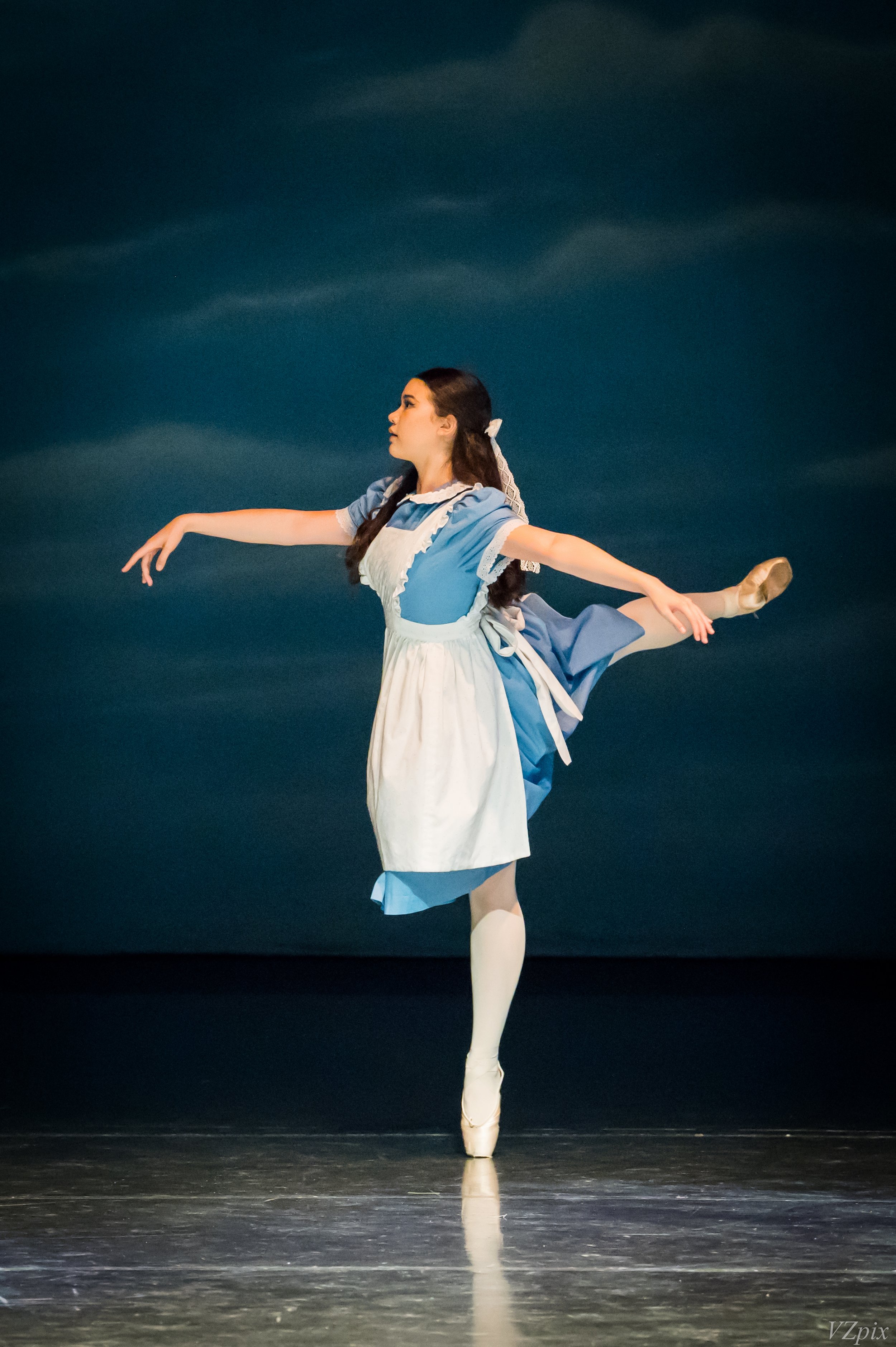
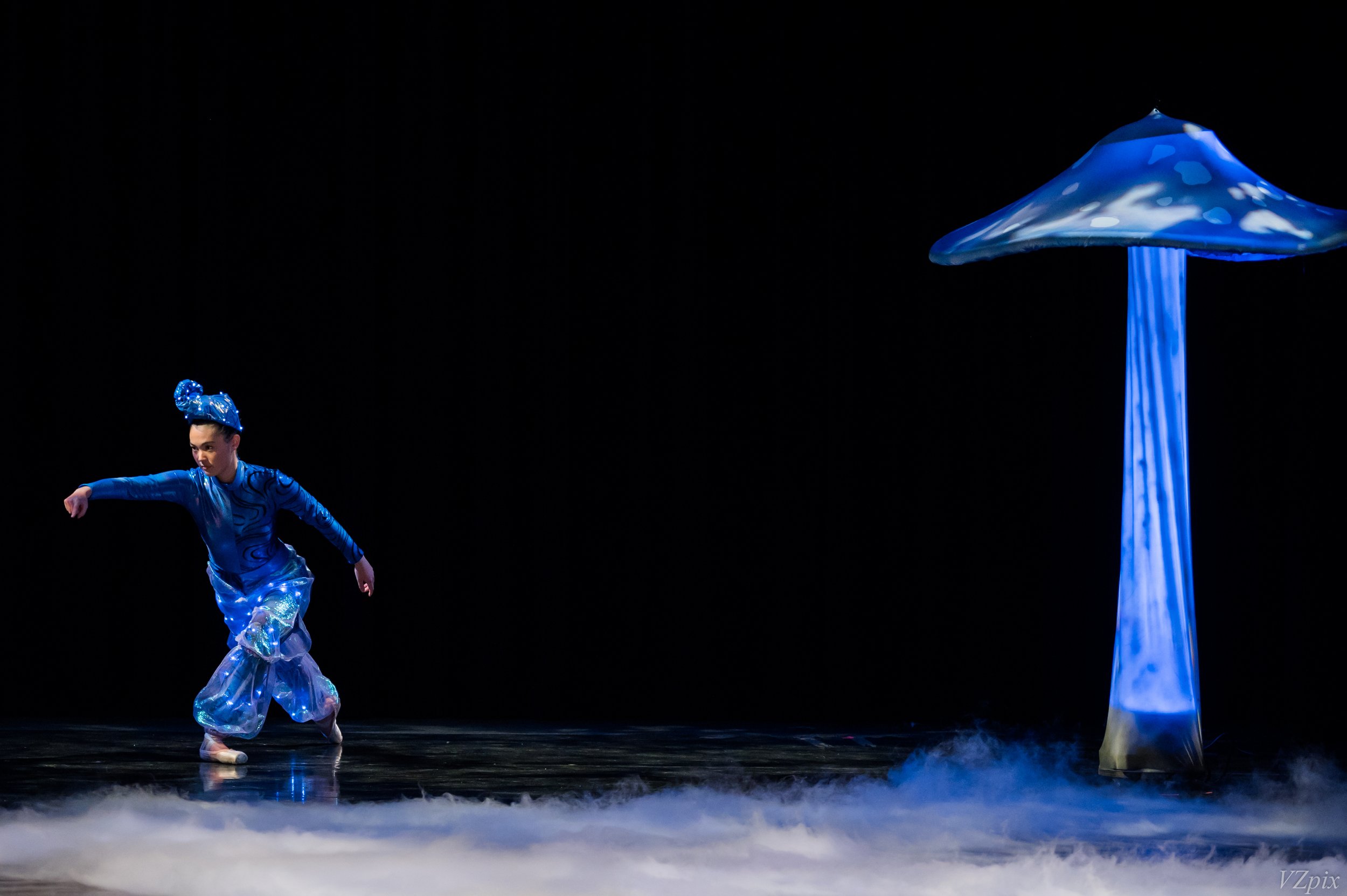
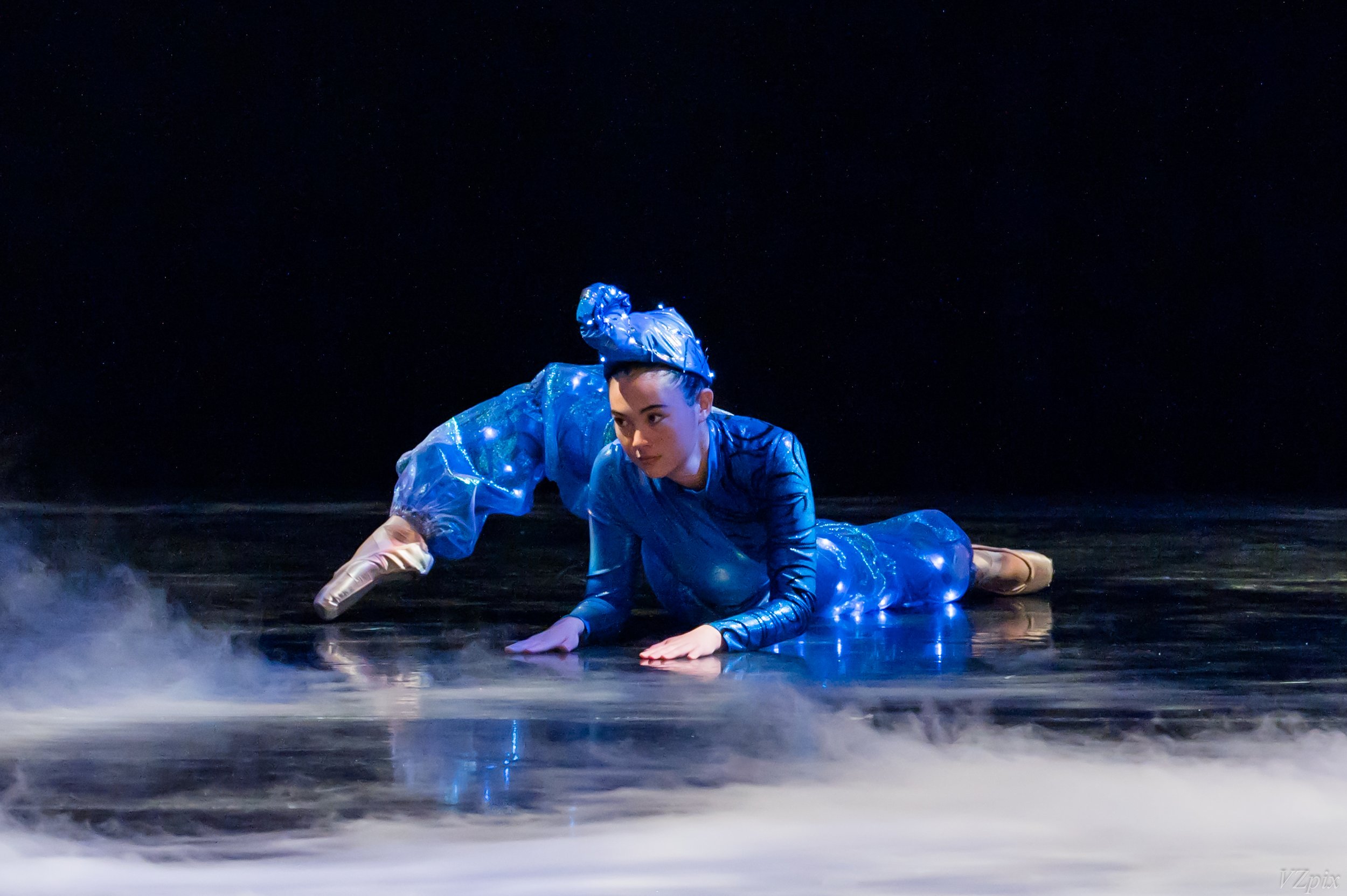
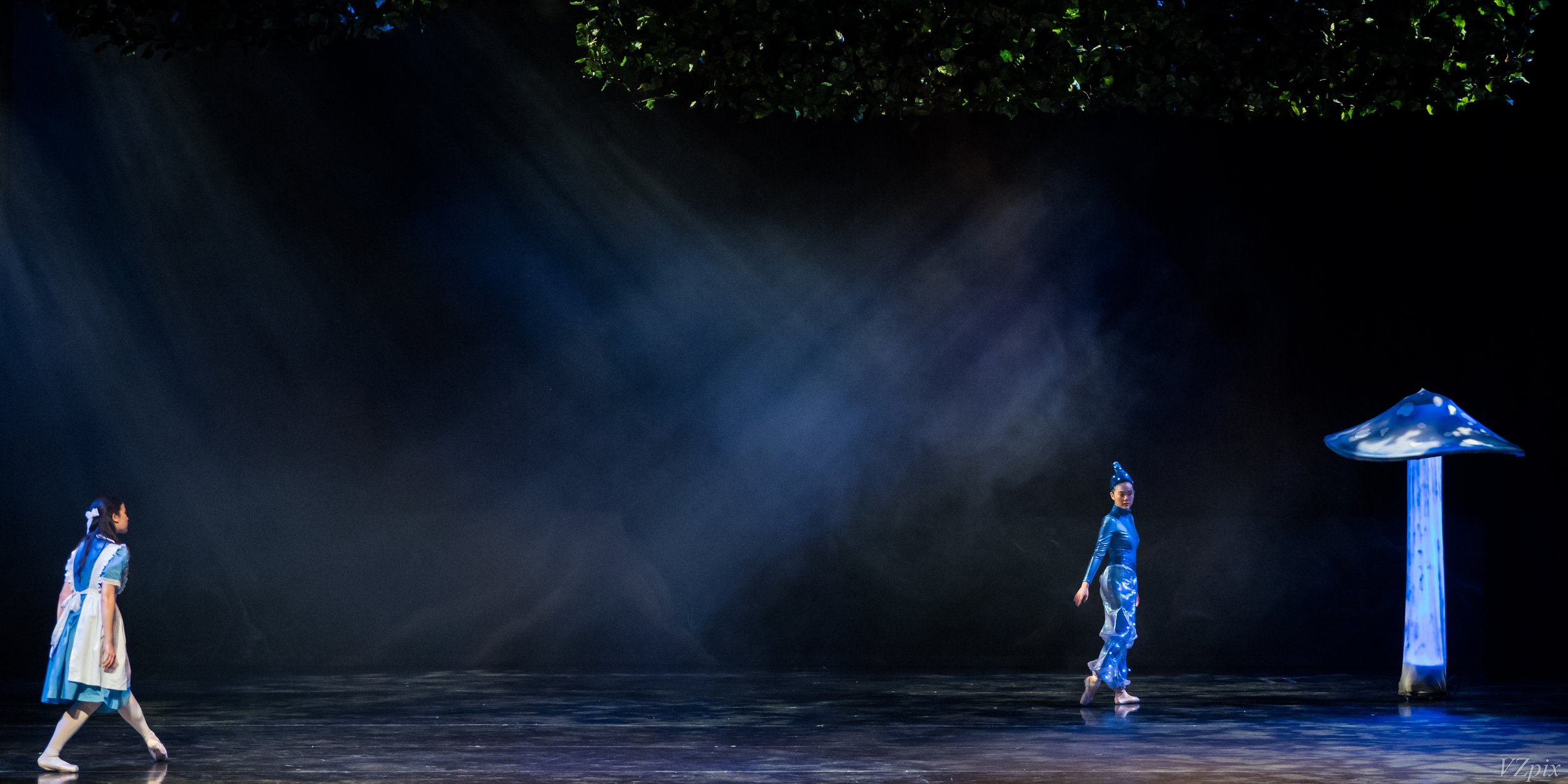
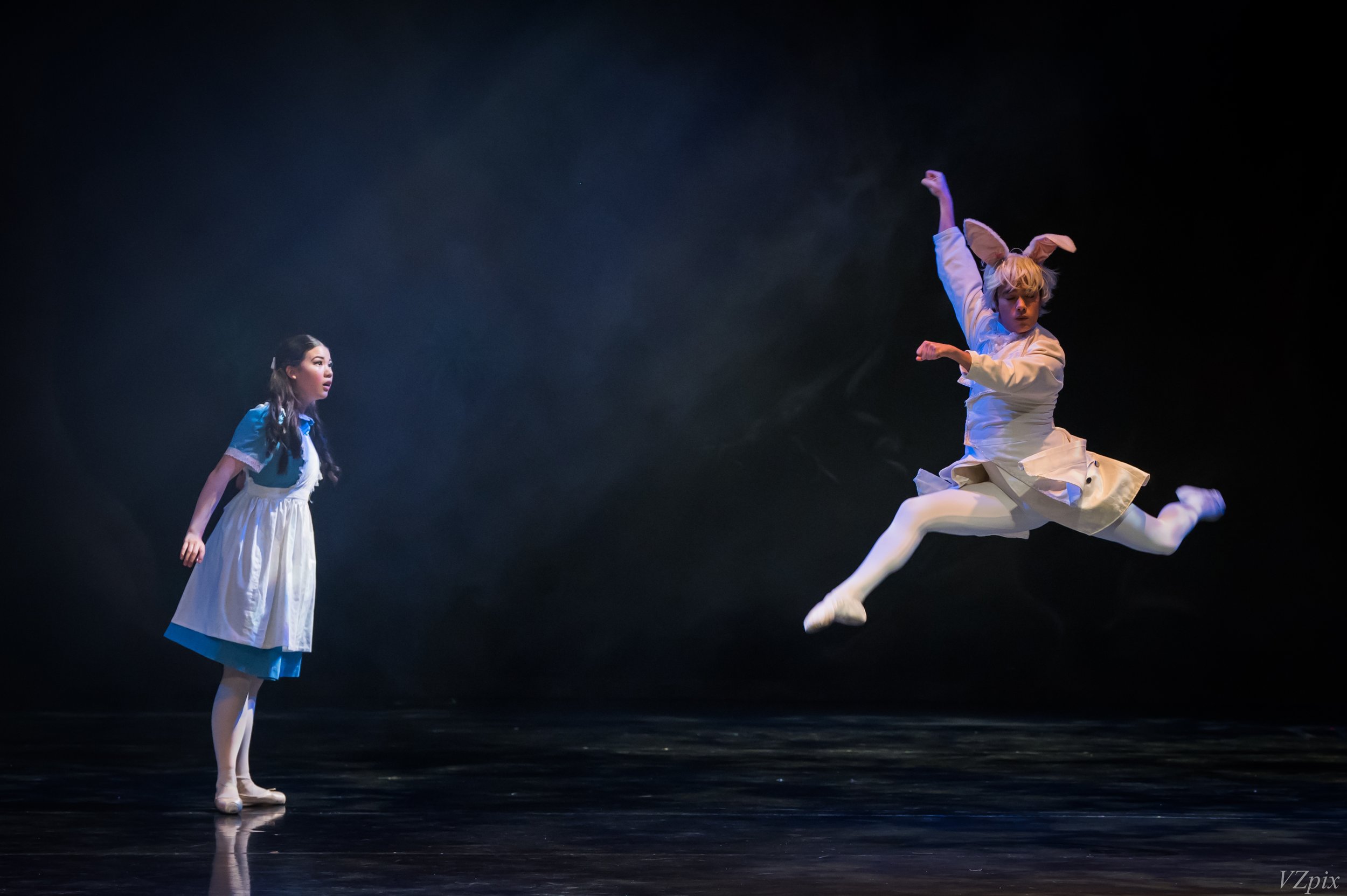
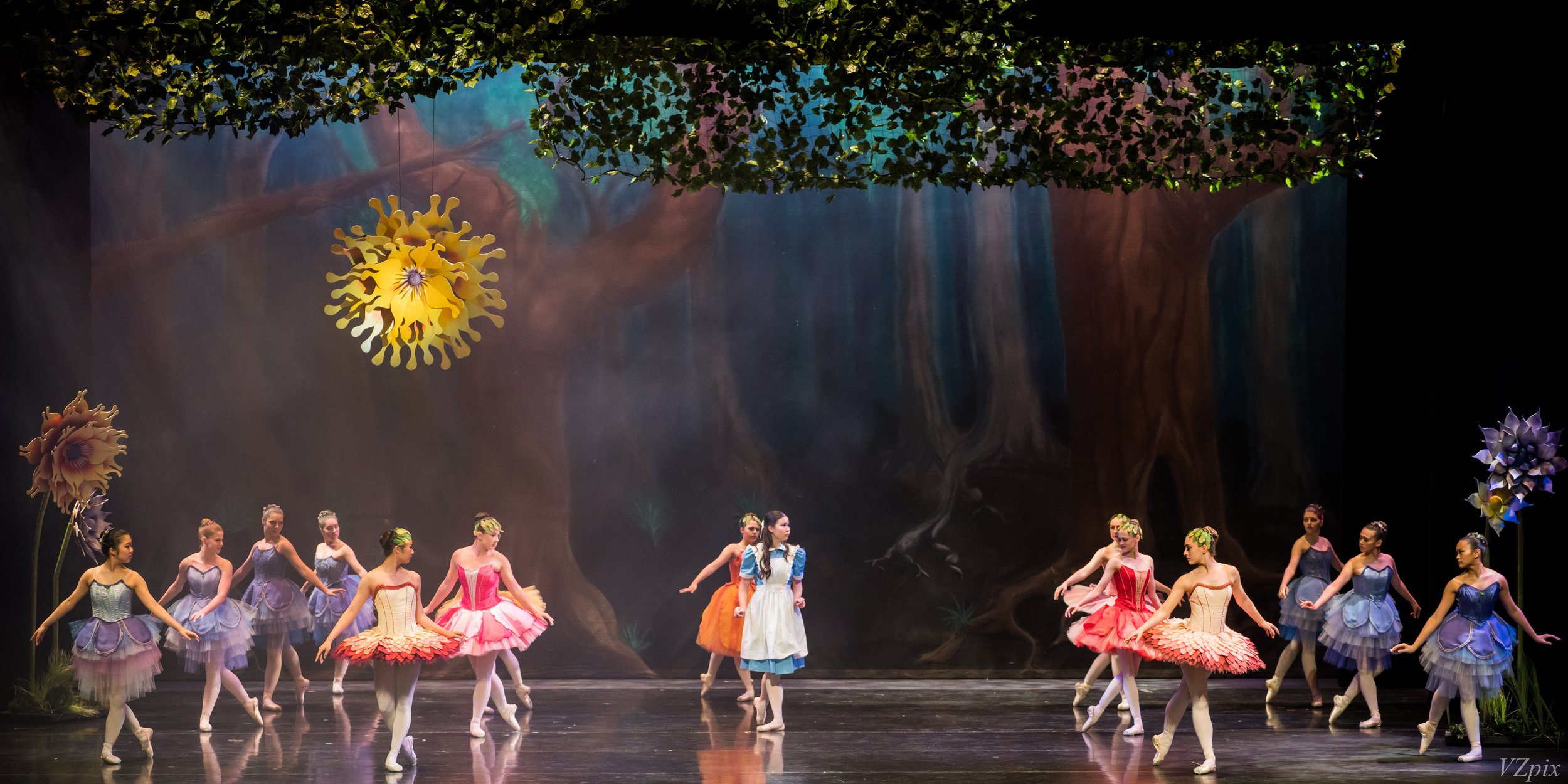
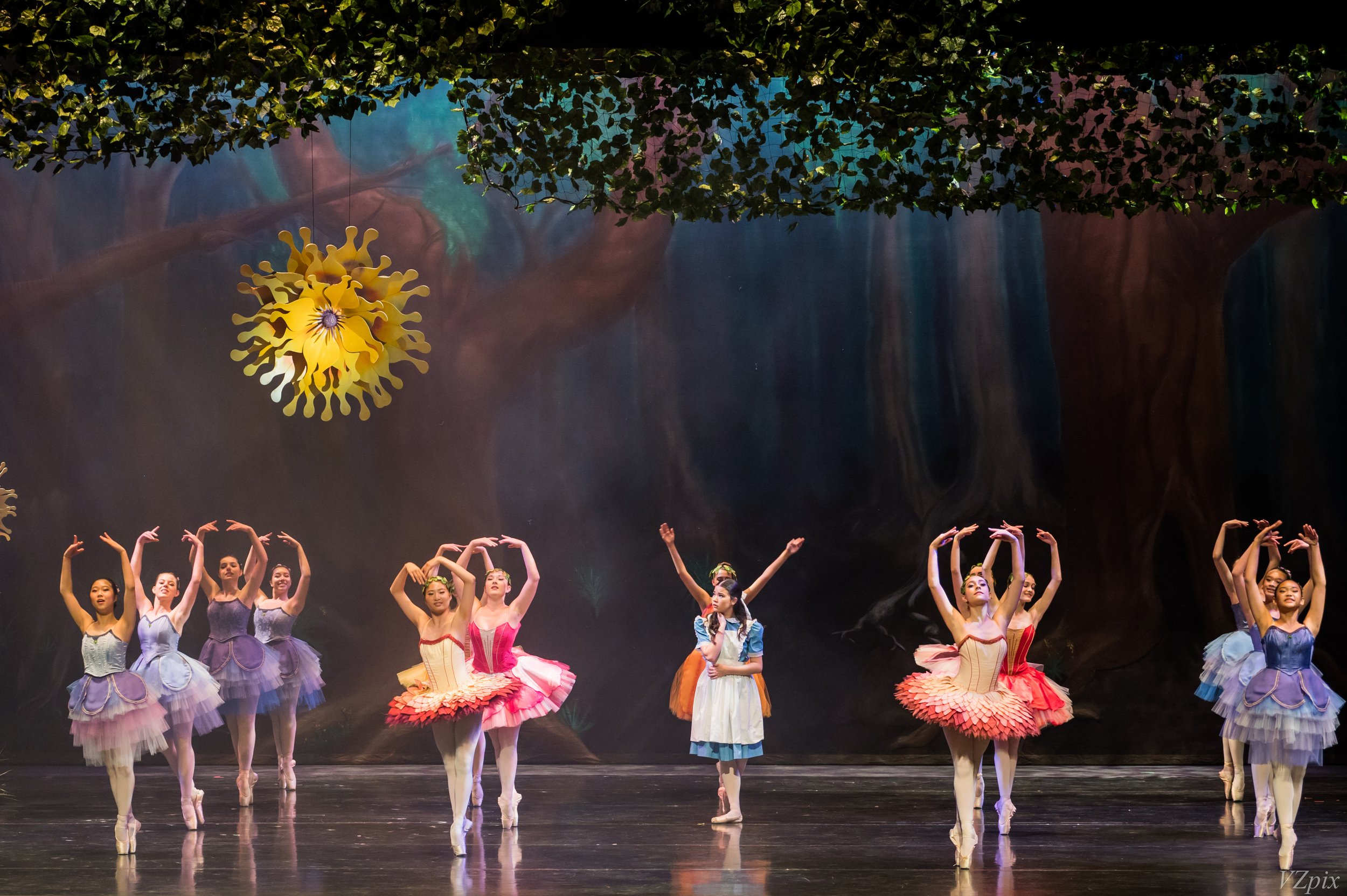
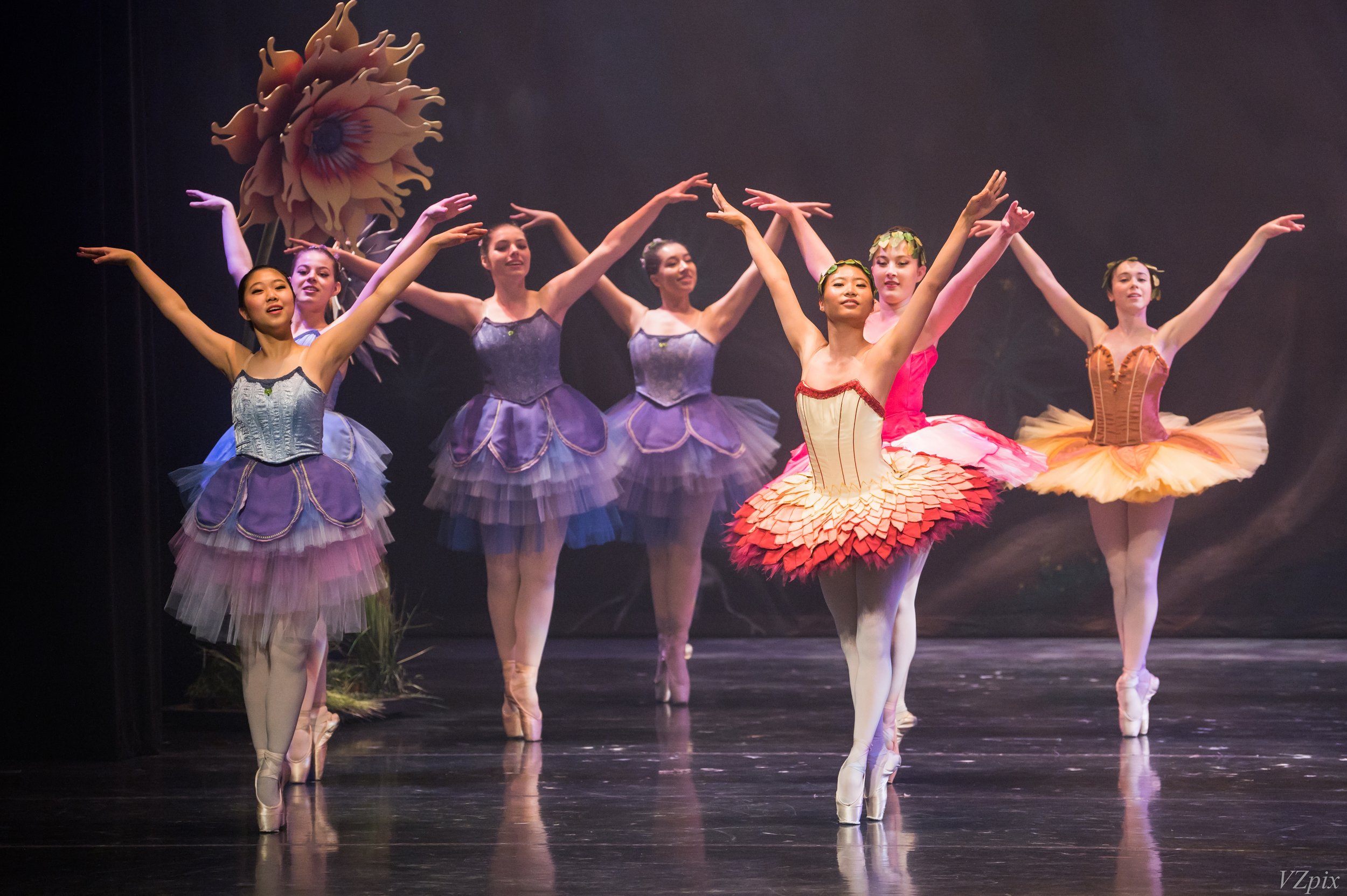
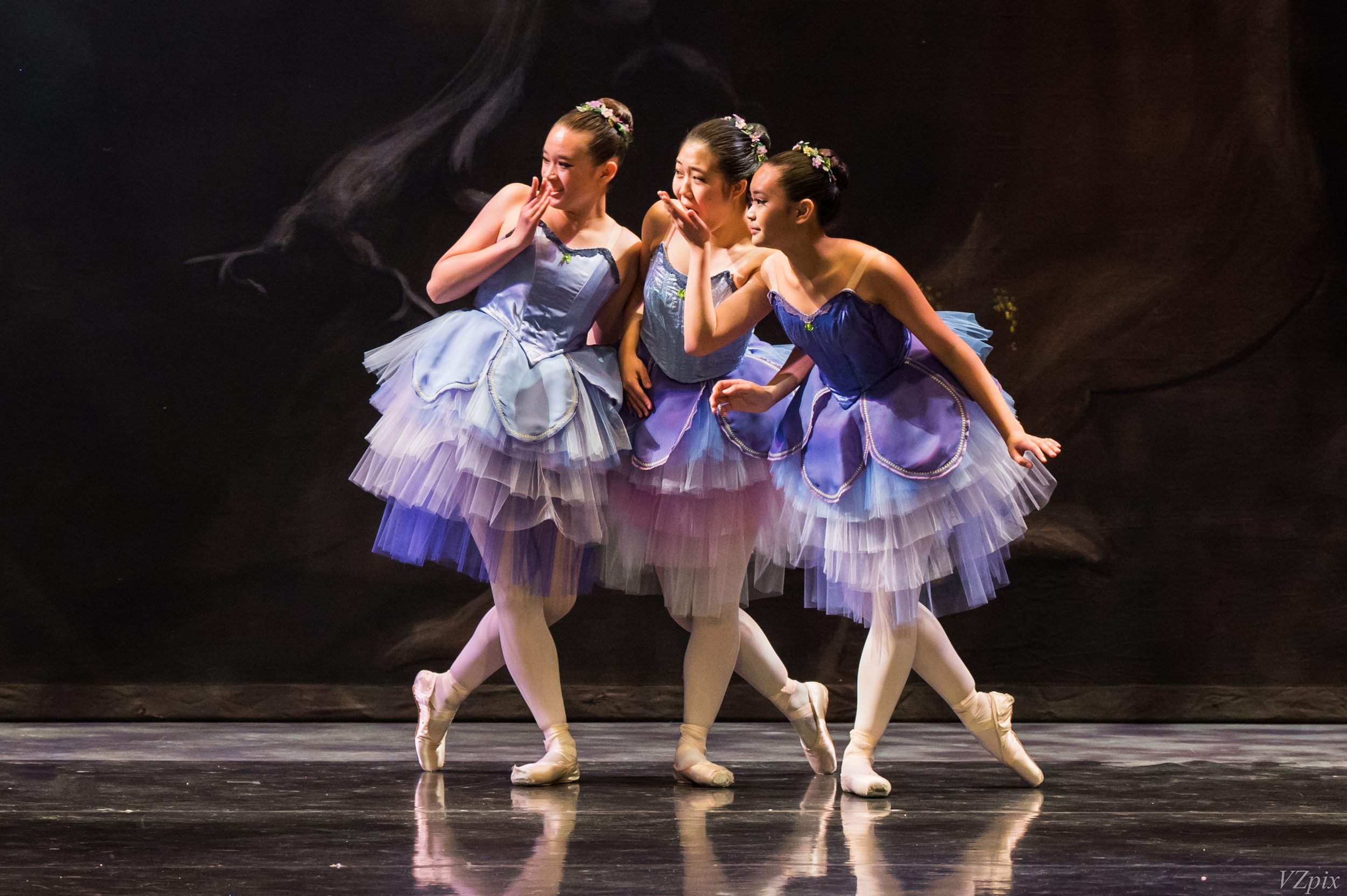
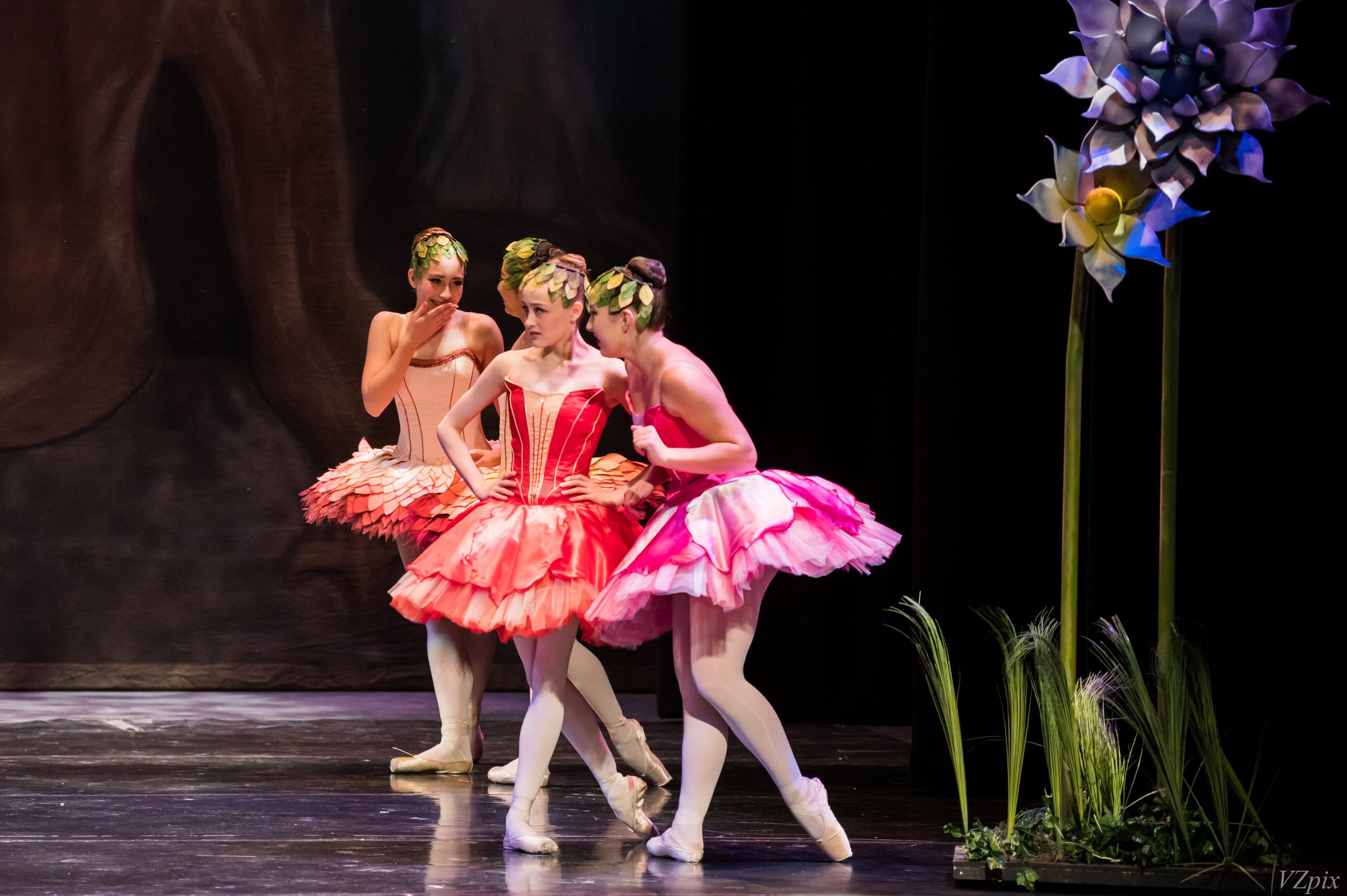
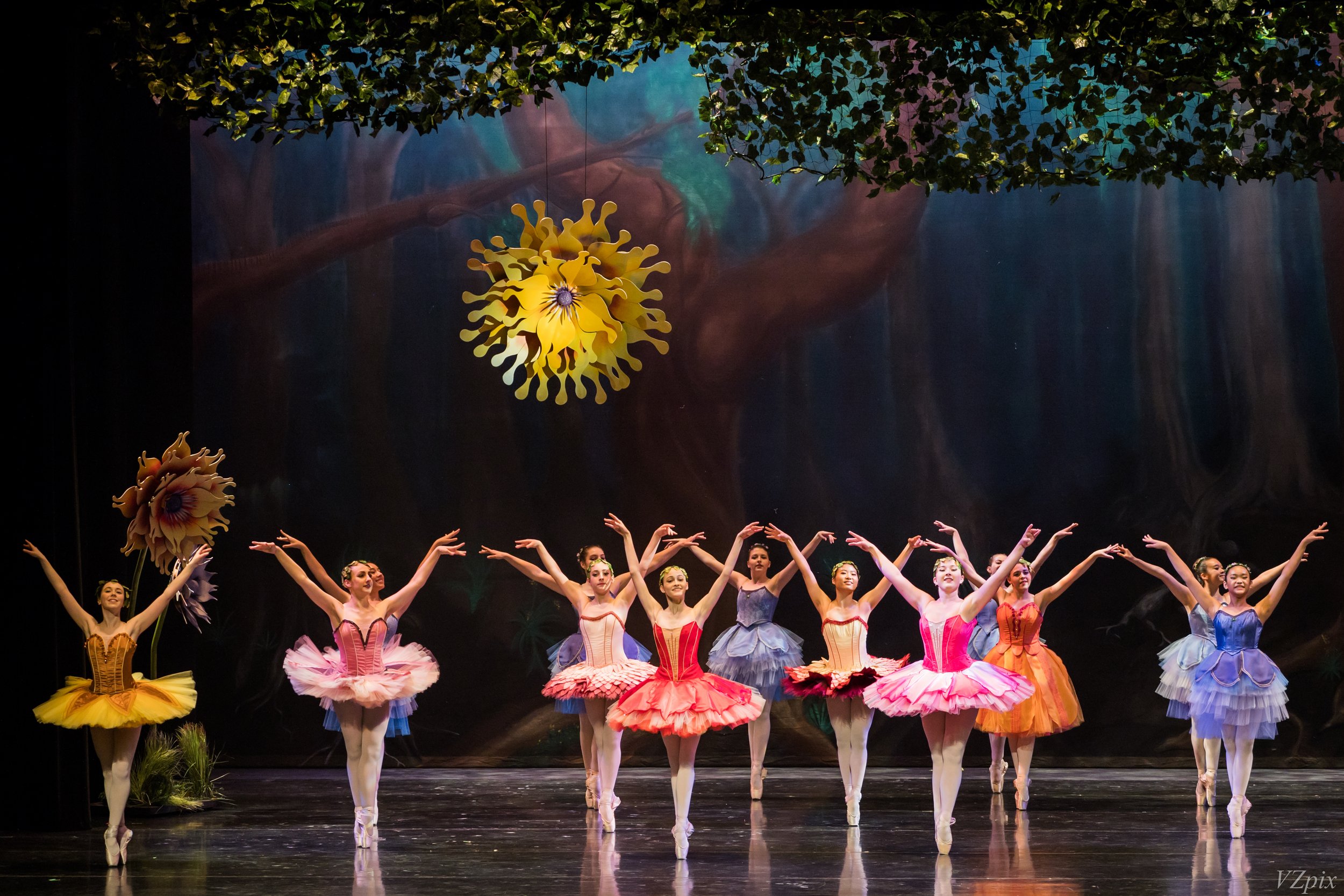
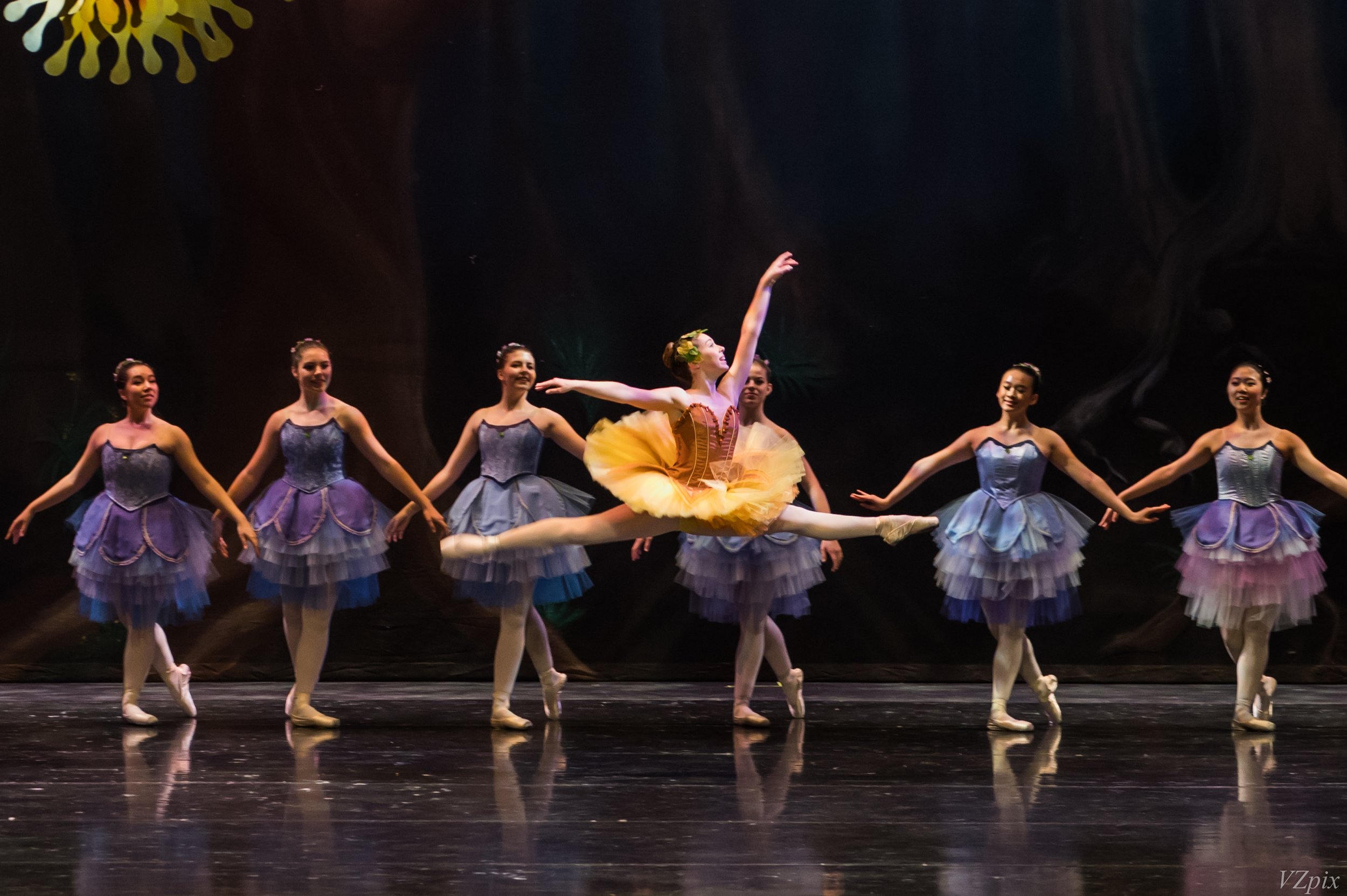
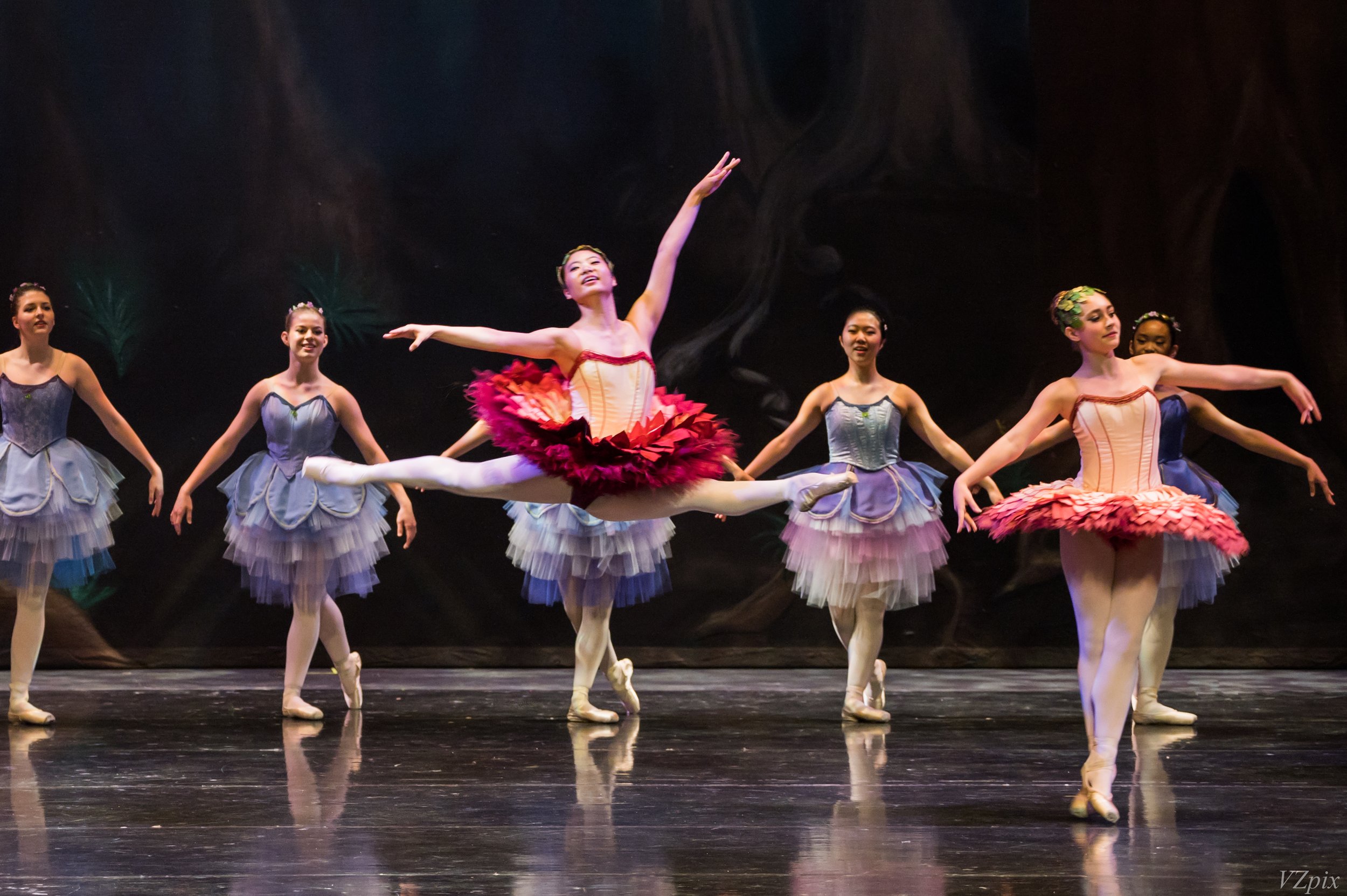
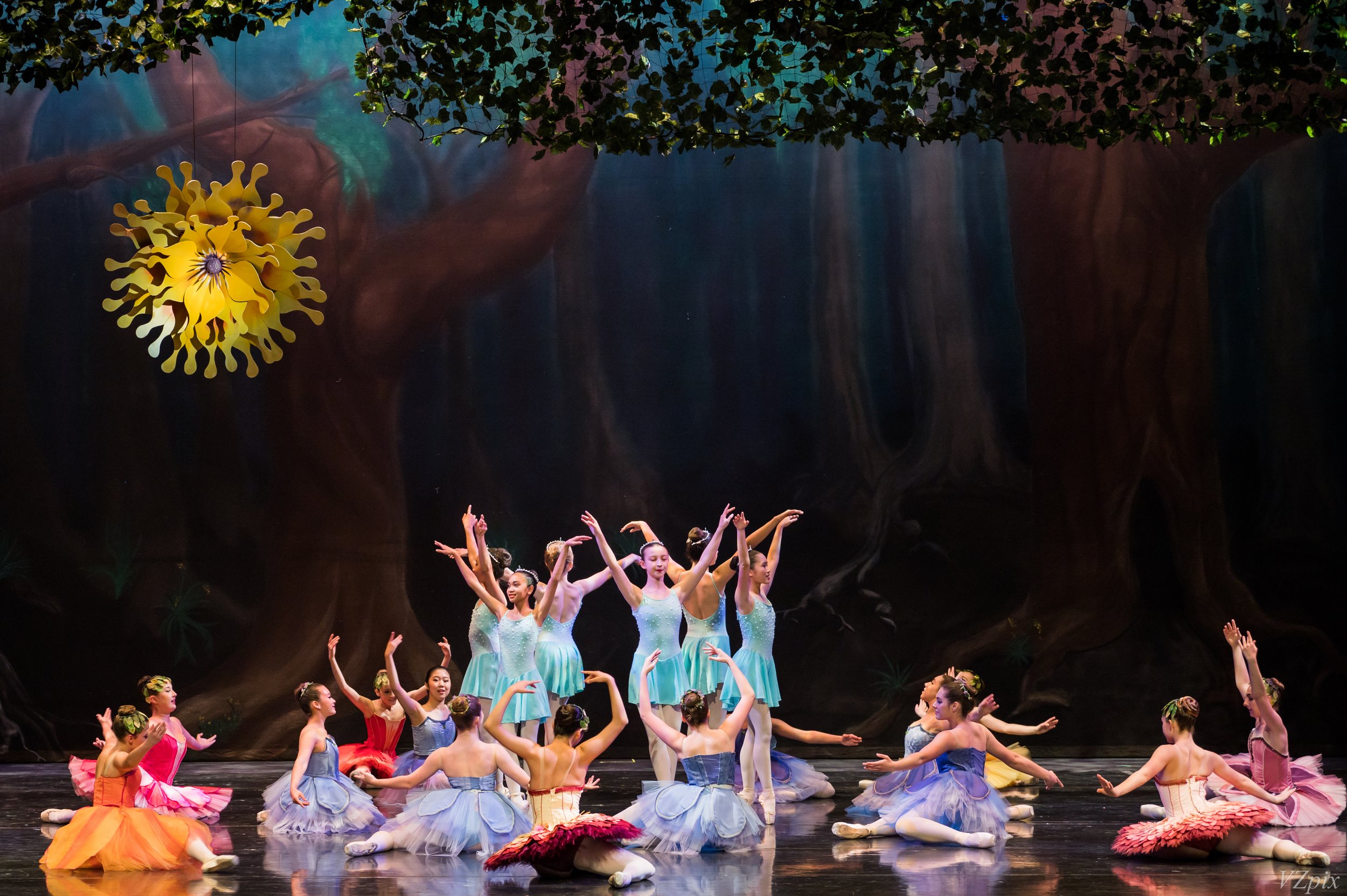
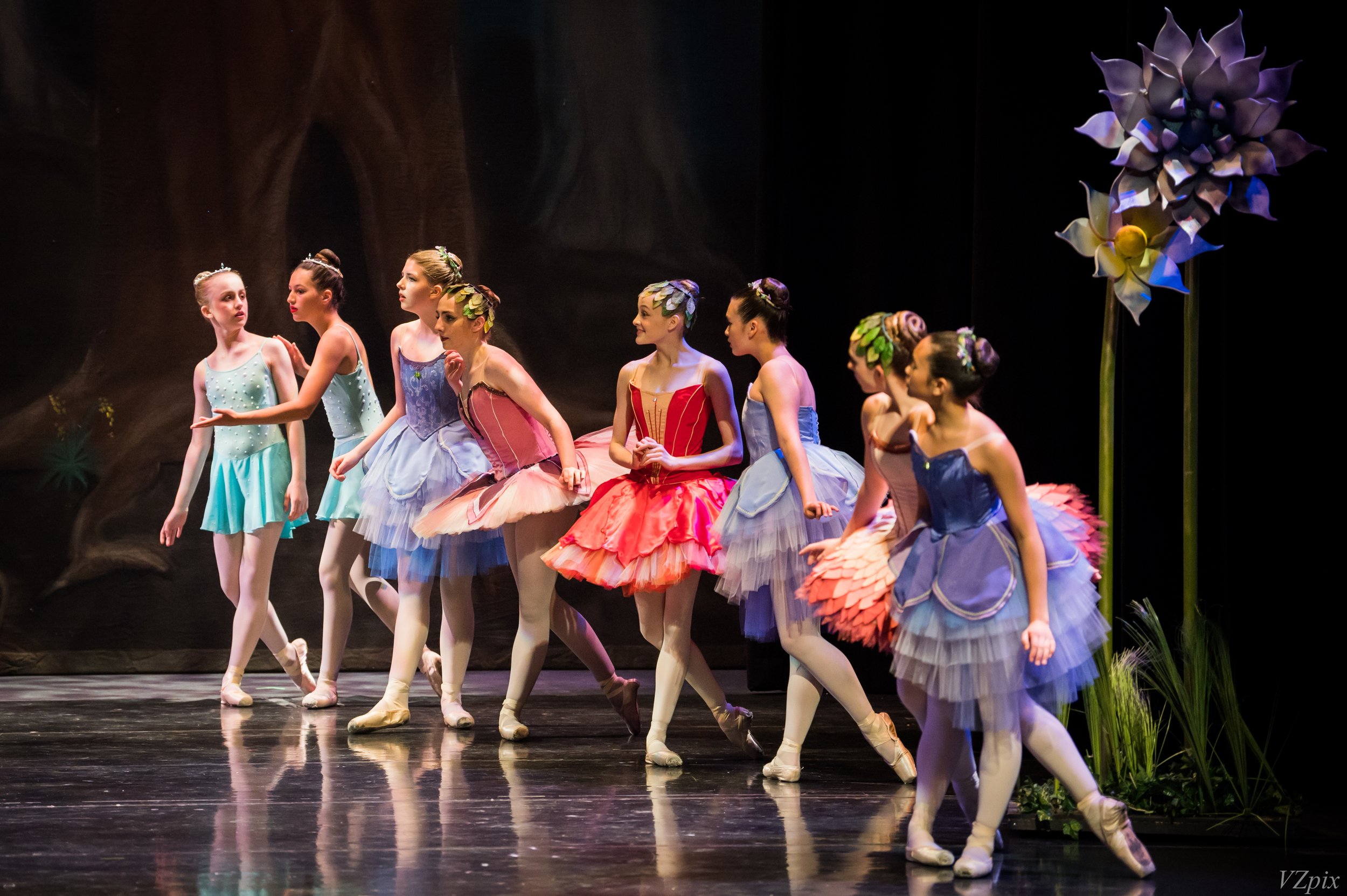
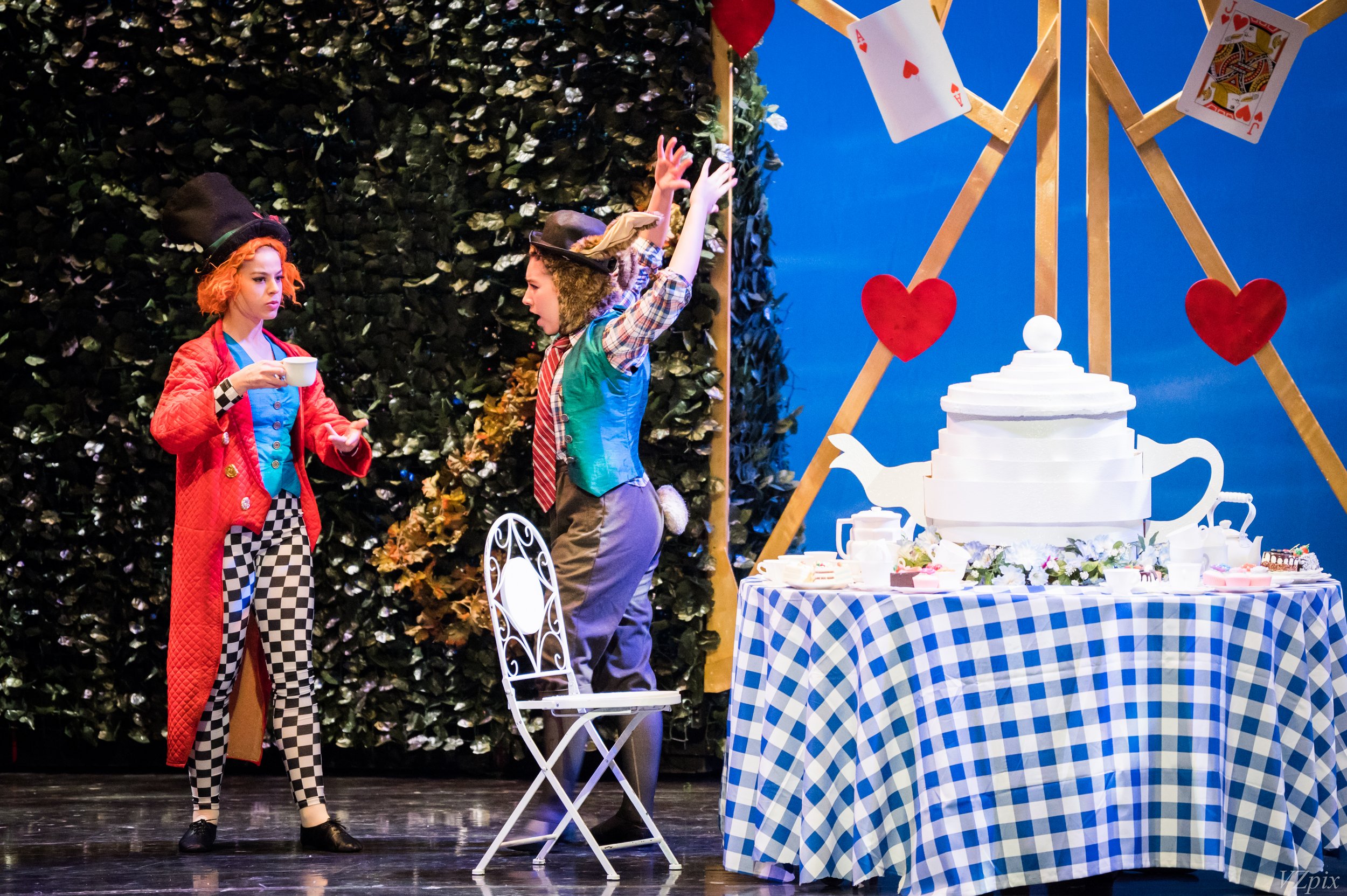
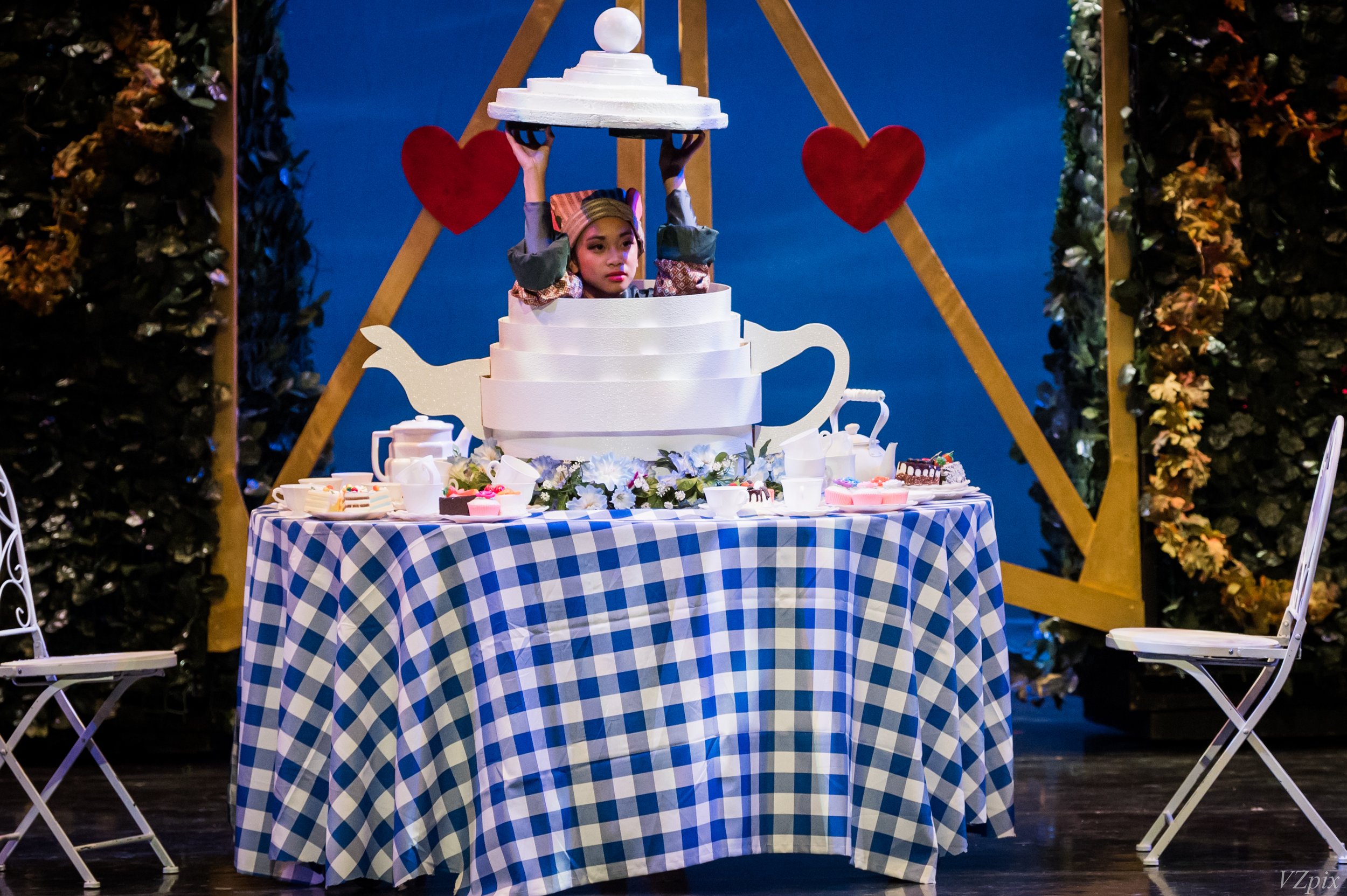
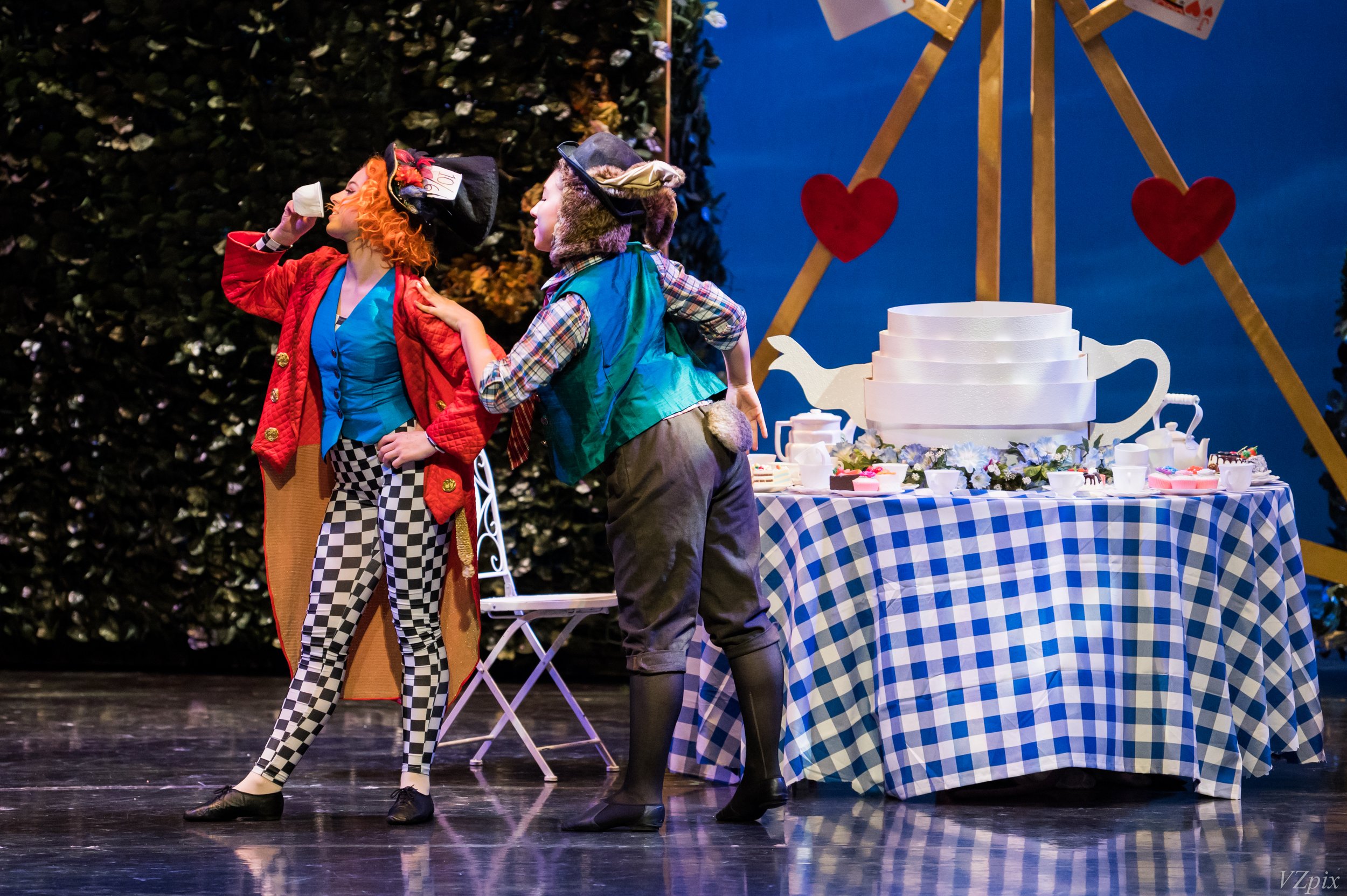
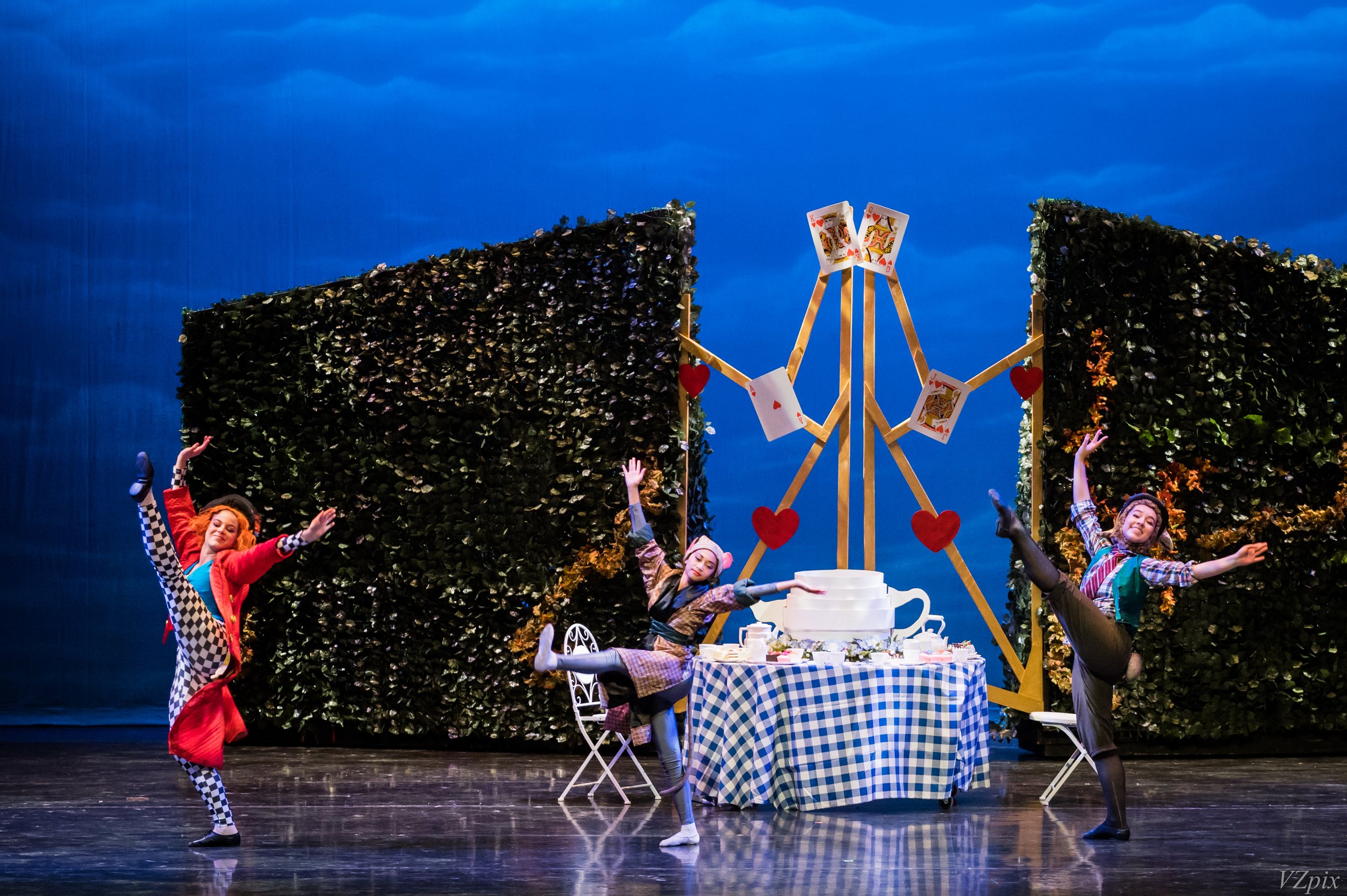
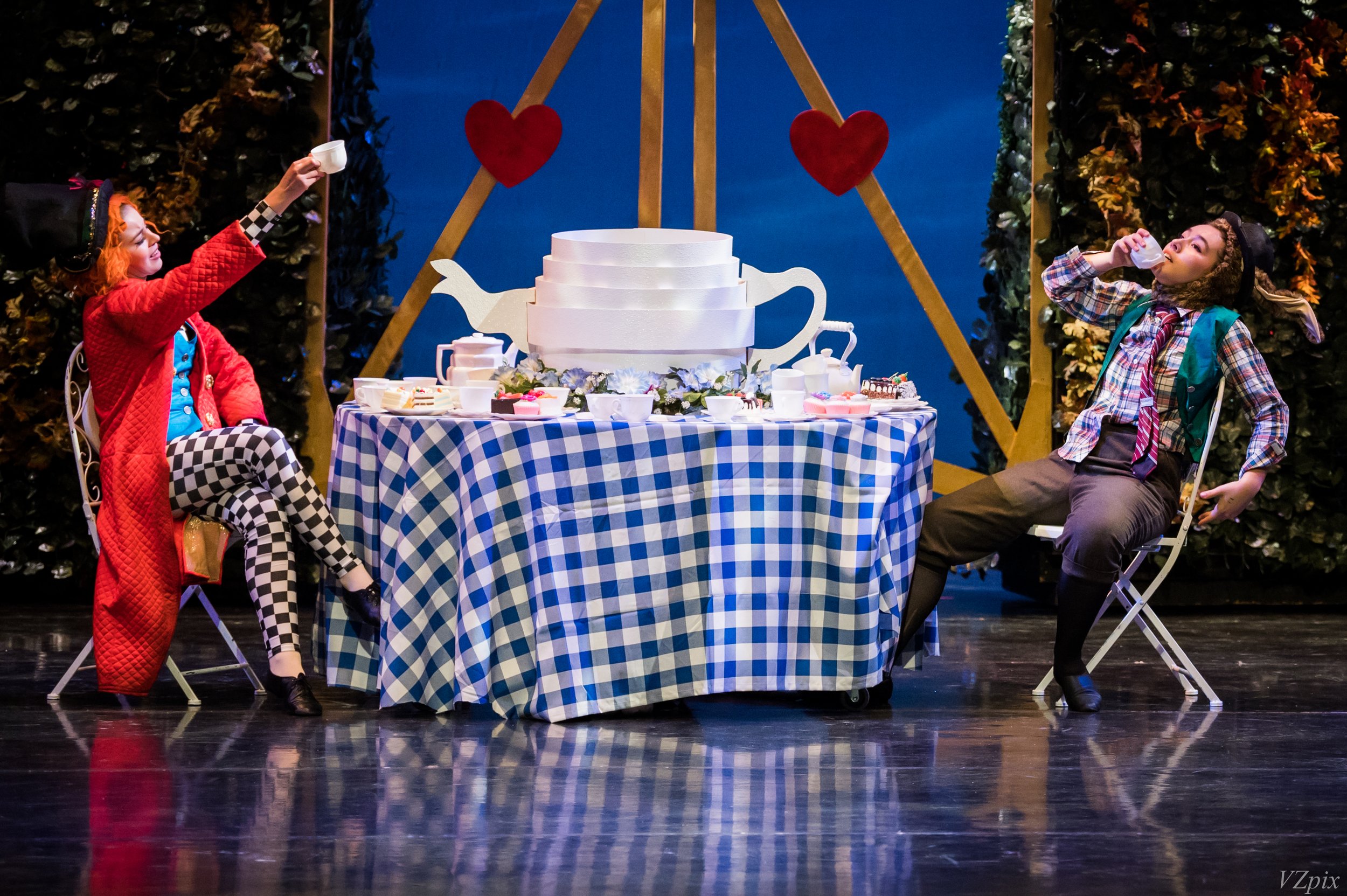
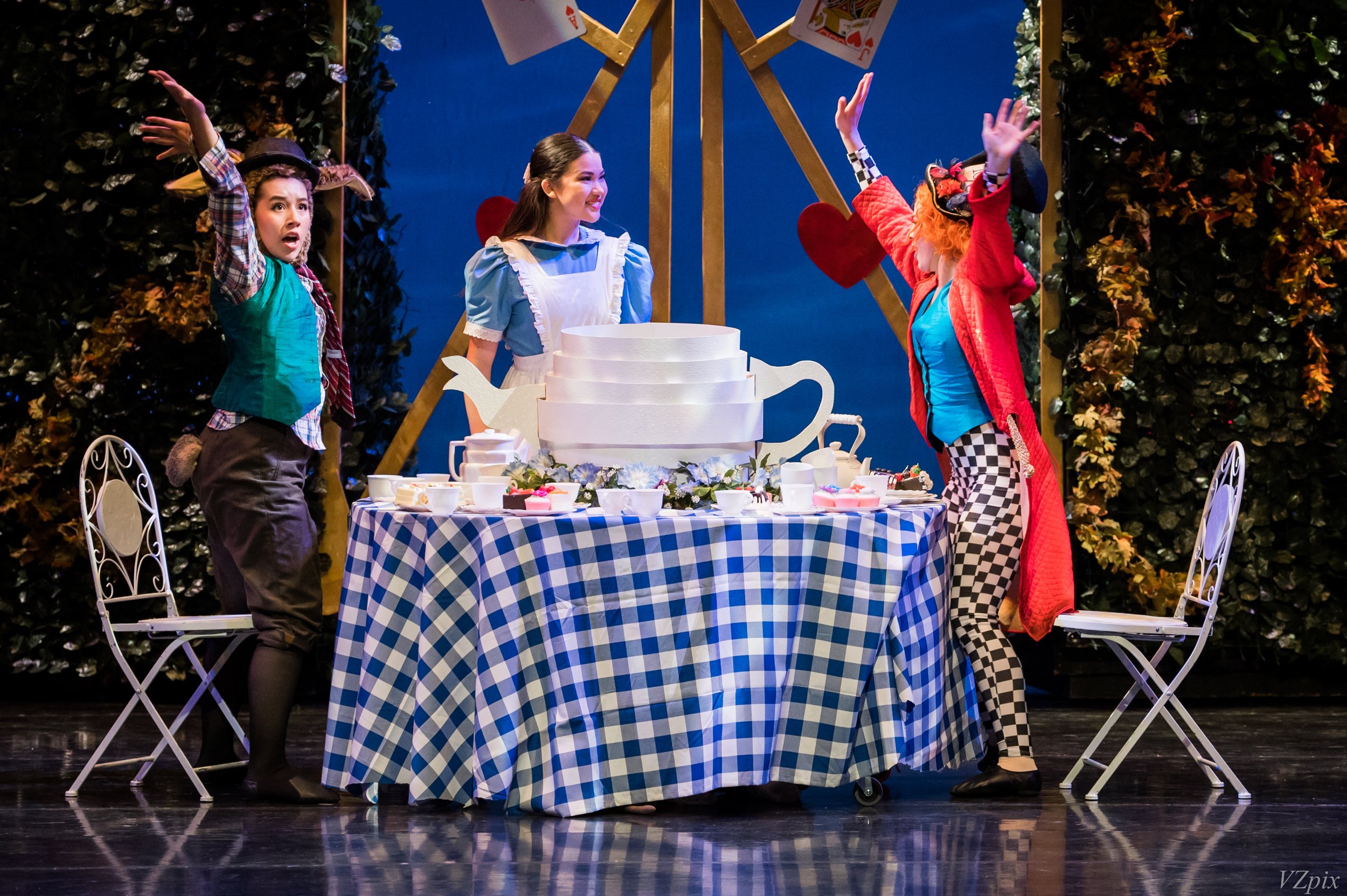
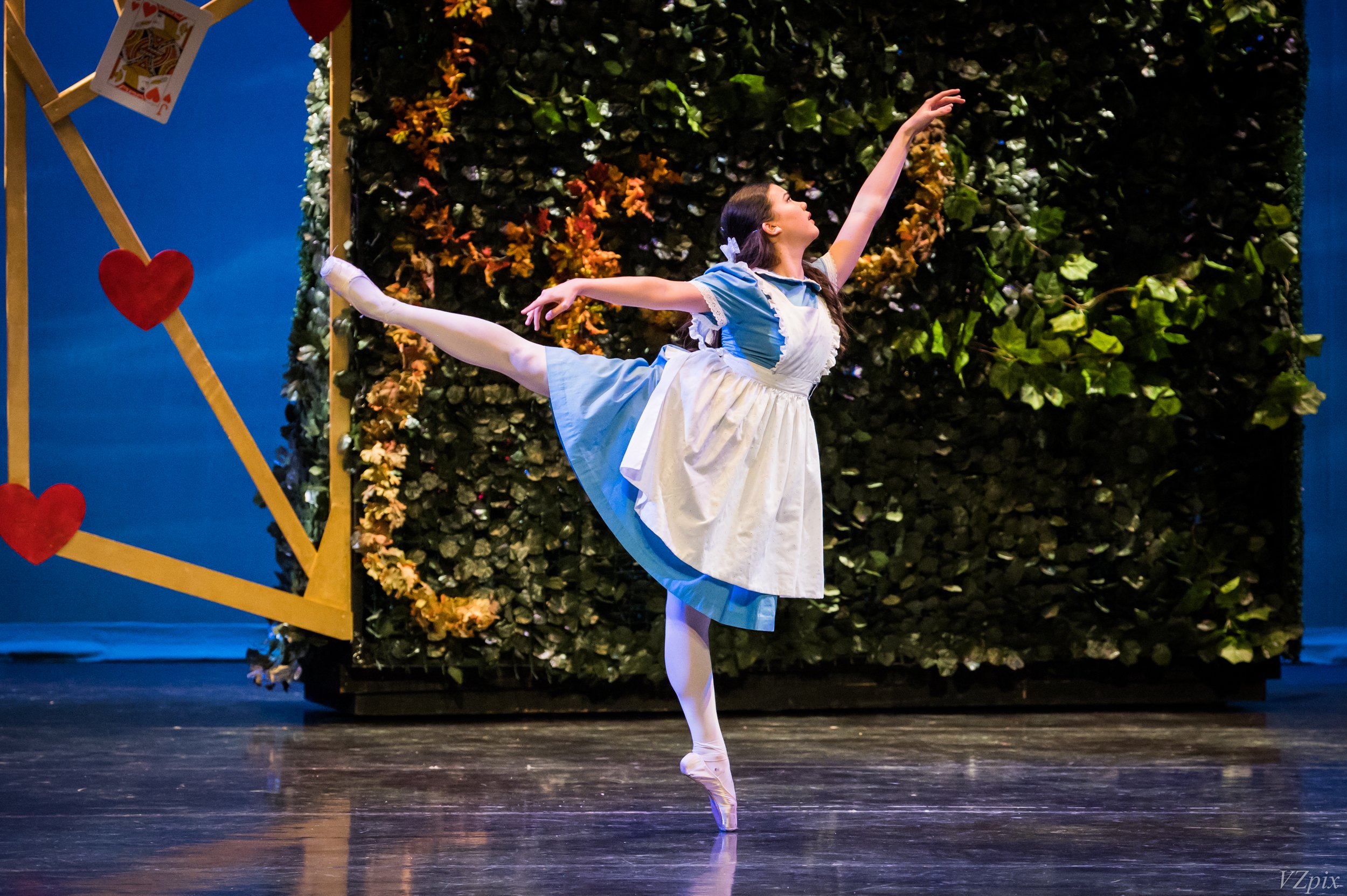
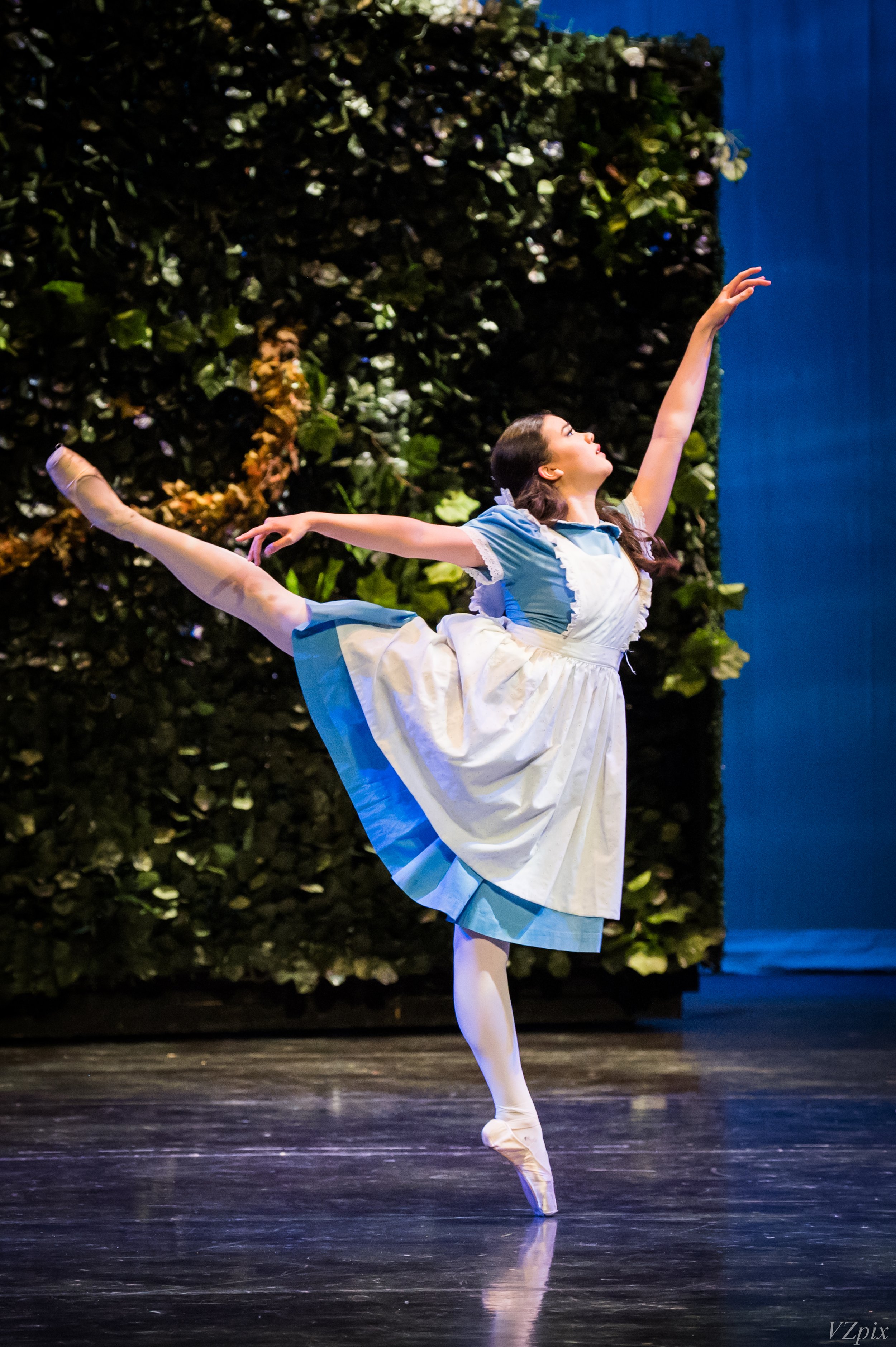
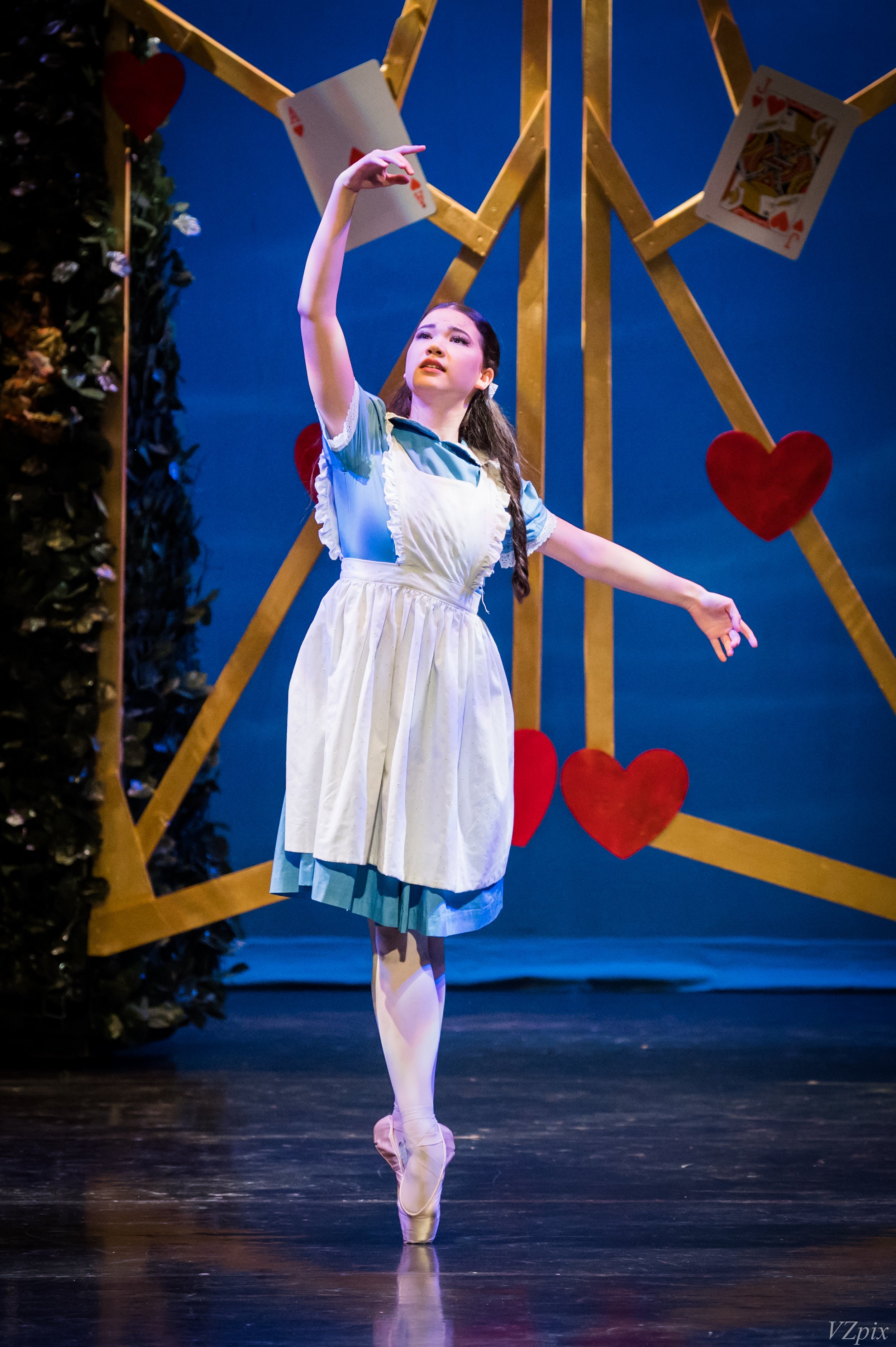
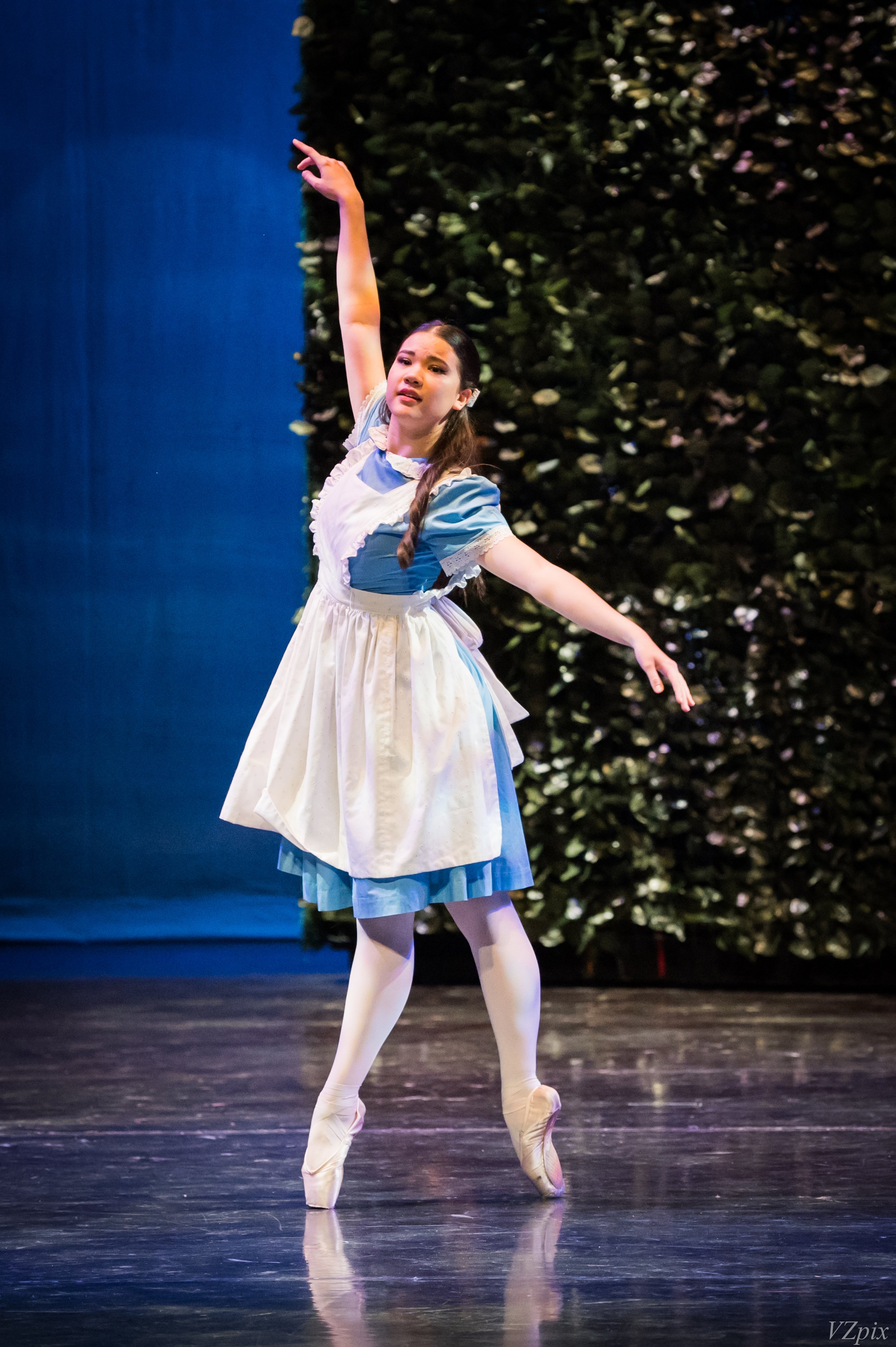
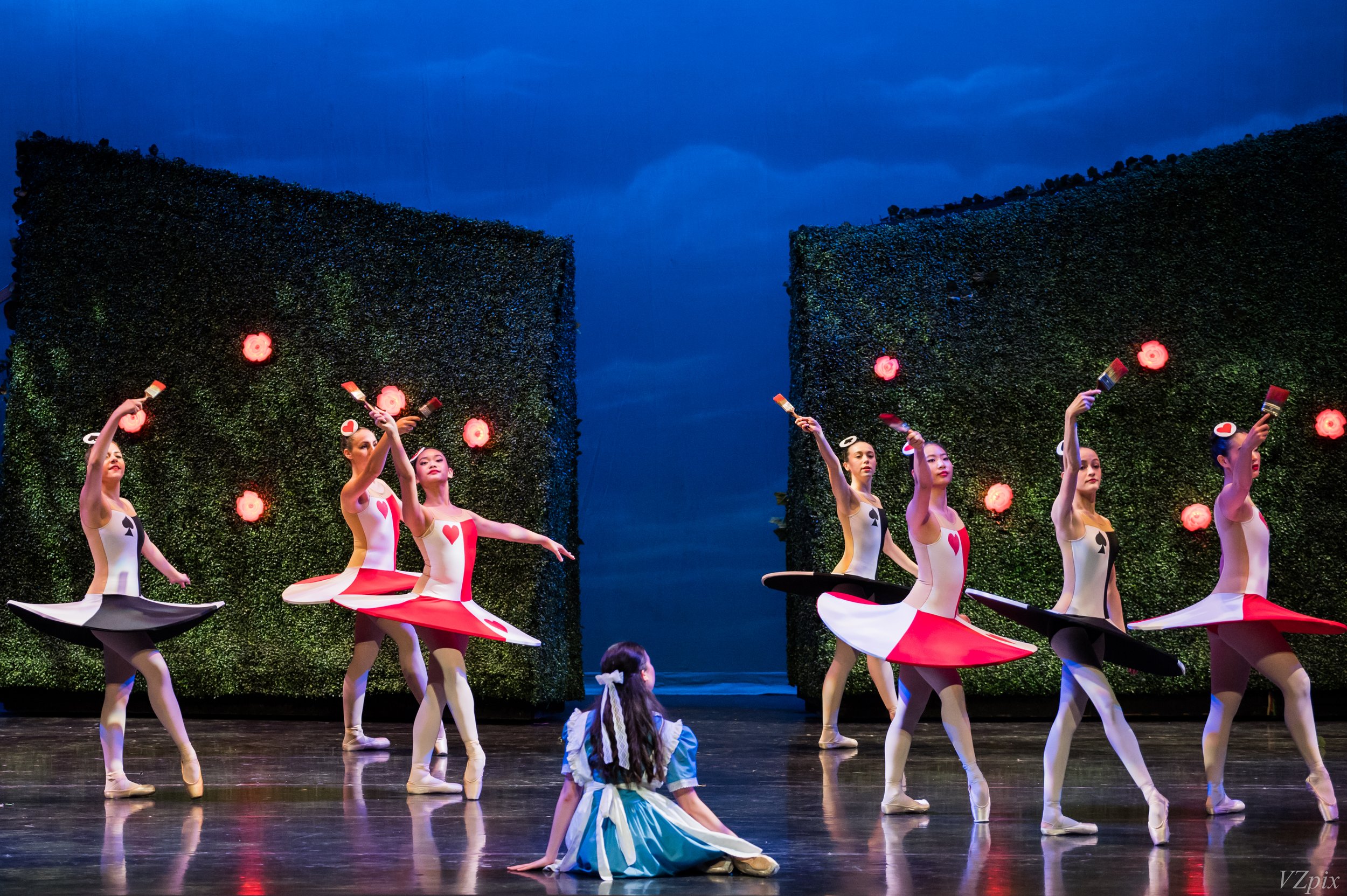
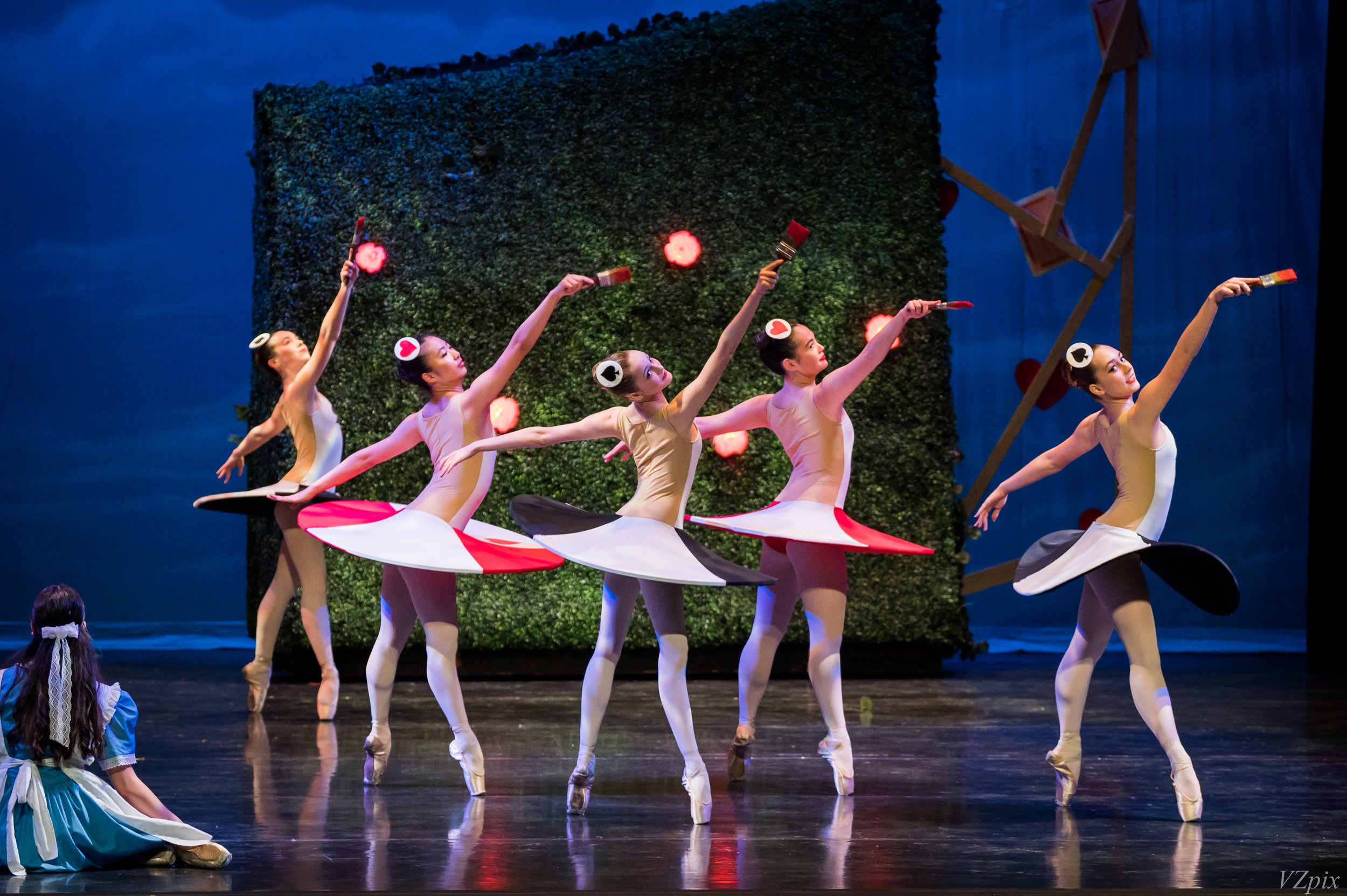
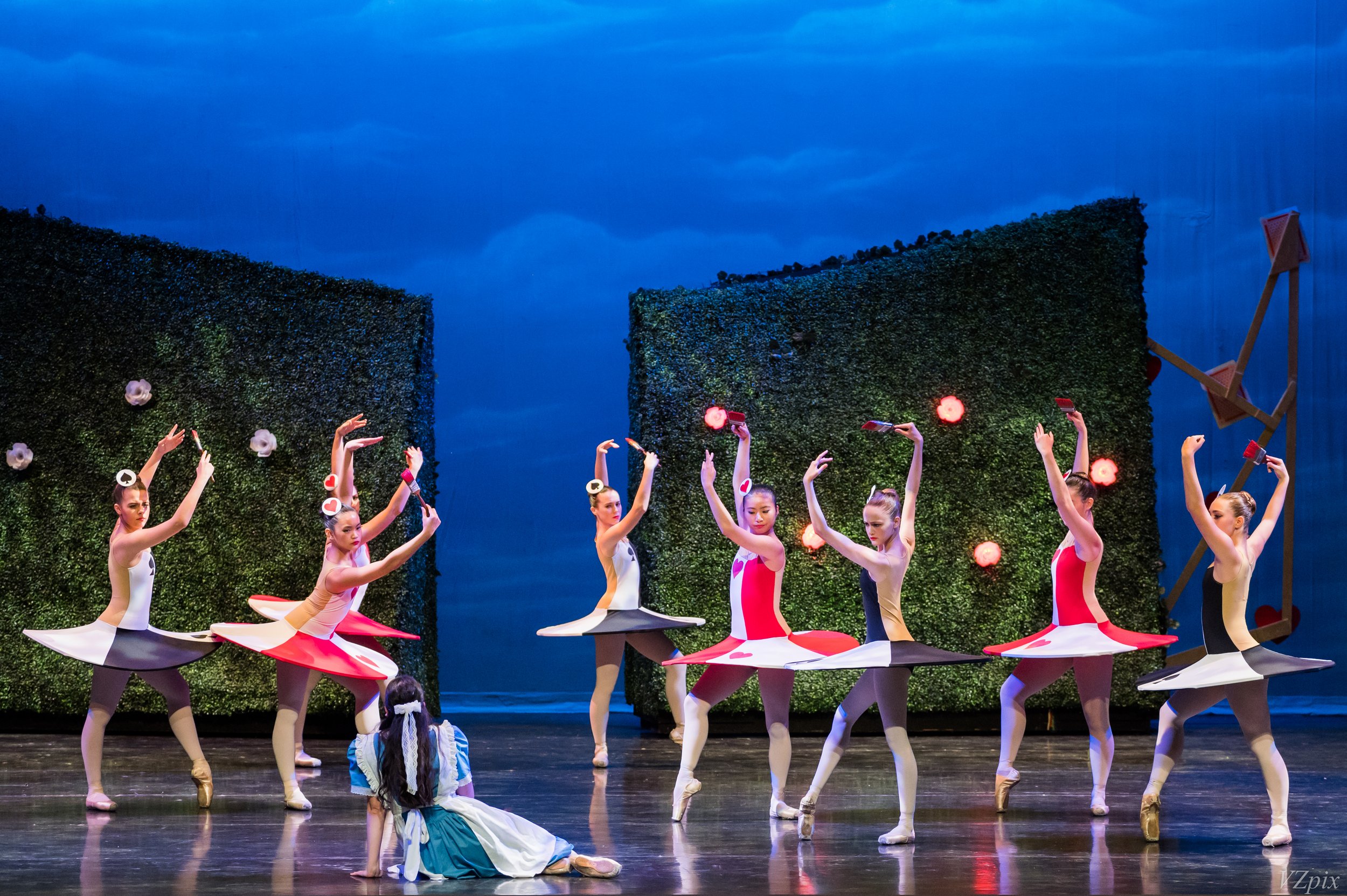
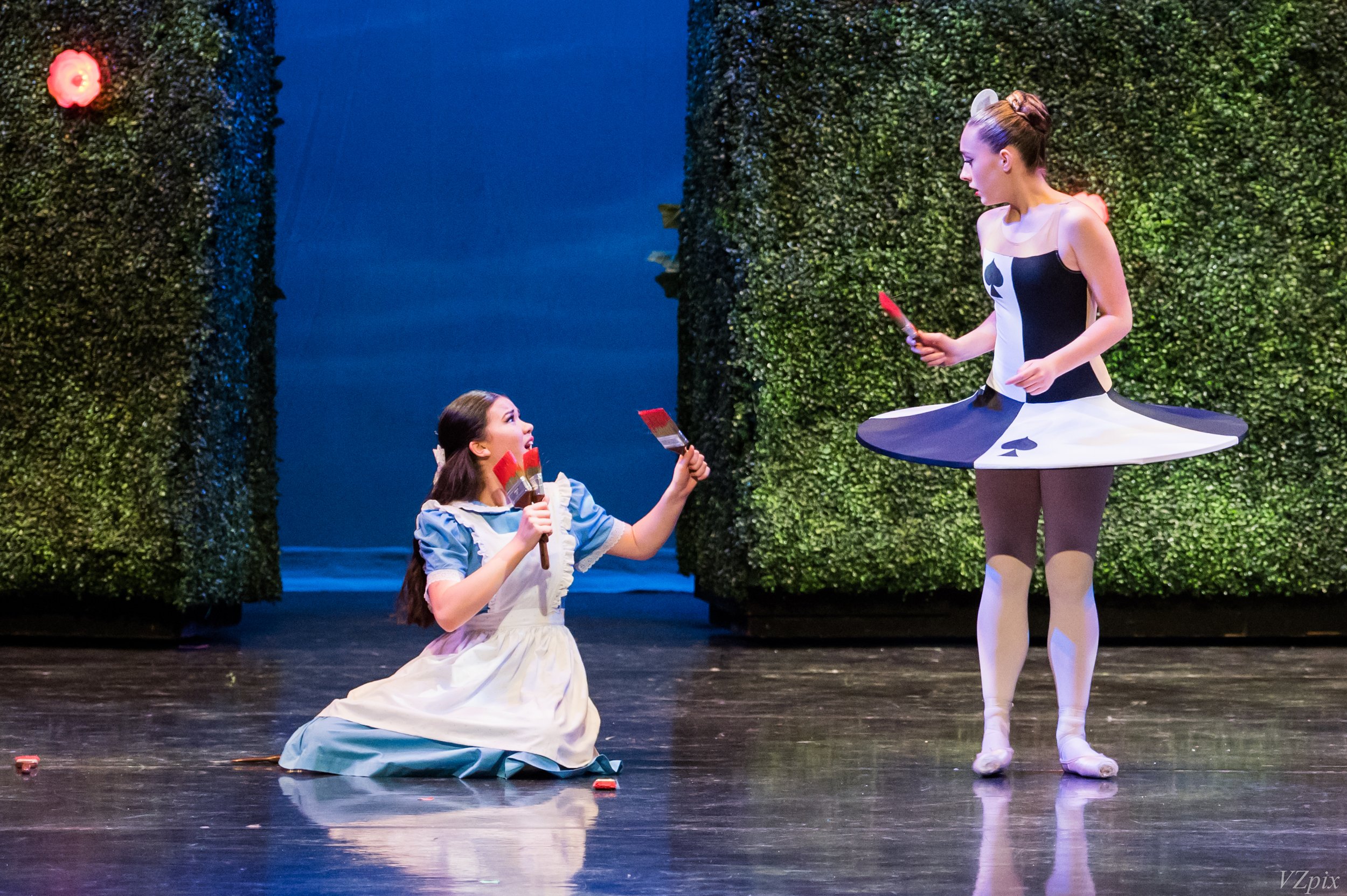
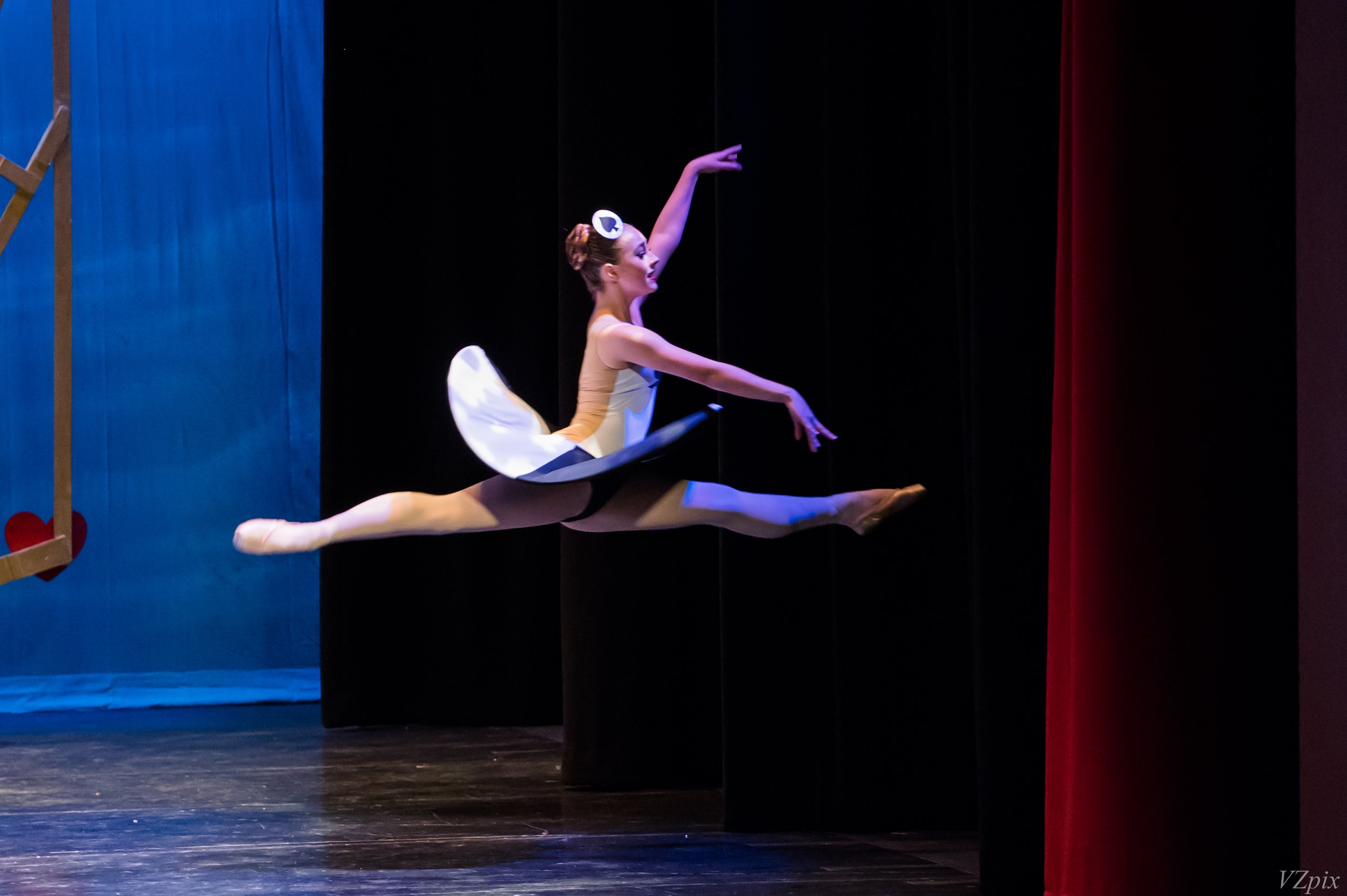
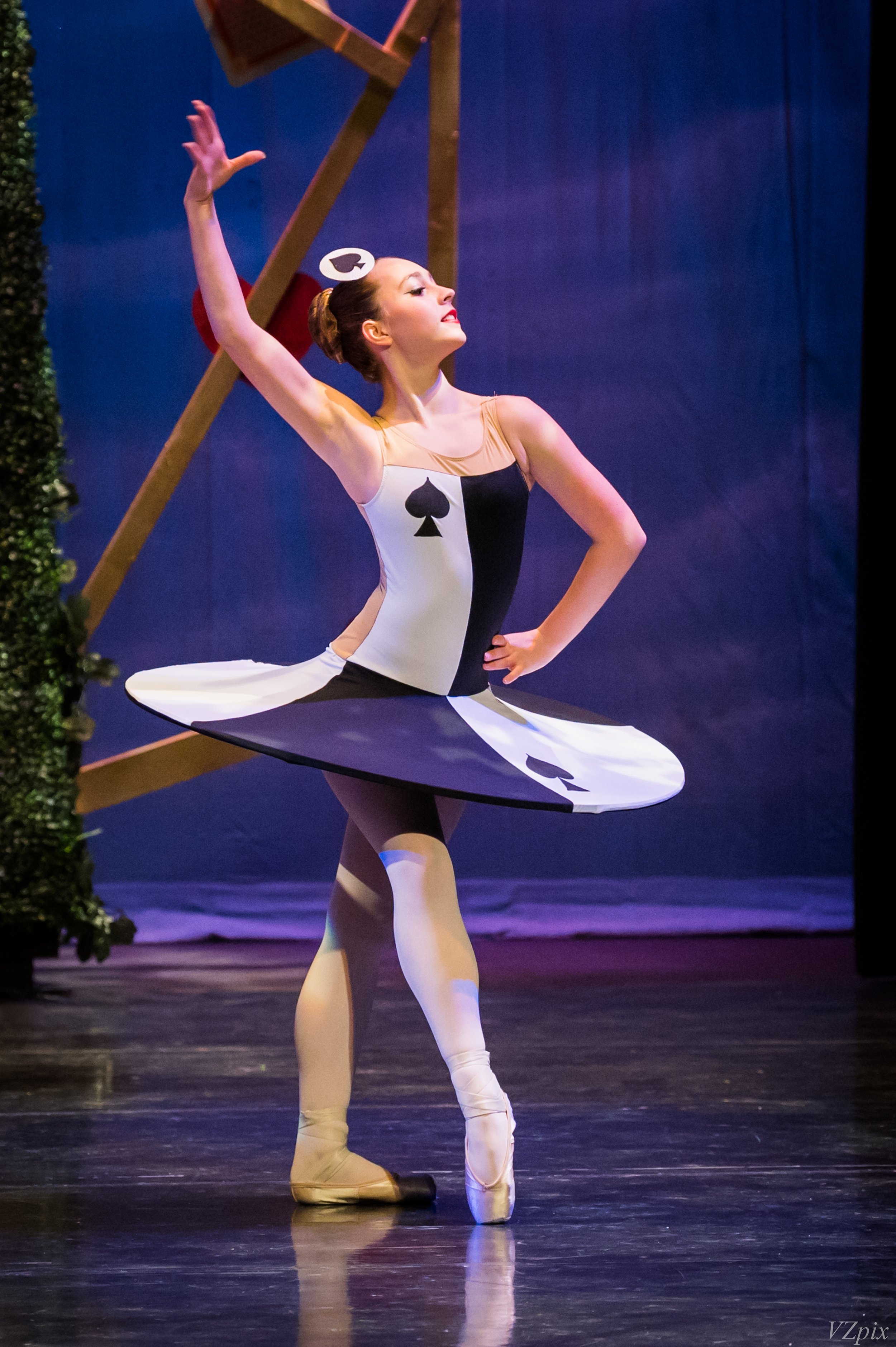
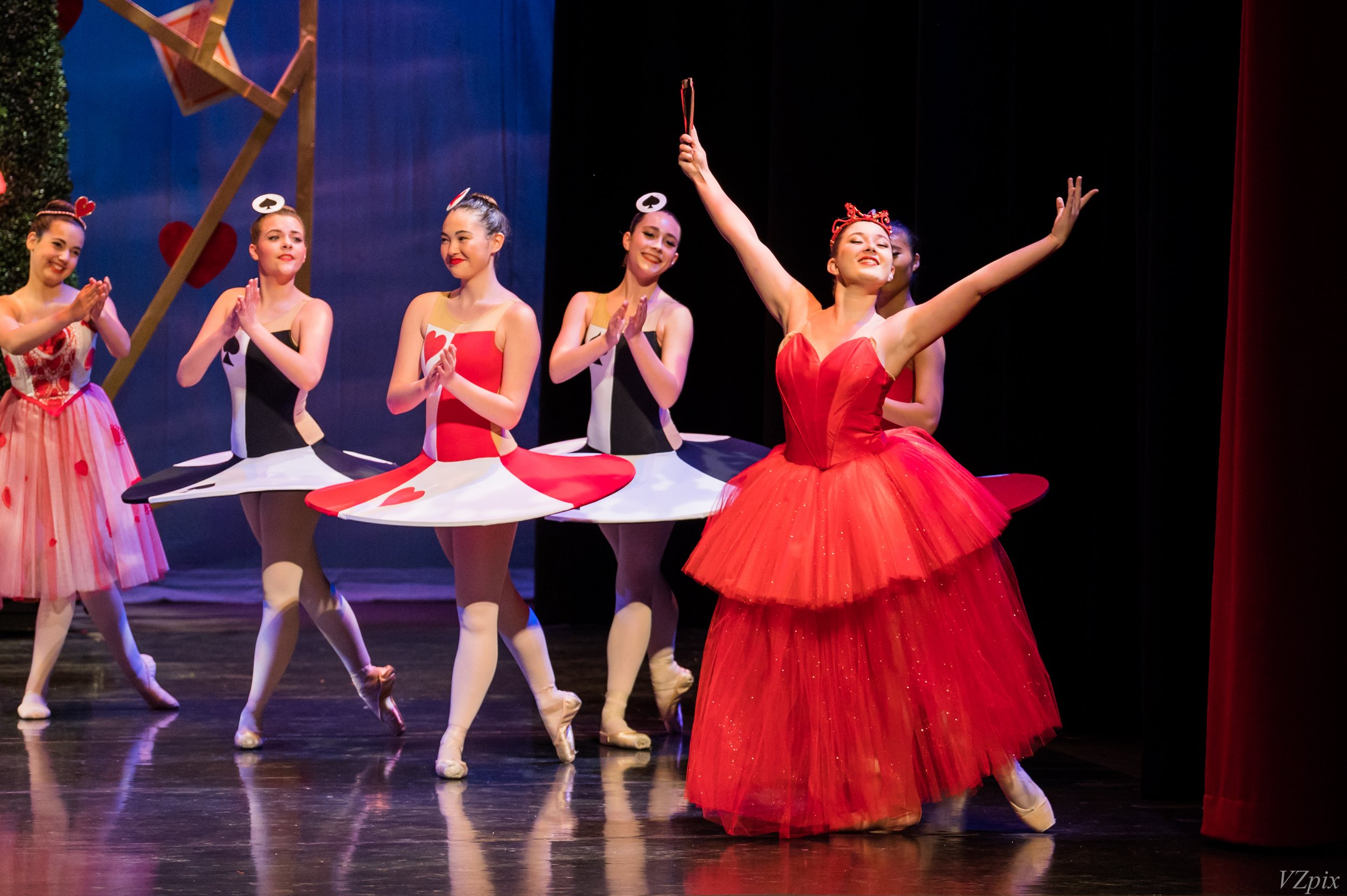
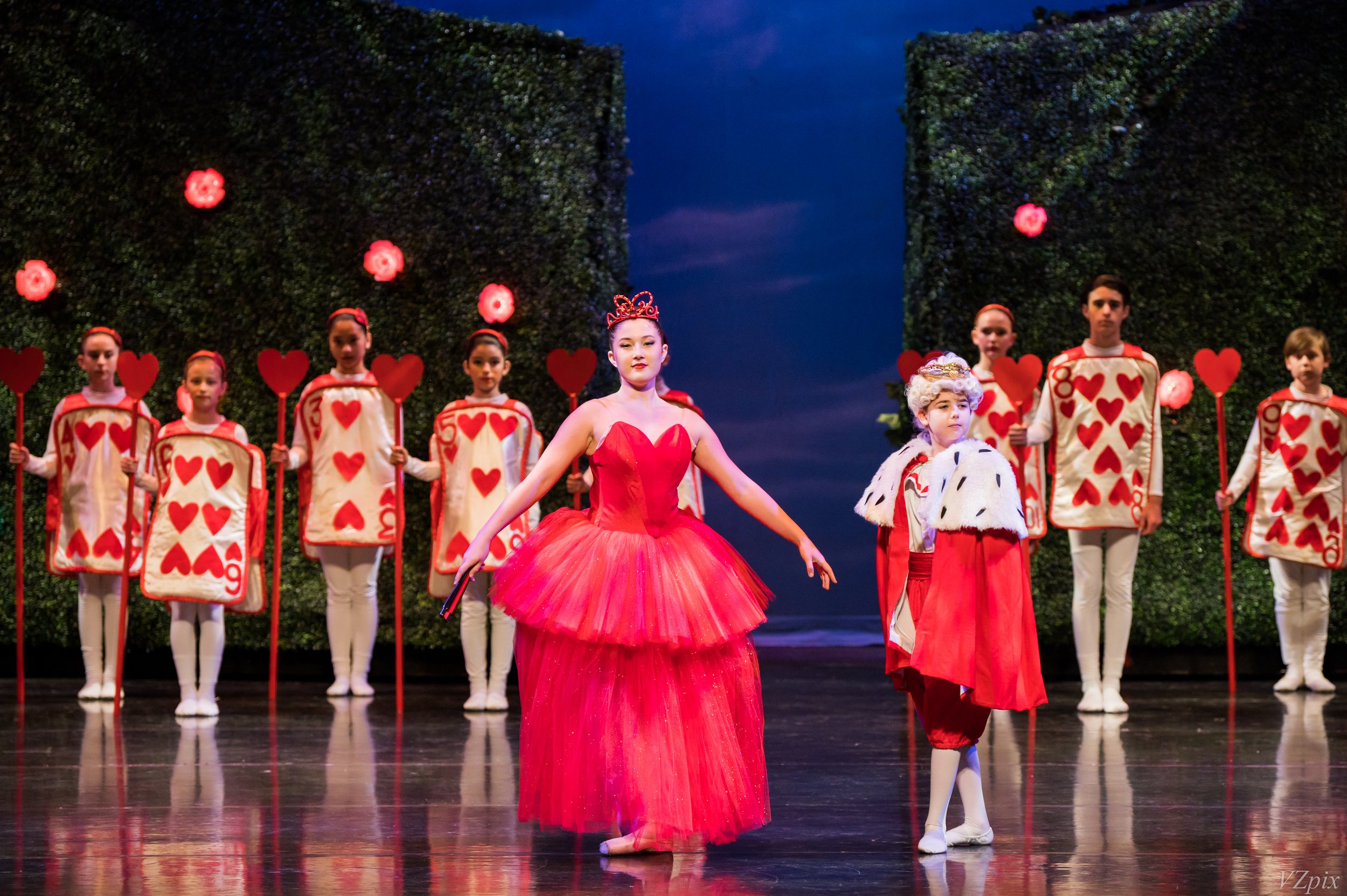
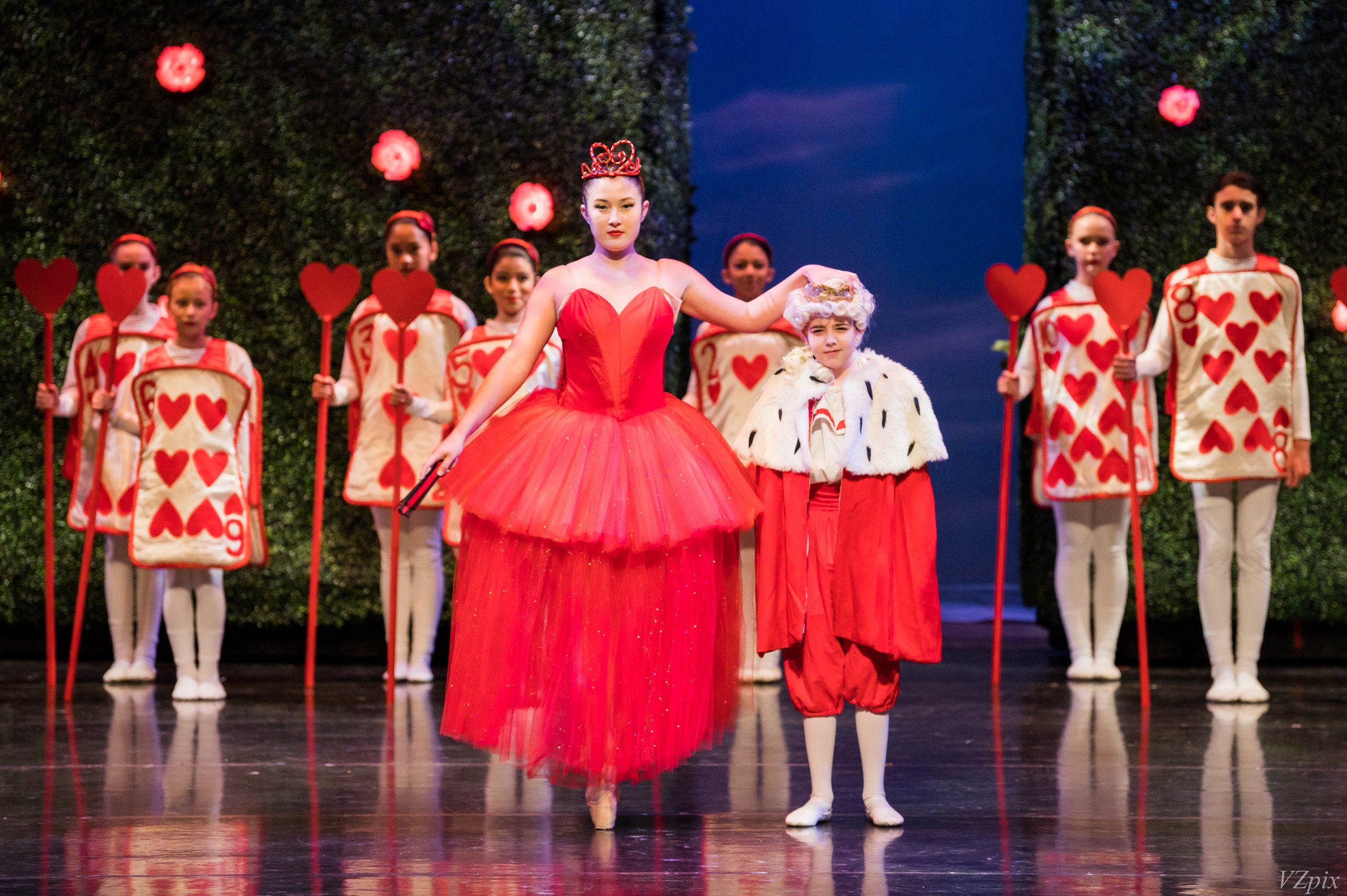
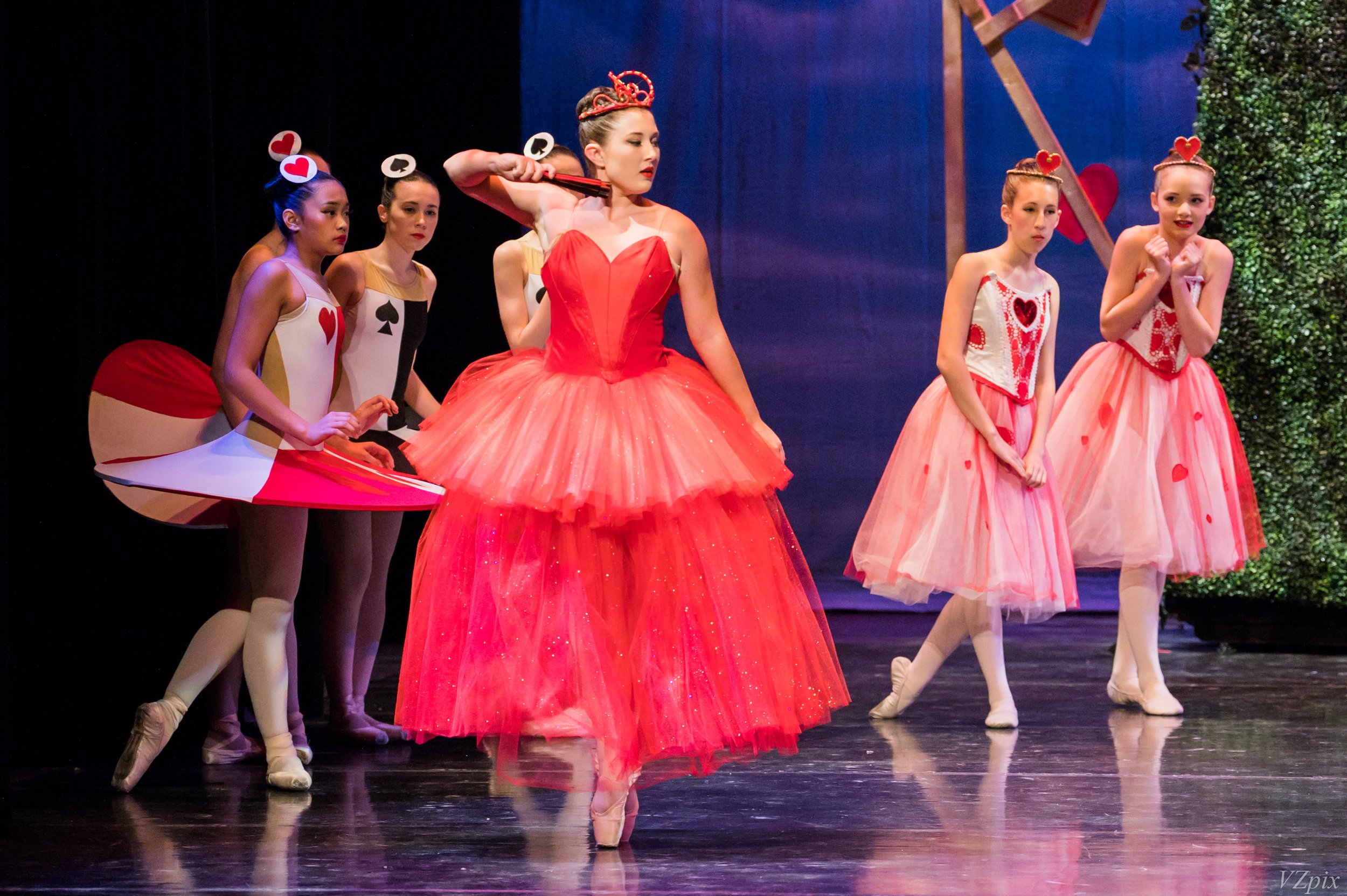
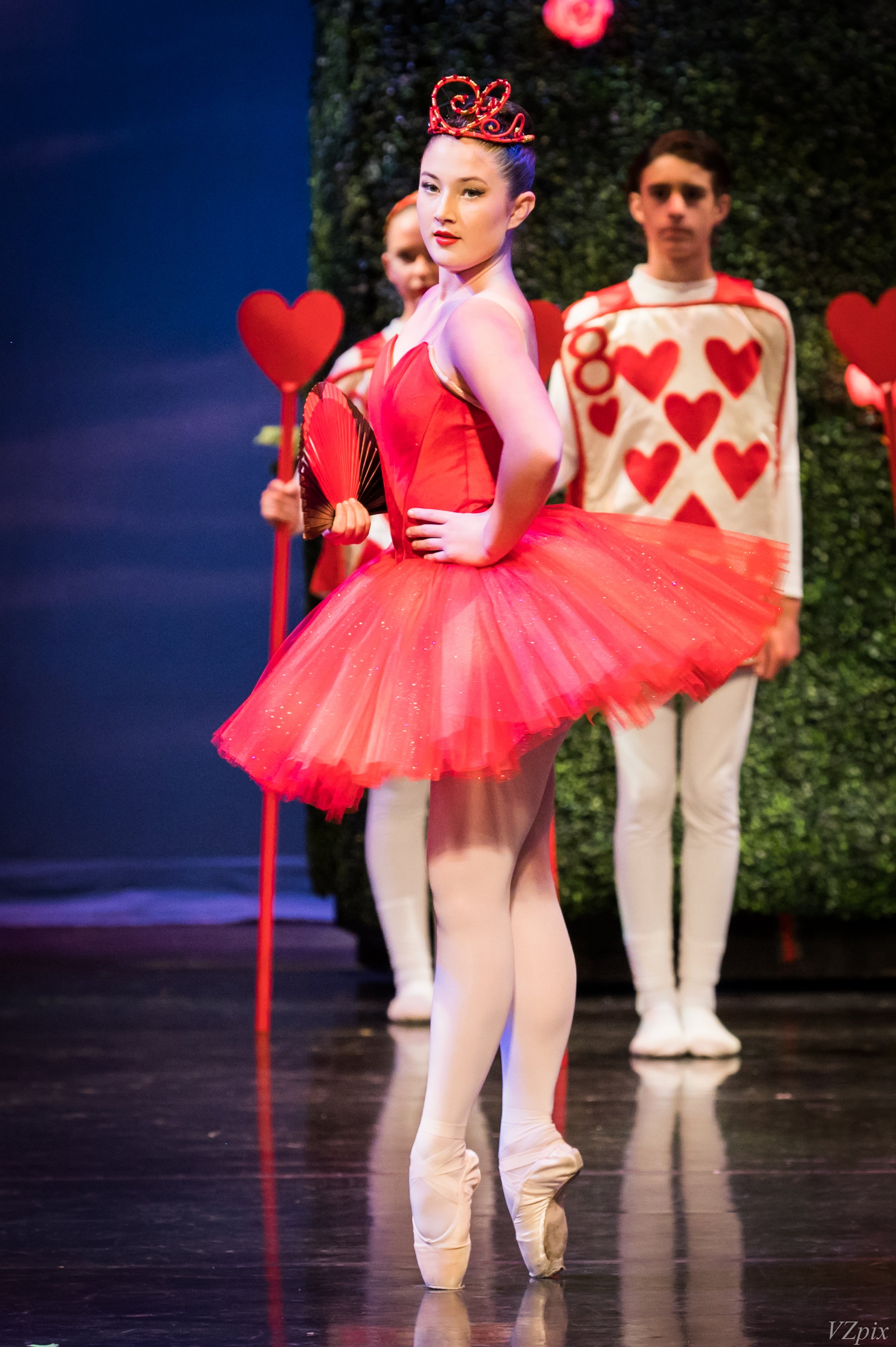
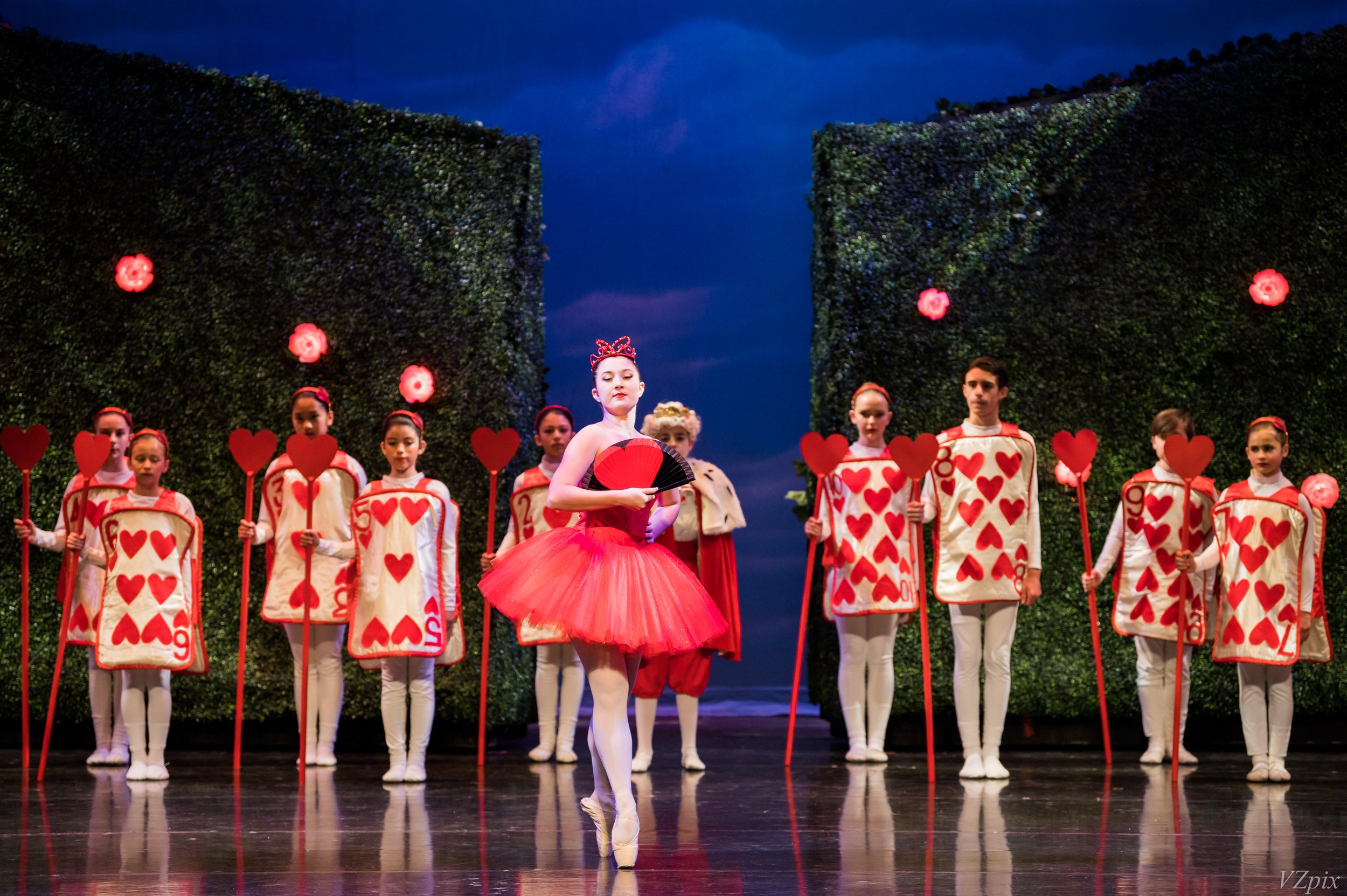
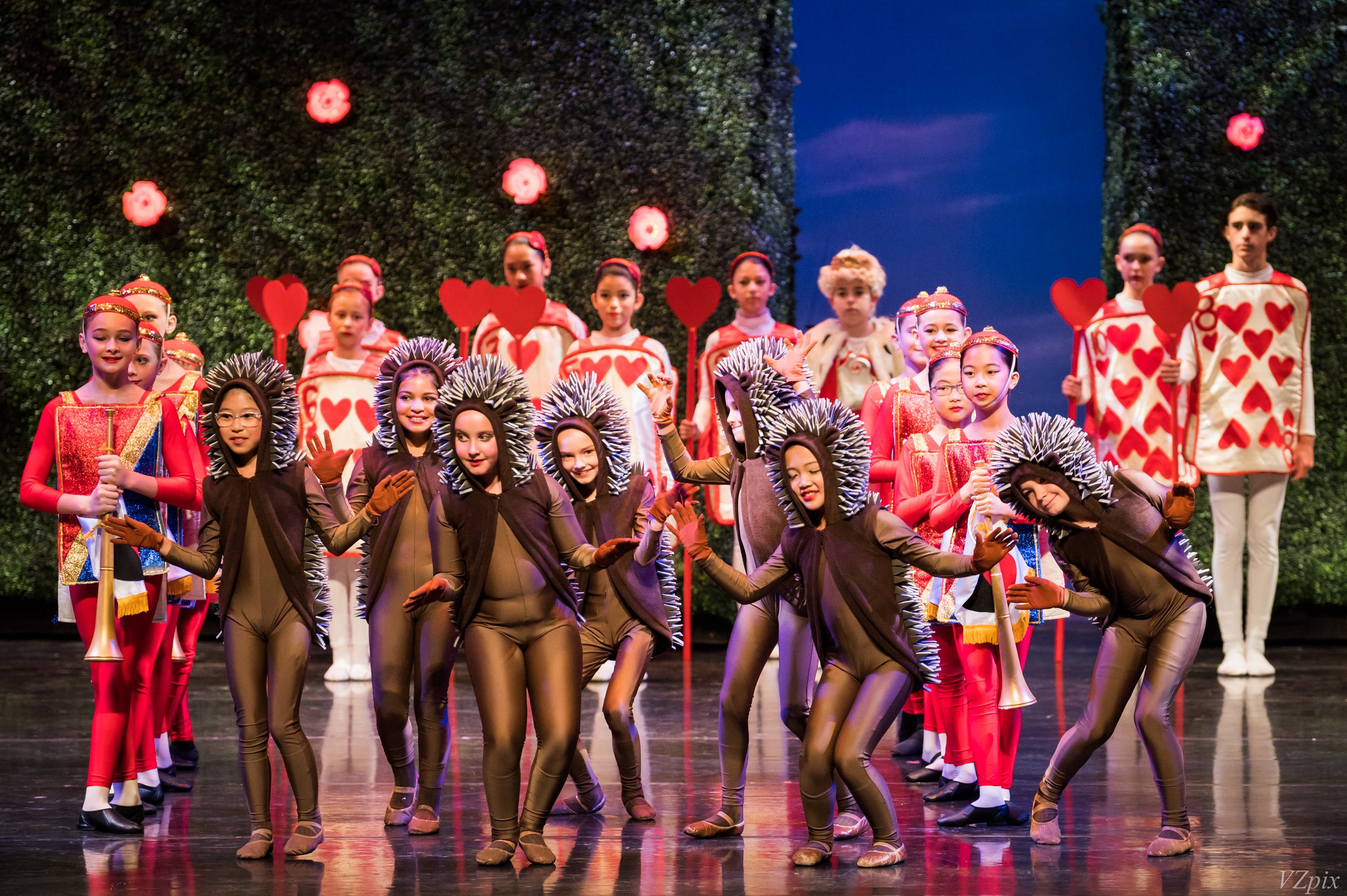
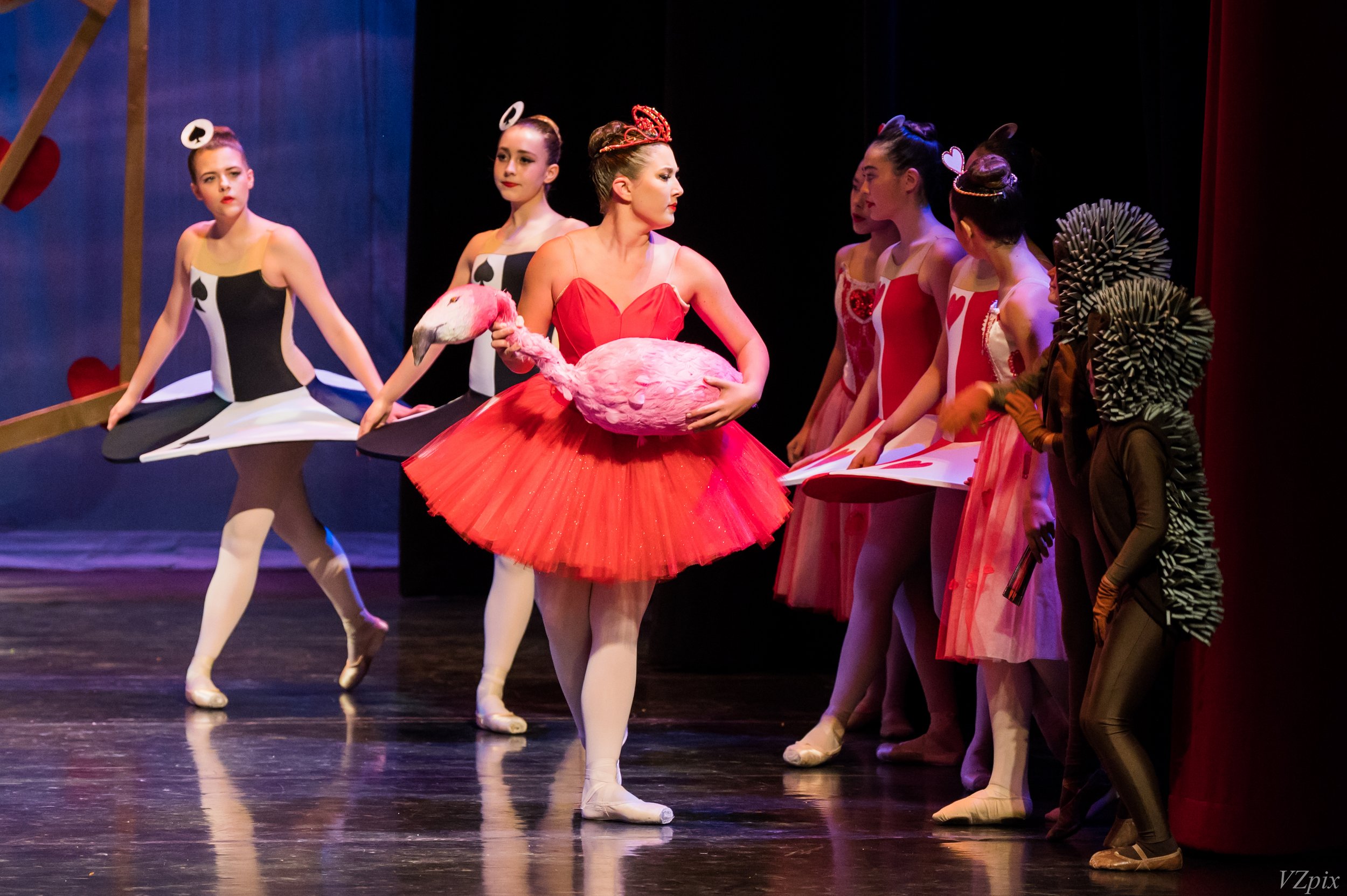
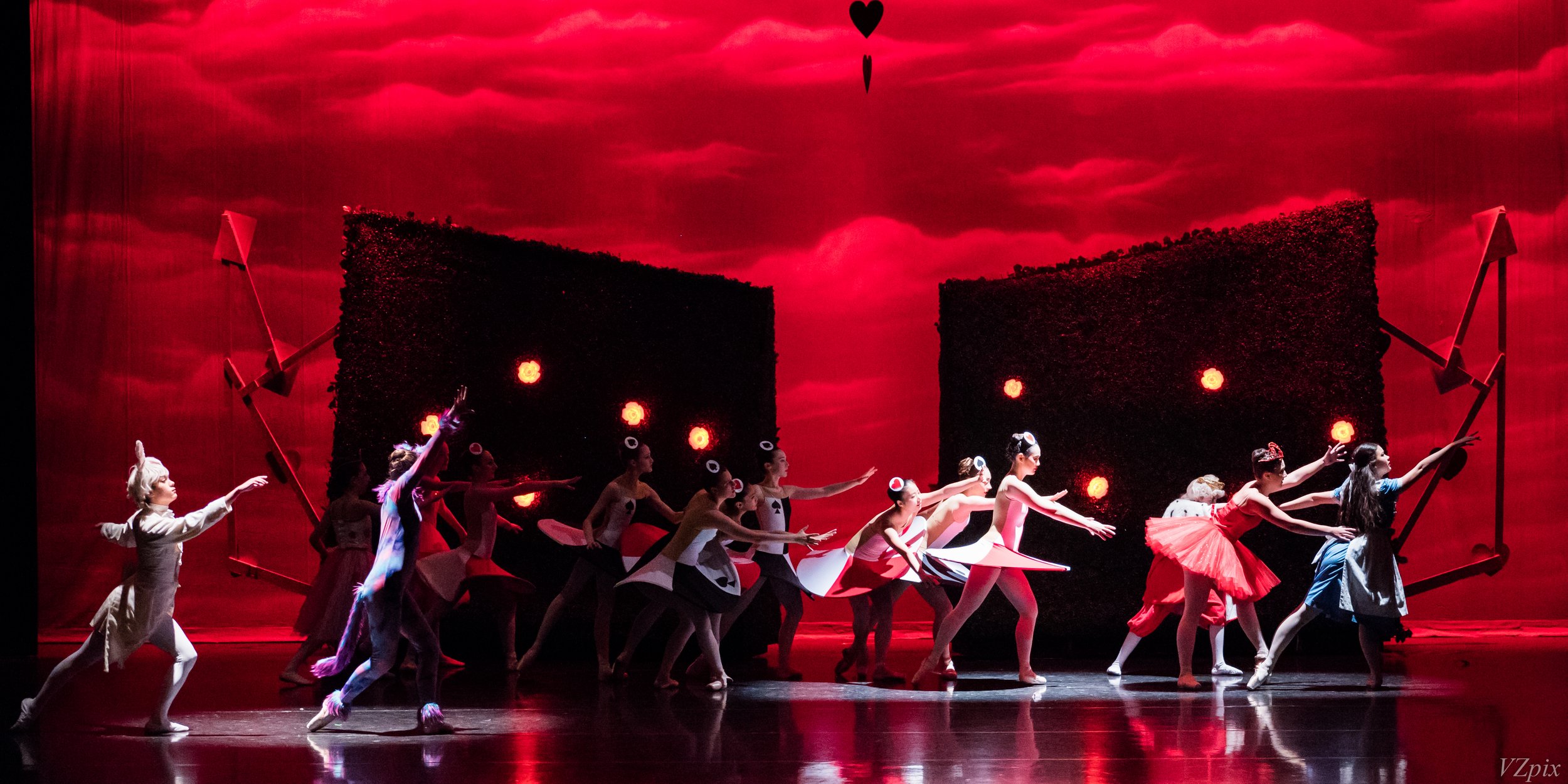
This ballet’s story follows Alice through Wonderland and the array of characters she meets. The ballet is the most modern of the three spring shows, with special effects, outlandish costumes, and fantastical scenery.
Alice in Wonderland choreography uses classical technique with modern twists and style to tell the often strange story of Alice’s journey through Wonderland.
Synopsis
Discussion with Artistic Directors
Were there any challenges in creating Alice in Wonderland?
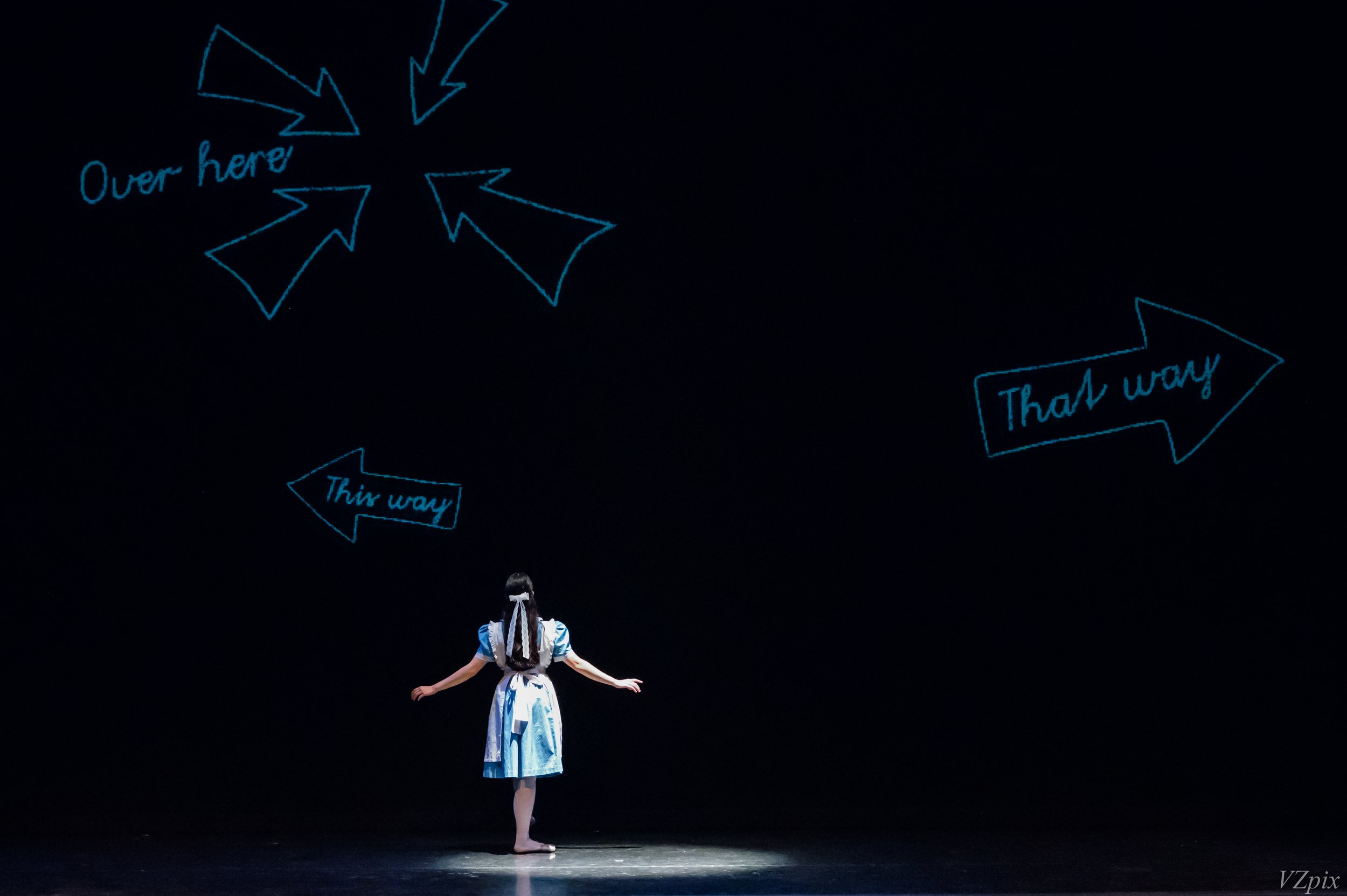
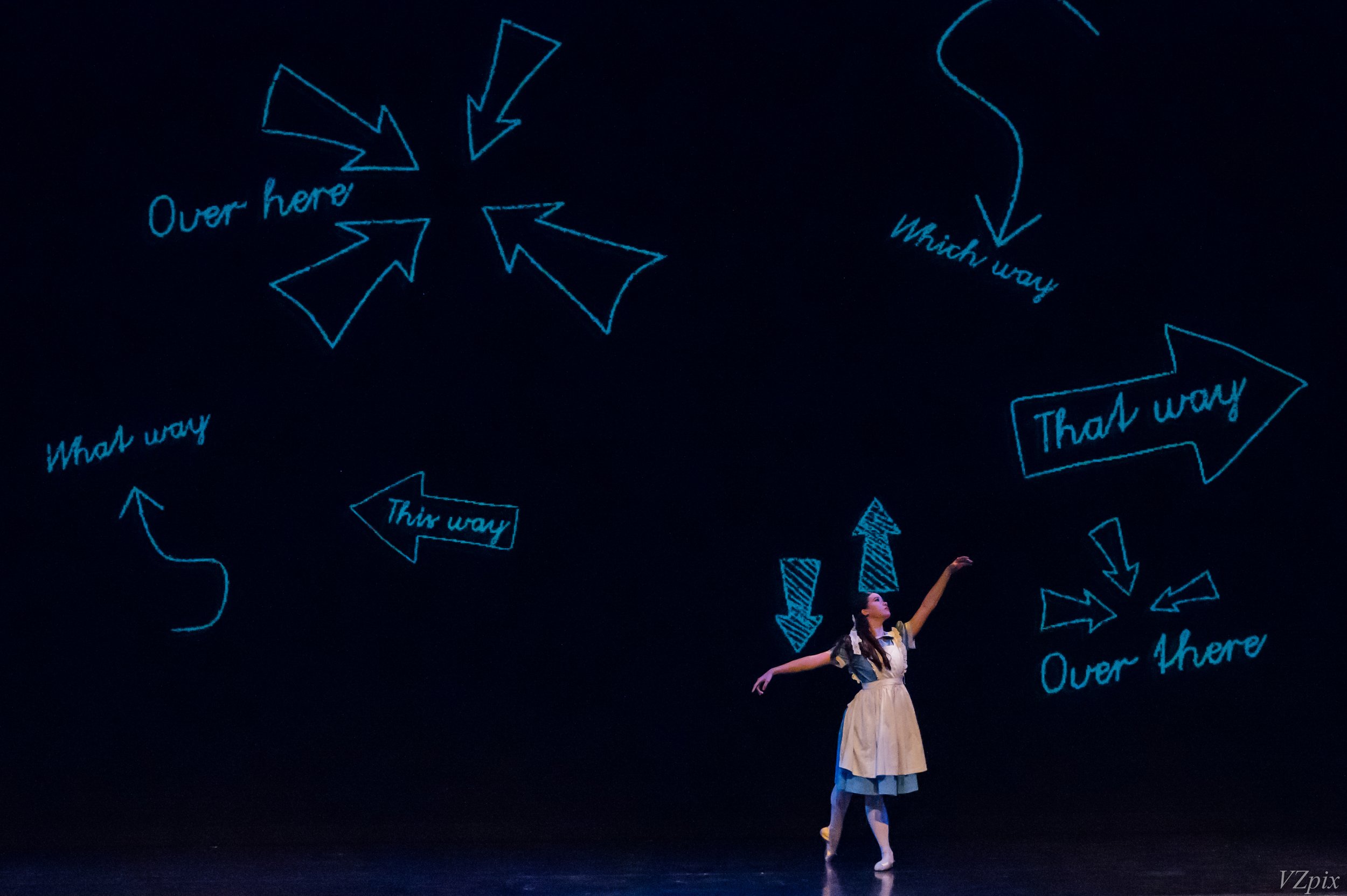
Alice in Wonderland presented many challenges, with the biggest hurdle being the size of the scenery and the production’s multiple technical aspects—projections, multiple large flying scenic pieces, and special effects. To that extent, Alice was by far the most technically challenging ballet we have created, so much so that we booked an extra day in the theater to allow us the time to make sure that it all worked. Even with this extra day, the show only came together shortly before the premiere performance.
Why was Alice in Wonderland selected for Southern California Ballet’s spring ballet repertoire?
Using the story of Alice in Wonderland for a brand new ballet allowed our imaginations to run free and create a ballet without the limitations of reality. It challenged us to think outside the box to create our very own wonderland. The result is fun, colorful and spectacular. Optical illusions make scenery grow and shrink, and the whimsical characters, many of whom are anthropomorphic, allow us to really get creative with designs.